



What Is Mumio (Shilajit): Composition, Forms and How to Choose

Mumio is one of the best-known natural supplements. Many people have heard of it, but far fewer know what it actually is. It is known by several names, including mumio, mumijo and shilajit. Here we explain what these names refer to, what mumio contains and what to look for when choosing a product.
What is mumio?
Mumio is a natural resin-like substance that is dark brown or almost black. It forms in mountainous areas over centuries from decomposed plant material and microorganisms and gradually seeps from cracks in the rock. It is commonly sourced from the Himalayas, Altai, Tibet and the Caucasus.
The name “shilajit” comes from Sanskrit and the substance has been used in the Indian Ayurvedic tradition for thousands of years. The word “mumio” is common in Russian, Estonian and several other languages. They refer to the same substance under different names.
What does mumio contain?
Mumio has a complex composition that varies according to its origin. Its main components include:
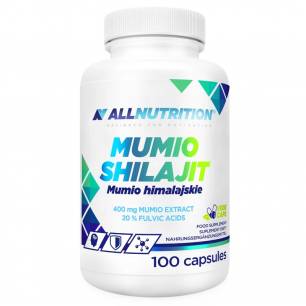
- Fulvic acids - one of the key components commonly used to assess product quality. Mumio extracts in supplements are often standardised to a specified percentage of fulvic acids, which should be stated on the label.
- Humic acids - organic substances formed during the decomposition of plant material.
- Minerals and trace elements - dozens of elements have been detected in mumio, although their amounts in a normal supplement serving are generally small.
- Other organic compounds, whose proportions vary depending on the source.
What forms of mumio are available?
- Resin or paste - the traditional form. A small amount is dissolved in warm water or another drink. It can be more difficult to measure accurately.
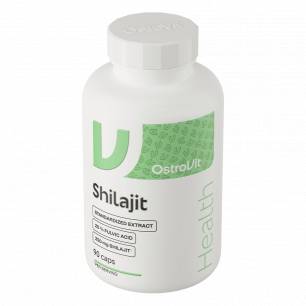
- Capsules and tablets - usually contain a purified and standardised extract. This is the most convenient format for precise dosing.
- Cosmetics containing mumio - creams and balms intended for external use. These are skincare products rather than food supplements.
Himalayan or Altai mumio?
Himalayan and Altai mumio differ in where they are sourced and therefore in composition. The proportions of fulvic acids, minerals and other compounds may vary. There is no clear evidence that one is inherently better than the other. Purification and standardisation are more important than the region of origin - check the fulvic acid content and whether the product has been tested for safety.
What does the research say?
Mumio has a long history of use in traditional medicine and it is also the subject of scientific research. However, most studies are still small and the available evidence is not sufficient for firm conclusions. There are no authorised EU health claims for mumio supplements. For that reason, we do not promise specific effects and instead focus on explaining what the substance is and how to choose a safer product.
Why purified mumio matters
Raw mumio is a natural material obtained from mountainous rock and may contain heavy metals, rock particles and microorganisms. Products intended for oral use should therefore be purified and come from reputable manufacturers. Avoid questionable raw mumio of unknown origin.
How to choose mumio: a short checklist
- Form. Capsules and tablets are convenient for precise dosing, while resin is the traditional format.
- Standardisation. Look for the percentage of fulvic acids on the label.
- Purification and manufacturer. Choose reputable brands that provide clear information about composition and quality.
- Intended use. Choose a food supplement for oral use and a mumio cosmetic for skincare. Do not confuse the two.
Speak to a doctor before using mumio, particularly during pregnancy, with chronic health conditions or if you take medication regularly. Short answers to common questions about mumio are available in the SportFit Help Centre.





Comments