



Omega-3: How to Choose a Supplement, EPA vs DHA and How Much to Take

An omega-3 supplement might say “1,000 mg” in large letters on the front, while the back lists EPA 180 mg and DHA 120 mg. Does that mean the capsule contains 1,000 mg of omega-3 or only 300 mg? This is one of the most common questions when choosing fish oil. Manufacturers may highlight the total weight of the oil, the overall omega-3 content or the amounts of individual fatty acids, so two similar-looking products can have very different formulations.
Let's explore what EPA and DHA are, how much omega-3 you need from your diet, how sources and forms of fish oil differ and how to read the label. The key is learning to compare the actual amounts of active components rather than relying on the largest numbers on the front of the packaging.
What Are Omega-3 Fatty Acids and Why Do We Need Them?
Omega-3s are a family of polyunsaturated fatty acids. The best-known members are alpha-linolenic acid (ALA), eicosapentaenoic acid (EPA) and docosahexaenoic acid (DHA).
ALA is found mainly in plant foods such as flaxseeds, chia seeds, walnuts and certain vegetable oils. EPA and DHA come primarily from oily fish, seafood and marine microalgae oils.
The body can convert some ALA into EPA and DHA, but this conversion is limited. Therefore, plant sources of ALA and foods providing ready-made EPA and DHA are not always equivalent.
EPA and DHA contribute to the normal function of the heart. The corresponding health claim is authorised in the European Union under specific conditions, with the beneficial effect associated with a combined daily intake of 250 mg of EPA and DHA.
EPA vs DHA: What Is the Difference?
EPA, or eicosapentaenoic acid, is a long-chain omega-3 fatty acid of marine origin.
DHA, or docosahexaenoic acid, is another long-chain omega-3 fatty acid. It forms part of cell membranes, including those in brain tissue and the retina.
In the European Union, separate health claims for DHA concerning the maintenance of normal brain function and normal vision are authorised when the relevant conditions are met. These claims refer to a beneficial effect with a daily intake of 250 mg of DHA.
When choosing an everyday supplement, it is useful to see both figures. Some products provide more EPA, while others contain more DHA. Listing them separately makes comparisons more accurate.
Why Doesn't 1,000 mg of Fish Oil Mean 1,000 mg of EPA and DHA?
This is the most important point when reading the label. “Fish Oil 1,000 mg” usually refers to the total weight of fish oil in the capsule, not the amount of EPA and DHA.
For example, a capsule may contain 1,000 mg of fish oil, including 180 mg of EPA and 120 mg of DHA. Together, they provide 300 mg. The remaining oil consists of other fatty acids and components.
Another capsule containing the same 1,000 mg of fish oil might provide 350 mg of EPA and 250 mg of DHA. Its combined EPA + DHA content would be 600 mg. These are illustrative examples of different concentrations, not standard compositions for every product.
Always add the EPA and DHA amounts together for the recommended serving. If a manufacturer lists the figures for two or three capsules, make sure you compare that serving size rather than an individual capsule.
How Much Omega-3 Should You Take Each Day?
There is no single universal omega-3 supplement dose for every adult. Individual requirements depend on dietary intake, personal circumstances and the reason for using a supplement.
The EU-authorised claim relating to normal heart function refers to a combined daily intake of 250 mg of EPA and DHA. This includes amounts obtained through food and supplements; it does not mean everyone must take a capsule.
If you regularly eat oily fish, you may obtain some or all of your EPA and DHA through your diet. If you rarely eat fish, you may consider other food sources or a suitable supplement.
High doses of omega-3 used in certain medical settings should not be confused with routine supplementation. Do not independently increase your EPA and DHA intake to several grams a day.
Always check the recommended daily serving and directions for the specific product.
Regular or Concentrated Fish Oil: Which Is Better?
Concentrated fish oil contains more EPA and DHA relative to the same weight of oil. For example, two capsules may each contain 1,000 mg of fish oil but differ twofold in their EPA and DHA content.
A more concentrated supplement may provide a comparable amount of EPA and DHA in fewer capsules. However, a higher concentration does not automatically mean a higher-quality product.
Compare the EPA + DHA content per daily serving, the oil's origin, additional ingredients, directions and the actual cost per amount of EPA and DHA.
Triglycerides or Ethyl Esters: Does the Form Matter?
Omega-3 fatty acids in fish oil come in different chemical forms, including triglycerides, re-esterified triglycerides and ethyl esters.
These forms can differ in absorption in some studies. However, findings depend on how they are taken and the composition of meals, while the long-term clinical importance of these differences is not always clear.
That is why abbreviations such as TG, rTG and EE should not be the sole deciding factor. For most shoppers, clear EPA and DHA labelling, a suitable serving and reliable quality information are more useful.
Fish Oil, Krill Oil or Algae-Based Omega-3?
Fish oil is a common source of EPA and DHA. Concentrations depend on the raw materials and manufacturing process.
Krill oil also contains EPA and DHA, although the amounts per capsule and their ratio may differ from fish oil. People with crustacean allergies should pay particular attention to the source and allergen information.
Microalgae oil is a fish-free marine source, often used in vegan supplements. Some formulations mainly supply DHA, while others provide both DHA and EPA.
If you avoid fish, check the actual DHA and EPA content per serving as well as the vegan label.
When Should You Take Omega-3: Morning or Evening?
For ordinary omega-3 supplements, the exact time of day is not particularly important. Following the manufacturer's directions and taking the product consistently, where appropriate, matter more.
Many people find it convenient to take capsules with a main meal containing some fat. This may support fatty acid absorption and reduce unpleasant effects such as fishy burps.
If a large serving causes discomfort, check whether the directions allow the daily amount to be divided into smaller servings. Do not increase the recommended intake yourself.
How Can You Assess Omega-3 Quality?
Fish oil quality involves more than EPA and DHA concentration. Freshness, storage conditions, oxidation and contaminant testing also matter.
- Clear labelling. EPA, DHA and serving size are stated separately.
- Source of raw materials. The manufacturer identifies fish, krill or microalgae as the source.
- Quality control information. Independent testing or available batch verification adds confidence.
- Storage instructions. Follow the manufacturer's recommendations and avoid excessive heat and light.
- Expiry date. Do not use a product past its expiry date.
- Added vitamins. With formulas containing vitamins A, D, E and K, consider the amounts received from other supplements.
Terms such as “premium”, “highly purified” or “molecularly distilled” are not substitutes for information on composition and quality control.
How to Choose Omega-3 at SportFit.ee
The Omega-3 category at SportFit.ee includes fish oil supplements with different concentrations as well as multi-ingredient products.
To choose a supplement, answer four questions:
- How much EPA and DHA is provided per capsule and per recommended daily serving?
- How many capsules are needed to obtain the stated amount of fatty acids?
- Does the formula contain additional vitamins, flavourings or other ingredients?
- Does the product fit your diet, personal restrictions and budget?
Compare ordinary fish oil capsules and vitamin-containing formulas particularly carefully. Products with similar names can have substantially different ingredients and directions.
Frequently Asked Questions
Can You Take Omega-3 Every Day?
Yes, if this matches the specific product instructions and your individual needs. However, a daily supplement is not essential for everyone. Consider the EPA and DHA you already get from food.
If I Eat Fish Twice a Week, Do I Need Omega-3 Supplements?
It depends on the type of fish, portion sizes and your overall diet. Oily fish generally provides more EPA and DHA than lean fish. If dietary intake is adequate, you may not need a separate supplement.
Which Is Better: Omega-3 or Omega-3-6-9?
These products have different compositions. Omega-6 and omega-9 fatty acids are commonly obtained from everyday vegetable oils and other foods. If your aim is to increase EPA and DHA intake, focus on those amounts rather than the overall blend name.
Do I Need a High-Concentration Omega-3 Supplement?
No. Higher concentrations provide more EPA and DHA from less oil, but the right choice also depends on serving size, quality, tolerance and cost.
Can I Take Omega-3 with Vitamin D?
Such combinations are available, but it is important to consider your total vitamin D intake. If you use a vitamin-containing formula, check the ingredients of any other supplements you take.
Are There Any Precautions for Omega-3 Supplements?
Speak to a doctor before use if you take anticoagulants, have a heart rhythm disorder or another medical condition, are pregnant or have other relevant health concerns. Check ingredient sources carefully if you have a fish or seafood allergy.
Can You Judge Fish Oil Quality by Its Smell?
A strong unpleasant smell may be a reason not to use the product, but the absence of a noticeable smell does not guarantee that it is free from oxidation or contaminants. Storage conditions, expiry dates and verified quality controls are more reliable indicators.
Related products

Super Omega 3 Forte, 120 soft gel
€20.89 View product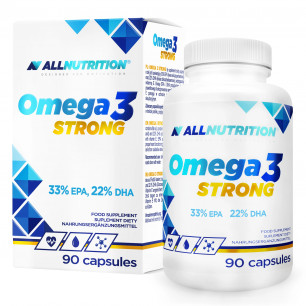
OMEGA 3 STRONG, 90 capsules
€12.90 View product
SUPER OMEGA-3 - 120 capules
€17.96 View product
ADEK + Omega 3 Strong Vitamin and Omega-3 Complex - 90 Capsules
€14.10 View product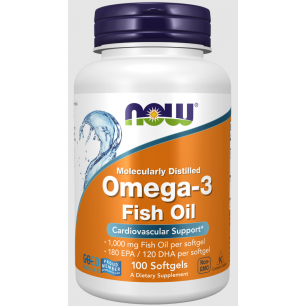
Omega-3 Fish Oil, Molecularly Distilled - 100 softgels
€16.90 View product
Omega 3 PLUS, 120 capsules
€28.95 View productWas this article helpful?
Read also

Cold Protein Recipes for Hot Weather: Smoothies, Ice Cream and No Added Sugar Ice Lollies

Training in Hot Weather: How to Avoid Overheating and Maintain Your Progress

How to Get Back into Training After Summer: Checklist and Supplements for a Fresh Start

Comments