



Omega-3
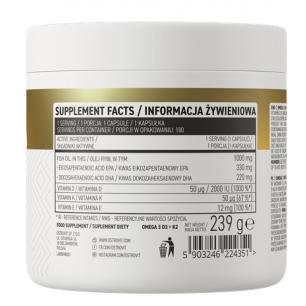
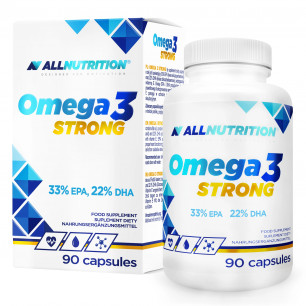
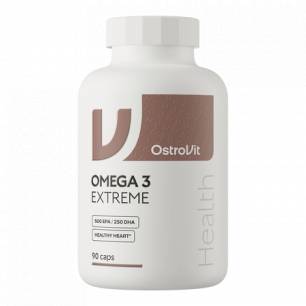
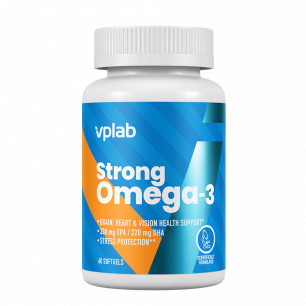
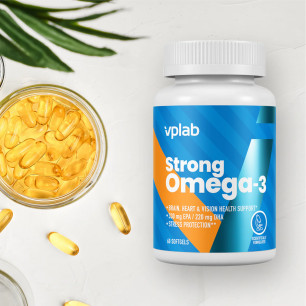
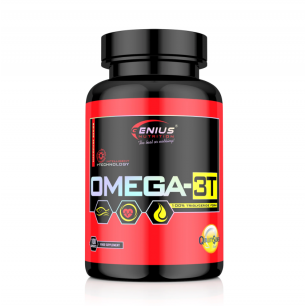
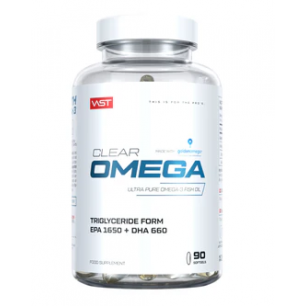
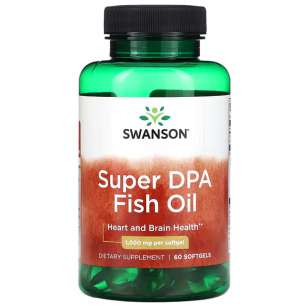
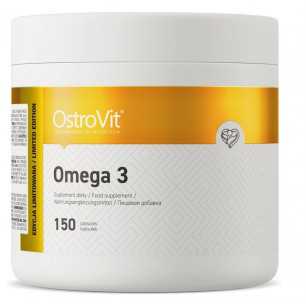
Omega-3 - fish oil capsules containing EPA and DHA fatty acids from NOW Foods, OstroVit, AllNutrition, TREC Nutrition, Swanson, NUTREND and other brands. The range includes standard and concentrated formulas, enteric-coated capsules, combinations with vitamins D3 and K2 and chewable products. Compare the amount of EPA and DHA per daily serving. Delivery across Estonia, Latvia, Lithuania, Finland and other EU countries.
32 products









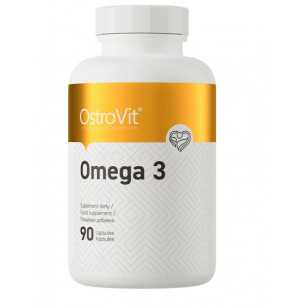
What is omega-3 and how do EPA, DHA and ALA differ?
Omega-3 is a group of polyunsaturated fatty acids that the body does not produce in sufficient amounts and obtains through food or supplements. The three main forms are ALA (flaxseed oil, chia seeds and walnuts), EPA and DHA (oily marine fish, fish oil and algae oil). Plant-based ALA is converted to EPA and DHA only to a limited extent, which is why fish oil supplements are usually compared by their EPA and DHA content.
At a glance
- Omega-3 and fish oil are not the same thing: fish oil is a source, while EPA and DHA are fatty acids contained within it.
- A “1000 mg” statement on the pack usually refers to the amount of fish oil rather than the amount of omega-3. In the example below, 1000 mg of fish oil provides 300 mg of EPA and DHA.
- Compare EPA and DHA per daily serving rather than capsule weight or marketing names such as Ultra, Extreme, Strong, Forte or Plus.
- Omega-3 may affect medicines that influence blood clotting. Seek medical advice if you use these medicines, before surgery or when considering high doses.
How to read the label: an EPA and DHA calculation example
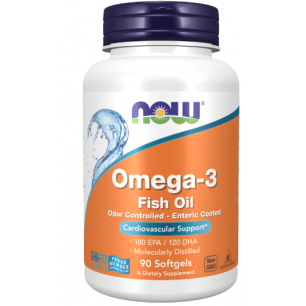
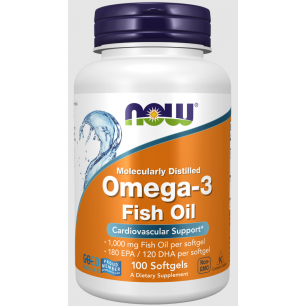
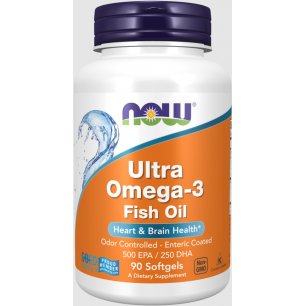
As an example, consider NOW Foods Omega-3 enteric-coated softgels (90 softgels). The figures are taken from the product information.
| Item | Amount |
|---|---|
| Serving size | 1 softgel |
| Fish oil per softgel | 1000 mg |
| EPA per softgel | 180 mg |
| DHA per softgel | 120 mg |
| EPA + DHA per softgel | 300 mg (about 30% of the fish oil weight) |
| Manufacturer's directions | 2 softgels daily with food |
| EPA + DHA in 2 softgels | 600 mg (360 mg EPA + 240 mg DHA) |
| 90-softgel pack lasts | 45 days at 2 softgels per day |
Conclusion: “1000 mg fish oil” in this example provides 300 mg of EPA and DHA per softgel. A concentration of around 30% is common in non-concentrated fish oil, while concentrated formulas may provide a higher proportion. To compare products, calculate total EPA and DHA in the manufacturer's recommended daily serving.
What does “250 mg EPA and DHA” mean in health claims?
In the EU, EPA and DHA may carry the authorised claim that they contribute to the normal function of the heart when the daily intake provides at least 250 mg of EPA and DHA. DHA may separately carry authorised claims relating to maintenance of normal brain function and normal vision when the daily intake provides at least 250 mg DHA. These thresholds define the conditions for use of the claims and are not personalised dosage recommendations.
Enteric-coated omega-3 capsules
Enteric coated refers to a capsule coating designed to dissolve in the intestine rather than the stomach. Manufacturers such as NOW Foods offer this format for people who experience nausea, reflux or a fishy aftertaste from conventional fish oil; individual tolerance varies. The coating does not change the amount of EPA and DHA in the serving.
In the example above, the capsule shell contains bovine gelatine and the product contains fish including anchovies, sardines and tuna, so it is not suitable for people with fish allergy or for vegetarians.
Which omega-3 formats are available?
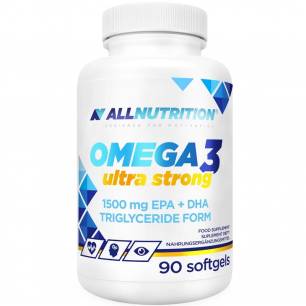
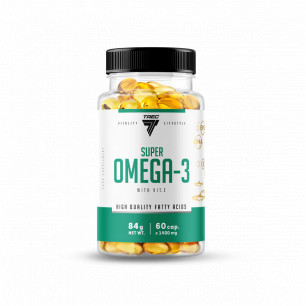
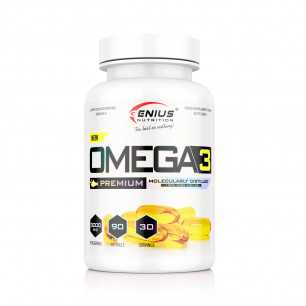
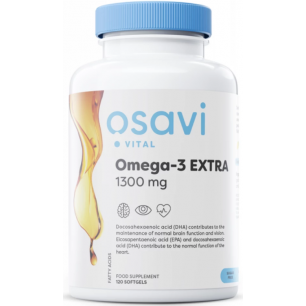
- Fish oil softgels - the main format from brands including NOW Foods, OstroVit, AllNutrition, TREC Nutrition, SELF Omninutrition, Swanson and NUTREND.
- Ultra, Extreme, Strong, Forte and Plus formulas - these names reflect manufacturer positioning and do not define a standard concentration.
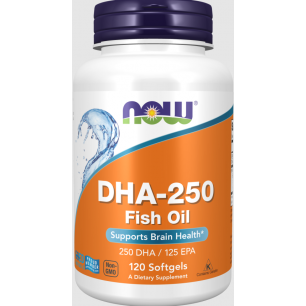
- DHA-focused formulas - for example NOW DHA-250.
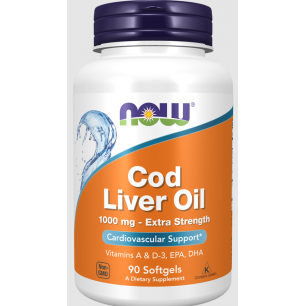
- Cod liver oil - generally contains naturally occurring fat-soluble vitamins A and D.
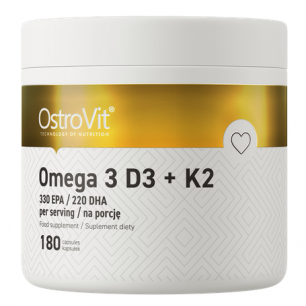
- Vitamin combinations - Omega 3 D3+K2 by OstroVit and ADEK + Omega 3 Strong by AllNutrition.
- Chewable products - an option for people who find capsules difficult to swallow.
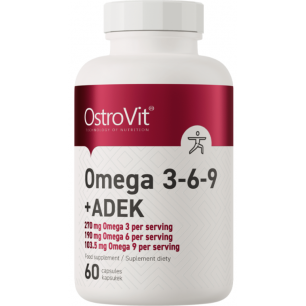
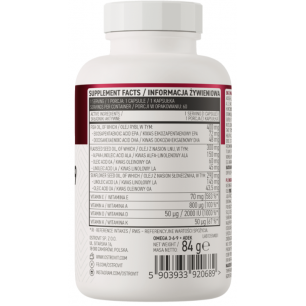
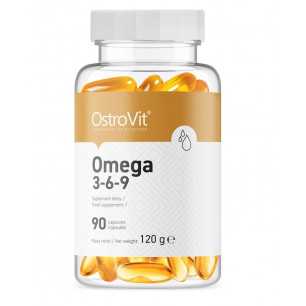
- Omega 3-6-9 - also contains omega-6 and omega-9; check EPA and DHA separately to assess the omega-3 contribution.
Omega-3 with vitamin D, K2 and other supplements
Vitamin D is fat-soluble and is often taken with food or supplements containing fat. If you choose a product containing D3, K2 or ADEK vitamins, check your total intake of fat-soluble vitamins from all supplements to avoid unnecessary duplication. Separate products are available in the Vitamin D category. Vitamin K affects blood clotting, so combinations containing it should be discussed with a doctor if you use anticoagulants.
Who should be cautious?
- Fish or seafood allergy.
- Use of anticoagulants or antiplatelet medicines, including aspirin, or existing bleeding disorders.
- Preparation for surgery or a dental procedure.
- Liver or gallbladder conditions and acute gastrointestinal problems.
- Heart rhythm disorders and high doses of omega-3.
- Pregnancy and breastfeeding.
Omega-3 delivery
Orders are delivered to Estonia, Latvia, Lithuania, Finland and other EU countries. Delivery to Estonia, Latvia and Lithuania takes 2-3 working days, with free delivery from €50. Delivery to Finland takes 2-3 working days, with free delivery from €70. Delivery to other EU countries takes 3-5 working days. Current rates and carriers are listed on the shipping page.
Frequently asked questions about omega-3
Are omega-3 and fish oil the same thing?
No. Fish oil is the product or source, while omega-3 fatty acids such as EPA and DHA are components of that oil. Standard fish oil often contains around 30% EPA and DHA by weight, so it is important to check the actual EPA and DHA values rather than fish oil weight alone.
How much EPA and DHA is in a 1000 mg fish oil capsule?
It depends on the product. For example, one NOW Foods Omega-3 softgel contains 1000 mg fish oil, including 180 mg EPA and 120 mg DHA, for a total of 300 mg. Concentrated products may provide a higher proportion.
What does an enteric coating mean on omega-3 capsules?
It is a coating designed to dissolve in the intestine rather than the stomach. Manufacturers offer these capsules for people who experience nausea or reflux with standard fish oil, although individual tolerance varies. The coating does not increase EPA or DHA content.
When should omega-3 be taken - morning or evening?
The time of day is generally less important than following the individual product directions. Many manufacturers recommend taking fish oil with food. The daily serving may sometimes be divided between meals if the product directions allow it.
Can omega-3 be taken together with vitamin D?
Yes, they are often used together. If you choose a combination containing D3, K2 or ADEK vitamins, check your total intake of fat-soluble vitamins from all supplements and seek medical advice if you take anticoagulants.
Who should not take omega-3 without medical advice?
Caution is advised for people with fish or seafood allergy, those taking anticoagulants or antiplatelet medicines, people with bleeding disorders, those preparing for surgery, people with liver or gallbladder disease or heart rhythm disorders, and during pregnancy or breastfeeding.
Can I order omega-3 with delivery to Finland?
Yes. SportFit delivers to Finland in 2-3 working days, with free delivery from €70. Free delivery to Estonia, Latvia and Lithuania is available from €50. Current rates and carriers are listed on the shipping page.
This information is for general reference and is not medical advice. It does not replace consultation with a doctor, particularly when taking anticoagulants, during pregnancy or in cases of liver or gallbladder disease.