



Training in Hot Weather: How to Avoid Overheating and Maintain Your Progress

Hot days are no reason to stop training altogether, but they are a good reason to reconsider your usual approach to exercise. Some people give up sport until autumn when temperatures rise, while others continue training at their usual pace and wonder why their progress stalls and they start feeling worse. The answer usually lies somewhere in between: exercising in hot weather can be both possible and beneficial if you understand how high temperatures affect your body and adjust your training plan in good time.
Can You Exercise in Hot Weather?
Yes, you can. The body is capable of adapting to exercise in warm conditions, provided you increase your exposure gradually and avoid sudden experiments on the hottest days. The question is not whether to train, but how to reduce the risk of overheating while maintaining the quality of your workout.
However, extra caution is needed in certain situations:
- air temperatures above 28–30 °C combined with high humidity;
- direct sunlight and an exposed outdoor training area without shade during midday hours;
- a poorly ventilated gym without air conditioning;
- feeling unwell, lack of sleep or mild illness before a workout.
In these conditions, it is better to move your workout to a cooler time of day or reduce the intensity rather than try to complete your training plan at any cost.
What Happens to Your Body When Exercising in the Heat?
During exercise, your muscles generate heat, and your body normally cools itself through sweating. In hot weather, this cooling mechanism has to work harder: the heart pumps more blood towards the skin to release heat, while the muscles still require oxygen and nutrients. As a result, your heart rate rises faster than usual, even at the same exercise intensity, and you may start feeling tired sooner.
Along with water, the body also loses electrolytes through sweat, including sodium, potassium and magnesium. This is why fatigue, muscle cramps and reduced endurance in hot weather may be linked not only to dehydration but also to the loss of minerals involved in muscle function and nerve signalling.
How to Avoid Overheating in the Sun and During Exercise
A few basic principles can help reduce the risk of overheating and make your workout less stressful for your body:
- Choose a cooler time of day. Early morning or late evening is preferable, as the hottest period and strongest sunlight usually occur between approximately 12 noon and 4 pm.
- Dress for the weather. Lightweight, light-coloured and breathable moisture-wicking synthetic fabrics generally work better than heavy cotton.
- Wear a hat and use sun protection during outdoor activities lasting longer than 20–30 minutes.
- Allow time to adapt. If you are not used to exercising in the heat, gradually increase the duration and intensity of your workouts over one to two weeks.
- Pay attention to hydration before, during and after exercise, rather than waiting until you feel thirsty, as thirst may indicate that dehydration has already begun.
- Choose shade or a well-ventilated indoor space whenever possible instead of exercising in direct sunlight.
Hydration and Electrolytes: What Should You Consider?
For short and relatively low-intensity workouts, water is usually sufficient. However, if a workout lasts longer than 45–60 minutes, takes place in direct sunlight or involves heavy sweating, water alone may not be enough. Electrolytes are also lost through sweat and may need to be replaced.
This is where isotonic drinks and electrolyte powders or tablets dissolved in water can help. They support sodium and potassium balance, reduce the risk of muscle cramps and help maintain exercise performance for longer. After prolonged or intense exercise in hot weather, you may also consider BCAA and EAA amino acids, which may support muscles during increased physical demands.
Strength Training in Hot Weather: What Changes?
Strength training in hot weather places different demands on your body compared with exercising in cooler conditions, even when you lift the same weights. Your heart rate rises more quickly, recovery between sets takes longer and fatigue may appear earlier than usual.
What should you adjust?
- On particularly hot days, reduce your overall training volume or intensity and avoid chasing personal bests.
- Increase your rest periods between sets.
- Pay extra attention to warming up. Muscles warm up more quickly in the heat, but fatigue and overexertion can also develop sooner.
- Drink water in small amounts between sets rather than only at the beginning and end of your workout.
- After strength training in hot weather, focus on recovery by getting enough protein, water and electrolytes.
If your gym is poorly ventilated, consider scheduling strength workouts in the morning or evening, when temperatures are lower.
How Can You Tell If You Are Overheating?
It is important to recognise the difference between normal exercise fatigue and signs of overheating. Be alert if you experience any of the following symptoms while training in the heat:
- a severe headache or dizziness;
- nausea or confusion;
- an unusually rapid heartbeat that does not match your level of exertion;
- sudden weakness or heavy, unsteady legs;
- stopping sweating despite the heat.
At the first signs of overheating, stop exercising immediately, move into the shade or a cool indoor space, remove excess clothing and gradually restore your fluid balance by taking small sips of water. If your condition does not improve within 15–20 minutes, or if confusion or fainting occurs, seek medical assistance.
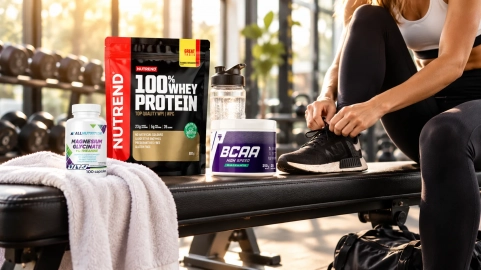
What to Take to a Workout in Hot Weather
Here is a short checklist for exercising outdoors or at the gym:
- enough water;
- electrolytes or a ready-to-drink isotonic beverage if your workout lasts longer than 45–60 minutes;
- a lightweight towel;
- a hat and sunscreen for outdoor workouts;
- lightweight spare clothing;
- BCAA or EAA if you are planning a long or high-intensity workout.
At SportFit.ee, you can find electrolytes, isotonic drinks and BCAA/EAA amino acids for different types of exercise, from a short run to a strength training session on a hot day.
Frequently Asked Questions
Can You Exercise Every Day in Hot Weather?
Yes, provided you reduce the intensity on particularly hot days and pay attention to how you feel. You do not necessarily need to stop training altogether. The important thing is to adjust your workload and hydration routine.
How Much Water Should You Drink During Exercise in Hot Weather?
There is no universal amount. Consider the duration and intensity of your workout and how you feel. Drink small amounts regularly rather than consuming large quantities all at once.
Do You Need Electrolytes for a Short Workout?
For short, easy workouts, water is usually enough. Electrolytes become more relevant during long, intense or particularly sweaty training sessions.
Is It Better to Exercise in the Morning or Evening During Hot Weather?
Both options can work well. The most important thing is to avoid the hours of strongest sunlight, roughly between midday and 4 pm, especially when training outdoors.
What Should You Do If You Feel Dizzy During a Workout?
Stop exercising immediately, move into the shade or a cooler area, remove excess clothing and sip water slowly. If your condition does not improve, seek medical assistance.
Related products
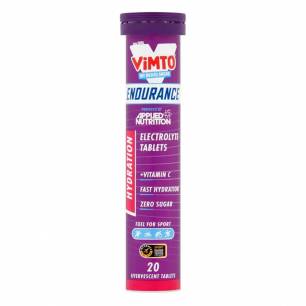
Endurance Hydration Electrolyte, Vimto - 20 effervescent tablets
€10.50 View product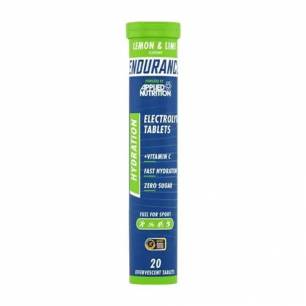
Endurance Hydration Electrolyte, Lemon & Lime - 20 effervescent tablets
€10.50 View product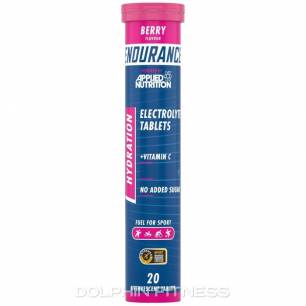
Endurance Hydration Electrolyte, Berry, 20 effervescent tablets
€10.50 View product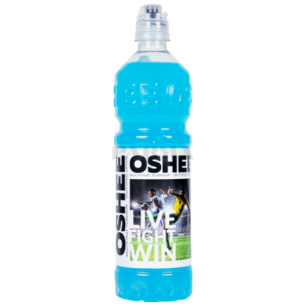
Isotonic Drink, multifruit - 750 ml
€1.50 View product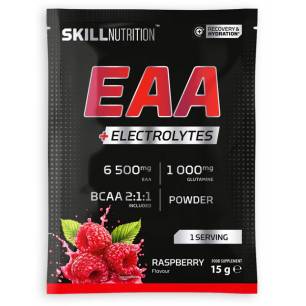

Comments