



Cold Protein Recipes for Hot Weather: Smoothies, Ice Cream and No Added Sugar Ice Lollies

When the weather is hot, the last thing you want to do is stand over a cooker, but that does not mean you have to give up your usual protein intake. Cold protein recipes offer two benefits at once: they refresh you on a hot day and help you meet your protein needs without unnecessary added sugar. Smoothies, ice cream and fruit ice lollies take just a few minutes to prepare, require no oven and are easy to adapt using ingredients you already have at home.
Below are three simple recipes for hot weather, along with practical tips on choosing protein powder for cold desserts, replacing ingredients and storing your homemade treats in the freezer.
Why Are Protein Recipes a Good Choice for Hot Weather?
Appetite often decreases on hot days, and lighter, colder foods become more appealing. The problem is that typical summer treats, such as ice cream, lemonade and shop-bought smoothies, are often high in sugar and contain very little protein, so hunger may return quickly.
Cold protein recipes offer a different approach:
- they help you feel fuller thanks to protein rather than relying only on sugar;
- they can help support your muscles after exercising on a hot day;
- they are refreshing thanks to ice, frozen fruit and their chilled texture;
- they can be made without added sugar by using sugar-free syrups and chocolate instead of regular alternatives.
What Do You Need for Cold Protein Recipes?
These basic ingredients are enough to prepare most cold protein recipes:
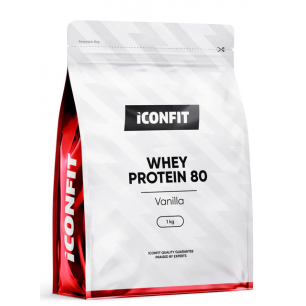
- protein powder (whey, casein or plant-based, depending on your preference);
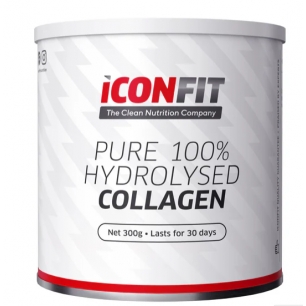
- collagen powder, which can be added directly to cold drinks without heating;
- milk (dairy or plant-based) or yoghurt;
- frozen fruit and berries: banana, strawberries, raspberries and blueberries;
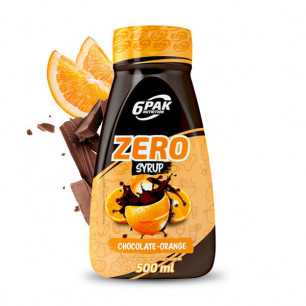
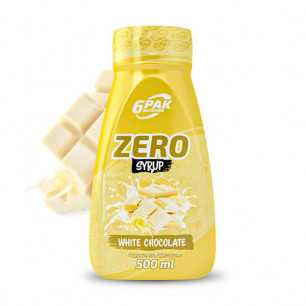
- chocolate or sugar-free syrup for flavour and decoration;
- ice.
Next are three refreshing recipes: a smoothie, ice cream and fruit ice lollies. All three take around 5–10 minutes to prepare and require no special equipment apart from a blender.
How to Choose Protein Powder for Cold Recipes
Not every protein powder behaves in the same way when used in cold dishes. Whey protein dissolves quickly in cold milk and is particularly suitable for smoothies and ice lollies, where a smooth, liquid consistency is important. Casein protein produces a thicker consistency and mixes more slowly with liquid, making it an excellent choice for ice cream, where it creates a denser, creamier texture. Plant-based protein powders, including pea, rice and hemp protein, can be used in all three recipes, although they may require slightly more liquid or longer blending to avoid lumps.
If you are preparing a recipe in advance and plan to leave it in the freezer for several hours, make the flavour and sweetness a little stronger than you normally would. Frozen foods generally taste less intense than foods served at room temperature.
Berry Protein Smoothie with Collagen
A refreshing option for breakfast, a snack or after a workout on a hot day.
Ingredients:
- 250 ml milk (dairy or plant-based);
- 1 serving of unflavoured or vanilla protein powder;
- 1 scoop of collagen;
- a handful of frozen berries (strawberries, raspberries or blueberries);
- ice to taste;
- optional: a little sugar-free syrup for extra sweetness.
Method:
- Place all the ingredients in a blender.
- Blend for 30–40 seconds until smooth and free from lumps.
- Pour into a glass and garnish with berries and mint if desired.
Collagen mixes well with cold drinks and does not need to be heated, making a smoothie a convenient way to add it to your diet during the summer months.
Protein Ice Cream with No Added Sugar
A simple ice cream recipe made with frozen bananas. It creates a creamy texture without cream or added sugar.
Ingredients:
- 2 frozen bananas, cut into pieces;
- 1 serving of chocolate or vanilla protein powder;
- 2–3 tbsp plant-based or dairy milk;
- a little sugar-free chocolate for decoration.
Method:
- Blend the frozen banana pieces in a blender or food processor until they resemble coarse crumbs.
- Add the protein powder and milk, then blend until you have a smooth, creamy mixture.
- Transfer to a serving dish and grate some sugar-free chocolate over the top or drizzle with melted chocolate.
- Serve immediately as soft ice cream or freeze for 30–60 minutes for a firmer texture.
You can also experiment with different fruits instead of bananas, such as frozen mango or berries.
Protein Fruit Ice Lollies
An easy alternative for anyone who enjoys traditional fruit ice lollies but would like a version containing protein and no added sugar.
Ingredients:
- 300 ml protein shake (protein powder blended with milk or yoghurt);
- chopped berries or fruit;
- ice lolly moulds and sticks.
Method:
- Blend the protein powder with milk or yoghurt until smooth.
- Divide the fruit pieces between the ice lolly moulds.
- Pour the protein mixture into the moulds and insert the sticks.
- Freeze for at least four hours or overnight.
Fruit ice lollies are ideal for making ahead. A batch prepared for several days can provide refreshing treats throughout a hot week.
Variations and Ingredient Substitutions
All three recipes can be adapted to whatever you have at home and your personal taste preferences:
- replace the banana in the ice cream with frozen mango, berries or avocado for a thicker texture;
- replace dairy milk in any recipe with an alternative such as almond, oat or coconut milk;
- use pieces of kiwi, peach or melon instead of berries in the fruit ice lollies;
- experiment with different sugar-free syrups or chocolates, including vanilla, caramel, chocolate and nut flavours, which all work well in cold protein desserts.
A little cinnamon, cocoa powder or vanilla extract can also make smoothies and ice cream taste more intense without adding extra sugar.
How to Store Cold Protein Recipes
Smoothies are best enjoyed immediately after preparation to preserve their texture and prevent separation. Protein ice cream and fruit ice lollies, on the other hand, can be kept in the freezer for several days. Store ice cream in a sealed container for up to 1–2 weeks and fruit ice lollies in their moulds for up to two weeks without a noticeable loss of flavour.
If you prepare larger batches, you can freeze protein shakes in ice cube trays. The resulting protein cubes can later be added to fresh smoothies instead of regular ice, helping to prevent the drink from becoming watery.
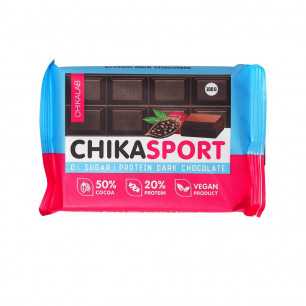
SportFit.ee offers a wide selection of protein powders, collagen, sugar-free chocolate and syrups, making it easy to prepare these cold protein recipes to suit your preferences and training routine.
Frequently Asked Questions
Can You Use Plant-Based Protein in These Recipes?
Yes, plant-based protein powder works in all three recipes. The flavour and texture may differ slightly from whey protein, but the result is still a cold, satisfying dessert with no added sugar.
How Long Can These Protein Desserts Be Stored in the Freezer?
Protein ice cream and fruit ice lollies can be stored in a sealed container in the freezer for up to 1–2 weeks. Smoothies are best prepared in individual portions and enjoyed immediately.
Can You Add Collagen to All Three Recipes, Not Just the Smoothie?
Yes, unflavoured or neutral-tasting collagen can also be added to ice cream and fruit ice lollies because it mixes well with cold liquids.
What Can You Use Instead of Sugar for a Sweeter Taste?
Sugar-free syrups or chocolate can be used instead of regular sugar. They add flavour without the need for additional sugar.
Which Protein Is Best for Ice Cream and Which for Smoothies?
Whey protein is convenient for smoothies and fruit ice lollies because it dissolves quickly and evenly in cold liquids. Casein protein works especially well in ice cream because its thicker consistency creates a denser, creamier texture.

Comments