



Casein
Casein is a slow milk protein for evening shakes, filling snacks, protein desserts and easier daily protein intake.
21 products
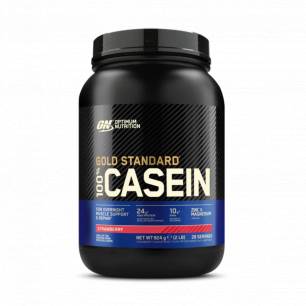
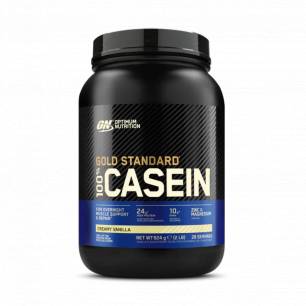
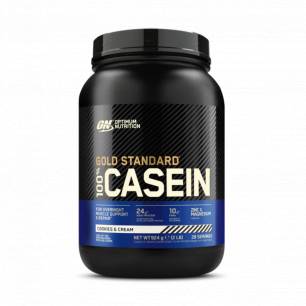
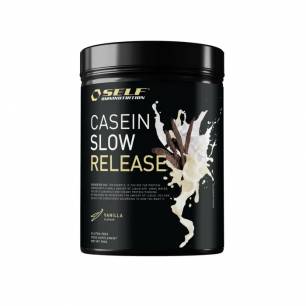
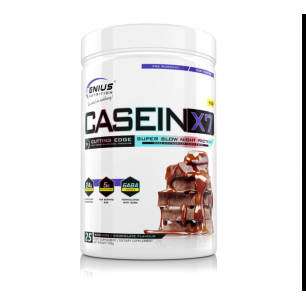
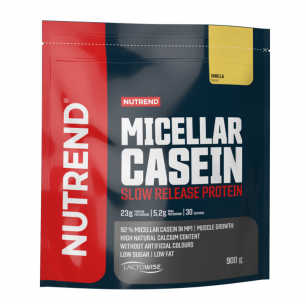

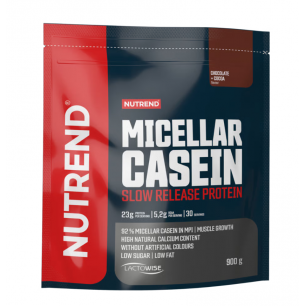

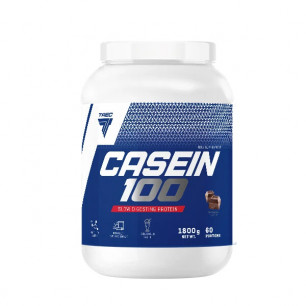
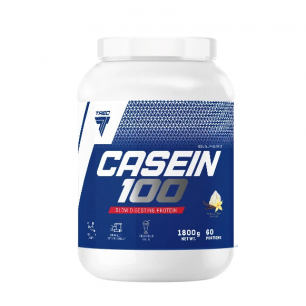
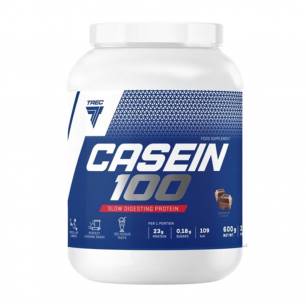
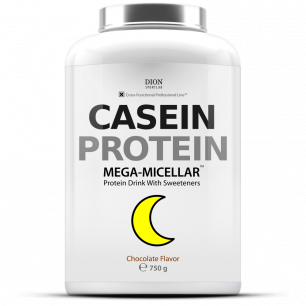
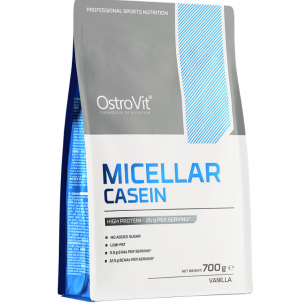
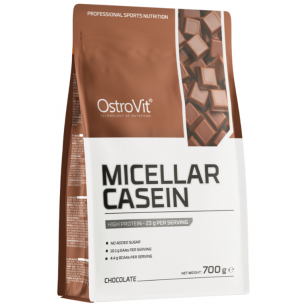
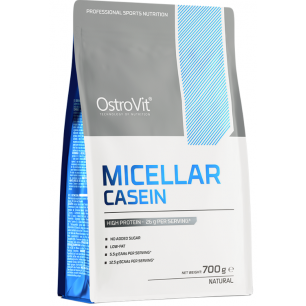
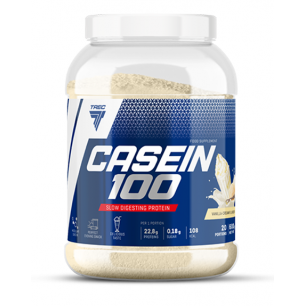
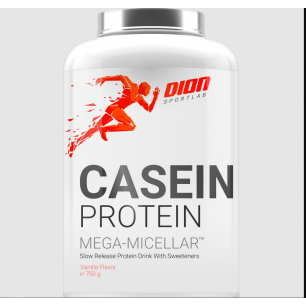

How to Choose Casein
Casein is a milk protein known in sports nutrition for its slow-digesting profile and thick, creamy texture. While whey protein is usually chosen for a quick shake after training, casein is more often used in the evening, before bed or during long gaps between meals. It helps make daily protein intake easier and creates a more filling shake or dessert, which can fit both muscle-building and weight-control routines.
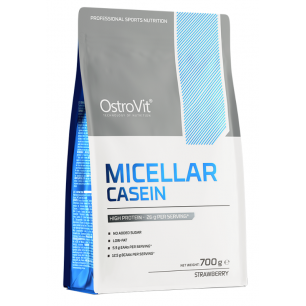
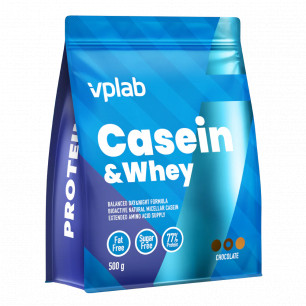
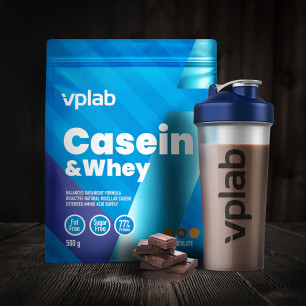
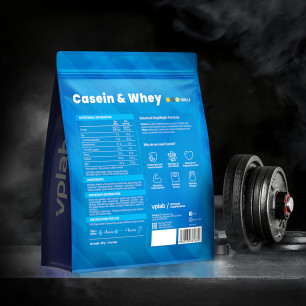
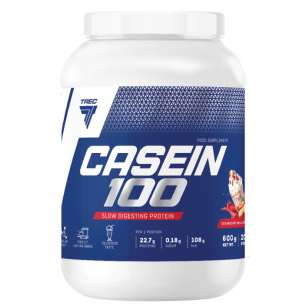
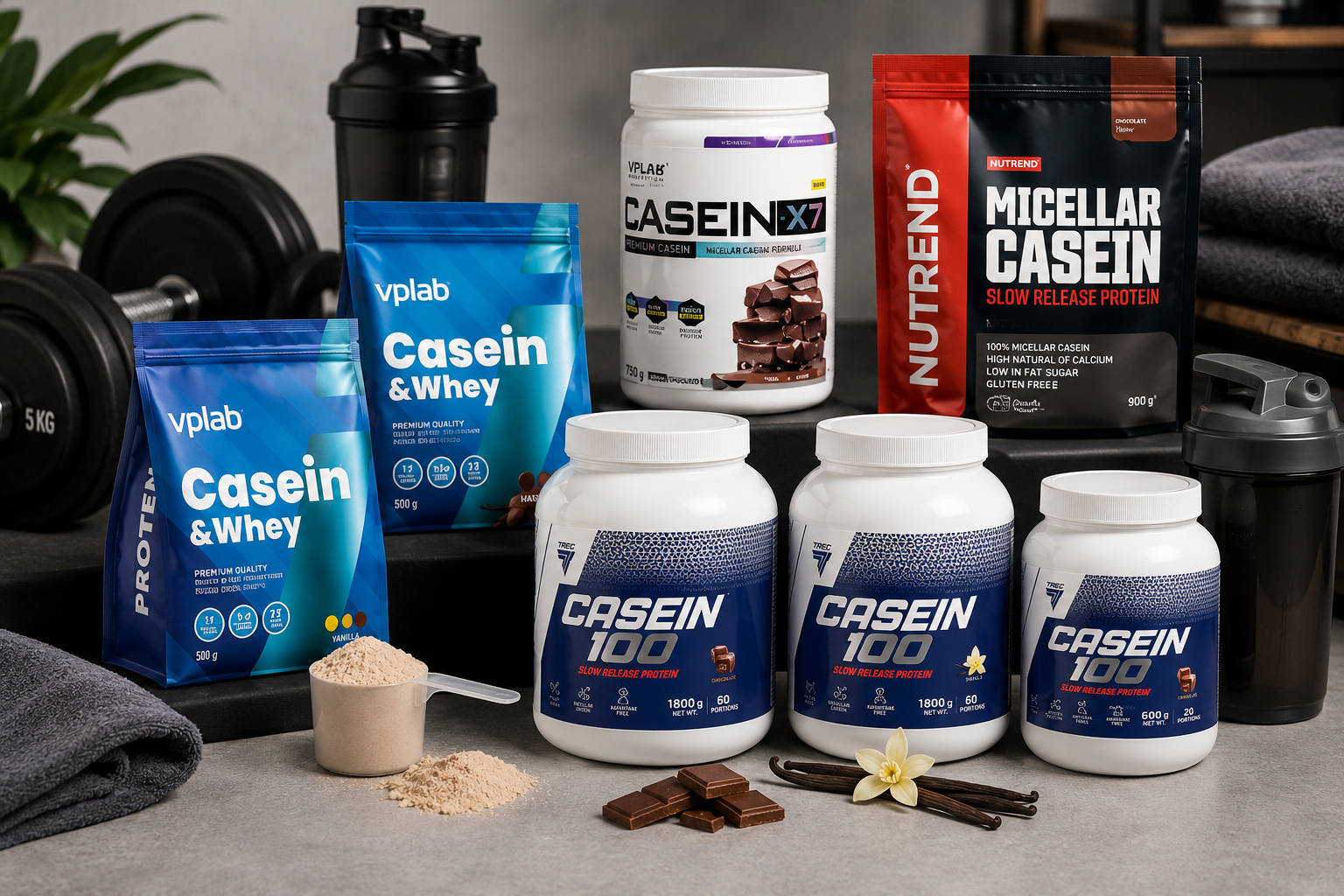
In this category, you may find micellar casein, classic casein protein and Casein & Whey blends. Micellar casein is the popular choice when you want a slow protein with a dense texture. It works well as a shake, protein cream, pudding or high-protein dessert base. A casein and whey blend can be useful if you want a mix of faster and slower milk proteins in one product. If you are buying casein for the first time, start with simple flavours such as vanilla, chocolate, strawberry or a natural option for recipes.
Who Casein Is For
Casein suits people who want to increase protein intake without cooking another meal. It is commonly chosen by athletes, evening gym users, people managing calories and anyone with a long break between dinner and breakfast. Casein protein can also work well for those who want to replace a regular sweet dessert with a thicker protein-based cream or shake.
For weight control, casein is useful mainly because of satiety. A thick shake or pudding can make an evening snack feel more satisfying and easier to control. Still, casein does not burn fat by itself. It is a protein source that helps make a diet more practical. For muscle gain, casein can be useful when you need to add protein during the day or before a long overnight gap.
Casein, Whey Protein and Blends
The main difference between casein and whey protein is texture and timing. Whey protein is usually lighter and faster to drink, so people often use it after training, in the morning or when they want a simple shake. Casein is thicker, slower and better suited for evening use, long gaps between meals or dessert-style recipes. With less liquid, it can turn into a spoonable cream instead of a regular shake.
Casein & Whey blends sit in the middle. They can be practical if you do not want two separate tubs at home or need a more versatile protein for breakfast, snacks and evening shakes. Micellar casein is the better choice when your goal is specifically a slow protein with a thicker feel. Neutral and vanilla flavours work well in recipes, while chocolate, cocoa, strawberry and creamy vanilla are more dessert-like.
What to Check Before Buying
Before ordering, check protein per serving, sugar, fat, carbohydrates, sweeteners, flavour, package size and preparation instructions. Casein usually mixes thicker than whey, so it may need more liquid or a few minutes to become smooth. If you want pudding, use less liquid and let the mixture stand until it thickens.
Because casein comes from milk, it is not suitable for people with a milk protein allergy. Lactose intolerance is different and depends on the exact product and individual tolerance: some casein powders contain less lactose, but that does not automatically make them suitable for everyone. If you have allergies, kidney disease, medical restrictions, are pregnant or breastfeeding, or are unsure about protein intake, speak with a qualified professional.
What is casein in simple words?
Casein is a milk protein that digests more slowly than whey protein and is often used as an evening shake or a filling protein snack.
Is casein best before bed?
Often yes, because casein is thick and slow-digesting. It can also be used during the day when you need a more filling protein option.
How is casein different from whey protein?
Whey is usually lighter and faster, while casein is thicker and slower. Whey is common after training, while casein is often used in the evening.
Is casein good for weight loss?
It can help if it fits your daily calories. Casein adds protein and satiety, but it does not replace a calorie deficit.
Who should avoid casein?
People with milk protein allergy should avoid casein. Those with lactose intolerance, medical conditions or strict dietary limits should check the label carefully.