



Collagen
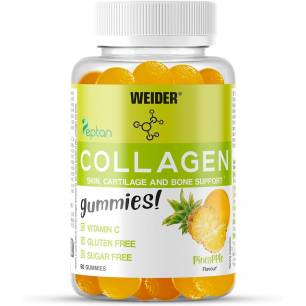
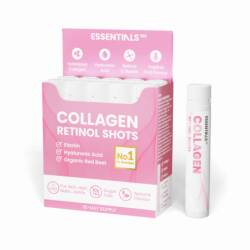
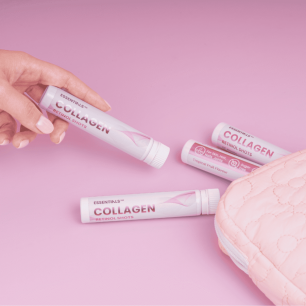
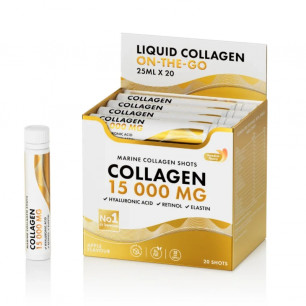
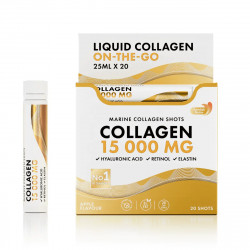
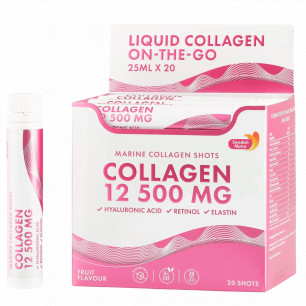
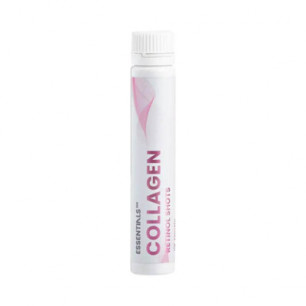
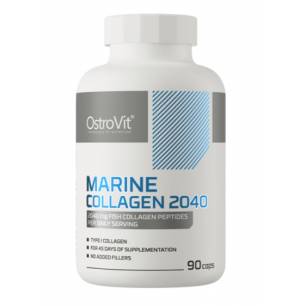
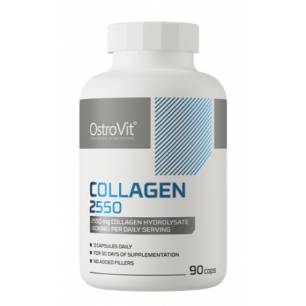
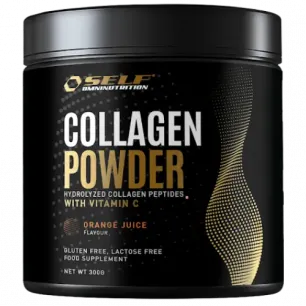
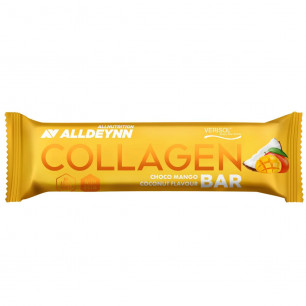
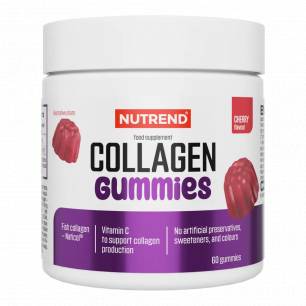
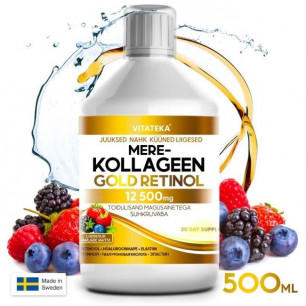
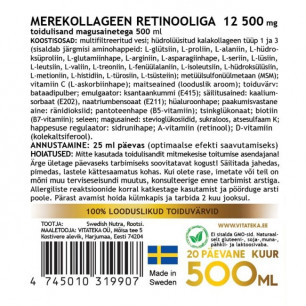
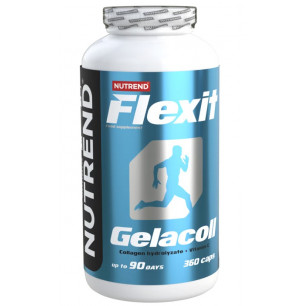
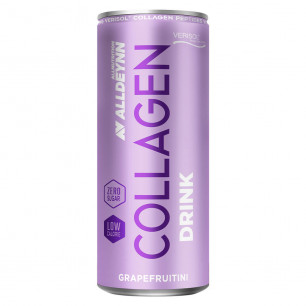
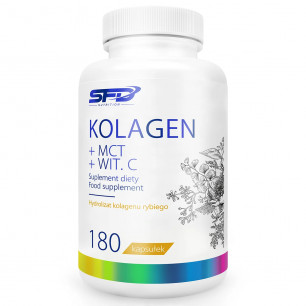
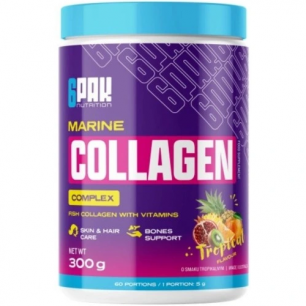
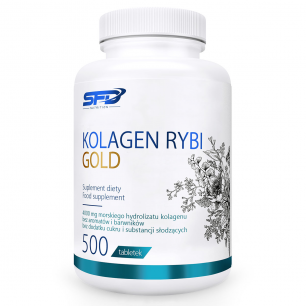
Collagen is the body's main structural protein and makes up a significant part of the skin, bones, cartilage and tendons. The range includes collagen supplements in different formats: powder, capsules, shots, drinks and bars , including marine and hydrolysed collagen and formulas with vitamin C and hyaluronic acid. Before buying, compare the amount of collagen per serving, its source and the complete product composition.
70 products





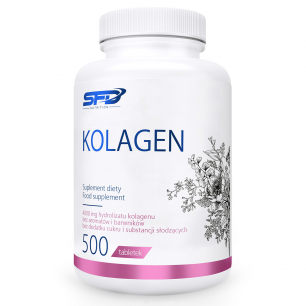
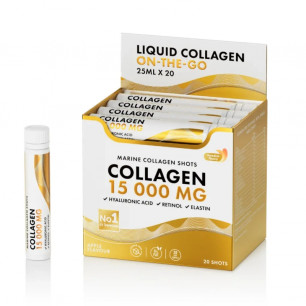


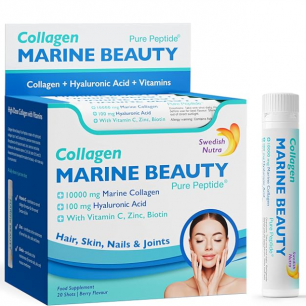


What is hydrolysed collagen?
The form most commonly used in supplements is hydrolysed collagen, also known as collagen peptides. This is collagen that has been broken down into shorter fragments. Unlike gelatin, which is also made from collagen, hydrolysed collagen does not set and can dissolve even in cold water, making it convenient to add to drinks, coffee or shakes.
Does collagen have proven benefits?
This is a common question and deserves a clear answer. Collagen is actively studied, but there are currently no authorised EU health claims for collagen itself relating to skin, joints, hair or bones.
Vitamin C does have an authorised claim: it contributes to normal collagen formation for the normal function of skin, cartilage, bones, gums, teeth and blood vessels. This is why collagen is often combined with vitamin C. You can read more about the vitamin itself in the Vitamin C category.
Sources of collagen: marine, bovine and others
- Marine collagen is obtained from fish skin and scales. It is often chosen by people who do not eat beef or pork.
- Bovine and porcine collagen are the most common sources used in supplements.
- Collagen from chicken cartilage often contains type II collagen.
The source is always stated on the packaging. This is important for people with fish allergies and for those who follow specific dietary restrictions.
Types of collagen
There are several types of collagen in the body. Three are most commonly found in supplements:
- Type I - the most abundant type in the body and the main collagen in skin, bones and tendons;
- Type II - the main collagen in cartilage tissue;
- Type III - commonly found together with type I in the skin and blood vessels.
Marine and bovine collagen mainly contain type I collagen, while type II collagen is usually obtained from cartilage.
Formats: powder, capsules, shots and drinks
Powders and shots usually provide the largest amount of collagen per serving, often up to 10-15 g. Capsules contain considerably less because only a small amount can fit into each capsule. Drinks, bars and protein products with collagen are a convenient way to include collagen in everyday foods. If you monitor sugar intake, choose products labelled “sugar free”.
Frequently asked questions
Is there collagen in kissel?
No. This is a common misunderstanding. Traditional kissel is thickened with starch, not collagen. Collagen in the form of gelatin is found in jelly, aspic and gelatin-based gummy products, and it is the gelatin that makes them set.
How much collagen should I take per day?
Follow the serving recommended by the manufacturer. In most products this ranges from 2.5 to 15 g per day. Pay attention to the actual amount of collagen per serving rather than the total weight of the product.
Can collagen replace protein powder?
No. Collagen is a protein, but it is not a complete protein because it contains very little of the essential amino acid tryptophan. It therefore does not replace conventional protein powder but can complement the diet.
Is vegan collagen available?
True collagen is animal-derived. Products labelled “vegan collagen” usually do not contain collagen itself but instead contain plant ingredients and vitamins. Check the ingredient list if this is important to you.
Who should consult a doctor?
People with allergies to fish, seafood or eggs, depending on the collagen source. Medical advice is also appropriate during pregnancy, breastfeeding, with kidney disease and when medicines are taken regularly.