



Vitamin C
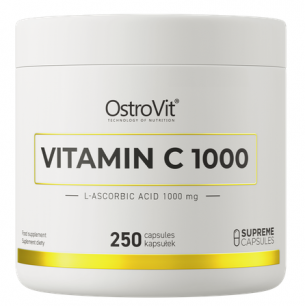
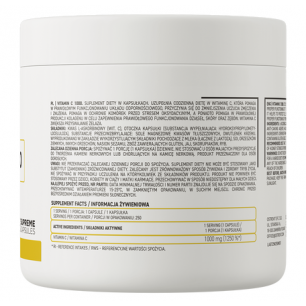
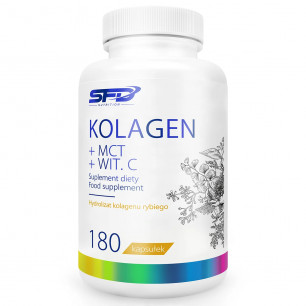
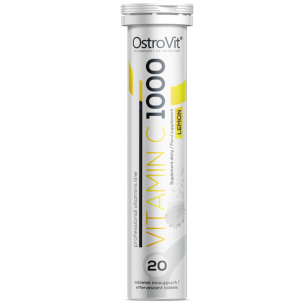
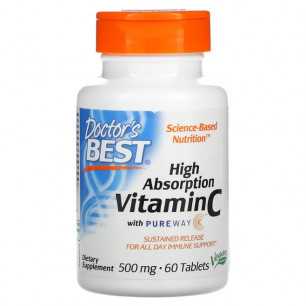
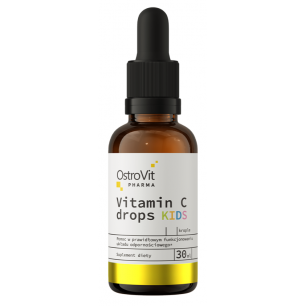
Vitamin C (ascorbic acid) is a water-soluble vitamin that contributes to the normal function of the immune system, normal collagen formation and the reduction of tiredness and fatigue. The range includes vitamin C supplements in different formats: drops, including products for children, capsules, tablets, effervescent tablets and powder , as well as formulas with bioflavonoids and rosehip. Before buying, compare the amount of vitamin C in the daily serving and the product format.
25 products














What is vitamin C needed for?
Vitamin C has one of the widest ranges of authorised health claims in the EU. It contributes to:
- the normal function of the immune system;
- normal collagen formation for the normal function of blood vessels, bones, cartilage, gums, skin and teeth;
- the reduction of tiredness and fatigue and normal energy-yielding metabolism;
- the normal functioning of the nervous system and normal psychological function;
- the protection of cells from oxidative stress;
- increased iron absorption.
For people who train intensively, vitamin C also contributes to maintaining the normal function of the immune system during and after intense physical exercise. This claim applies with a daily intake of 200 mg of vitamin C in addition to the recommended daily intake.
What forms of vitamin C are available?
- Ascorbic acid - the classic and most common form.
- Ascorbates, such as sodium ascorbate or calcium ascorbate - salts of ascorbic acid with a less acidic reaction. They are often chosen by people with sensitive stomachs.
- Sustained-release forms - tablets that release vitamin C gradually over several hours.
- Vitamin C with bioflavonoids, rosehip, hesperidin or rutin - formulas in which vitamin C is combined with plant-based ingredients.
Vitamin C drops and vitamin C for children
Vitamin C drops are a convenient option for children and for people who find tablets difficult to swallow, as the dose is easy to measure and mix with a drink. Children's products provide age-specific amounts, which are stated on the pack. For young children, it is advisable to consult a paediatrician before starting supplementation. Check the ingredients as some children's drops and syrups contain sugar.
Effervescent tablets, powder or capsules
- Effervescent vitamin C tablets are dissolved in a glass of water to make a flavoured drink that is convenient to take in the morning.
- Powder allows the amount to be adjusted and mixed with water, juice or a protein shake.
- Capsules and tablets are a simple option for daily use, with no flavour and no preparation required.
Frequently asked questions
How much vitamin C can be taken per day?
Follow the manufacturer's recommended serving. No tolerable upper intake level has been established for vitamin C in the EU, but high doses - around 1 g per day or more - may cause stomach discomfort and gastrointestinal upset. Larger amounts can be divided into several servings.
Can lysine and vitamin C be taken together?
Yes. This is a common combination and some products contain both ingredients. There are no authorised EU health claims for the combined action of lysine and vitamin C. Vitamin C itself has an authorised claim relating to normal collagen formation.
Does vitamin C help with colds?
There are no authorised EU claims that vitamin C prevents or treats the common cold. The authorised claim is that vitamin C contributes to the normal function of the immune system.
When is the best time to take vitamin C?
It can be taken at any convenient time, preferably with food to reduce the risk of stomach irritation. Vitamin C is water-soluble, so larger amounts are often divided between morning and evening.
Who should speak to a doctor?
People with a history of kidney stones, kidney disease, haemochromatosis or other conditions in which iron accumulates in the body, because vitamin C increases iron absorption. Medical advice is also appropriate during pregnancy and when medicines are taken regularly.
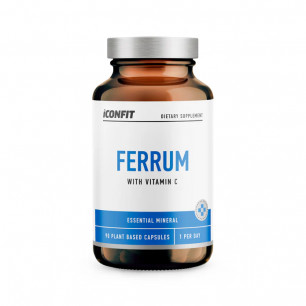
Vitamin C is often taken together with iron because it increases iron absorption. Other vitamins can be found in the Vitamins A-Z category.