



Iron
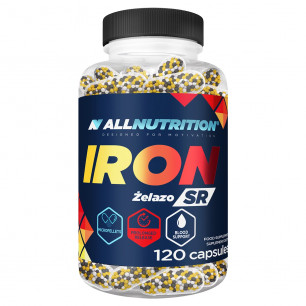
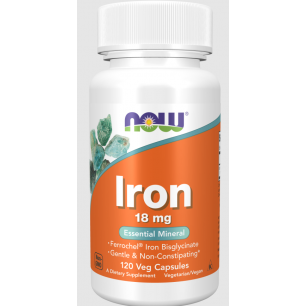
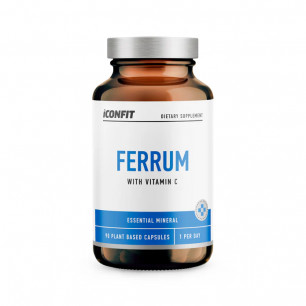
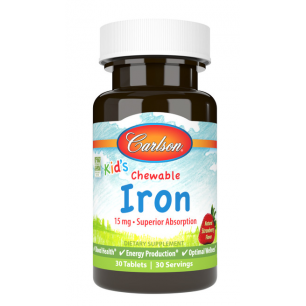
Iron is a mineral that contributes to the normal formation of red blood cells and haemoglobin, normal oxygen transport in the body, and the reduction of tiredness and fatigue. The range includes iron supplements in different forms: liposomal iron, chelated iron (bisglycinate) , formulas with vitamin C and chewable options. Iron supplements should be used when there is a confirmed need, so it is advisable to check iron status through blood tests before starting supplementation.
11 products






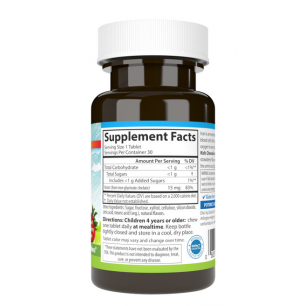

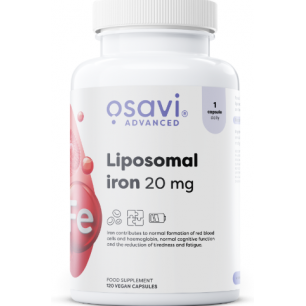
Should you have blood tests before taking iron?
Yes, and this is one of the key differences between iron and many other supplements. The body has limited ability to eliminate excess iron, so unnecessary long-term supplementation can lead to accumulation. Iron is therefore usually taken when a deficiency has been confirmed. A doctor will commonly assess haemoglobin and ferritin, which reflects iron stores.
Iron requirements may be higher in women with heavy menstrual bleeding, during pregnancy, in people who do not eat meat, and in those who do a high volume of endurance training.
What is iron needed for?
Several health claims are authorised for iron in the EU. Iron contributes to:
- normal formation of red blood cells and haemoglobin;
- normal oxygen transport in the body;
- the reduction of tiredness and fatigue;
- normal energy-yielding metabolism;
- normal function of the immune system and normal cognitive function.
Liposomal iron
Liposomal iron is iron enclosed in a phospholipid membrane known as a liposome. This form is often chosen by people who find conventional iron tablets uncomfortable for the stomach. Manufacturers frequently claim improved absorption of liposomal iron, but the available evidence is not sufficient for definitive conclusions and there is no authorised EU health claim for superior absorption. Compare products by the amount of iron in the daily serving.
Chelated iron (bisglycinate)
Chelated iron is iron bound to the amino acid glycine. On labels it may be listed as iron bisglycinate or diglycinate. This form is often selected because it may be gentler on the stomach than conventional iron salts.
How to take iron
- On an empty stomach or with a small amount of food. Iron is absorbed better on an empty stomach but may cause nausea. If this happens, take it with food.
- With vitamin C. Vitamin C increases iron absorption, so they are often combined. Foods rich in vitamin C can also be suitable.
- Separately from tea, coffee, dairy products and calcium. These can reduce iron absorption. Leave an interval of 1-2 hours.
- At the manufacturer's recommended dose. Do not increase the dose yourself or combine several iron supplements.
Frequently asked questions
How should liposomal iron be taken?
Follow the directions on the pack, commonly once daily with water. Many liposomal iron products can also be taken with food. The general principles are the same as for other iron forms - avoid taking them with tea, coffee or calcium and do not exceed the recommended dose.
Can children take iron?
Only on the advice of a paediatrician and using products designed for children with age-appropriate amounts. Always keep iron supplements out of reach of children: accidental ingestion of adult iron tablets can be particularly dangerous for young children. Berry-flavoured chewable tablets may look like sweets, which is important to remember.
Why can iron cause constipation or nausea?
These are common side effects of iron supplements, particularly conventional iron salts. Taking iron with food, using a smaller single dose or switching to another form such as chelated iron may help. If discomfort continues, discuss it with a doctor.
Which medicines should not be taken at the same time as iron?
Iron can reduce the absorption of some antibiotics, including tetracyclines and fluoroquinolones, the thyroid medicine levothyroxine and several other medicines. Antacids can in turn reduce iron absorption. An interval of several hours may be required, and a doctor or pharmacist can advise on the appropriate timing.
Who should not take iron without medical advice?
People with conditions that cause iron to accumulate in the body, such as haemochromatosis, as well as those with blood, liver or gastrointestinal conditions. Medical advice is also appropriate during pregnancy and when medicines are taken regularly.
Vitamin C supplements can be found in the Vitamin C category. Other trace minerals can be found in Minerals.