



Minerals
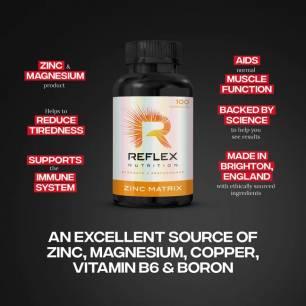
Minerals include magnesium, zinc, calcium, iron, selenium, chromium and electrolytes in a variety of formats, from conventional mineral salts to chelated forms and liquid ionic magnesium. The range includes genuine products from OstroVit, Reflex Nutrition, Trace Minerals and other brands. Use the subcategories below to quickly find the mineral you need.





213 products















Updated: 25 August 2026.
Minerals: what are they and why does the body need them?
Minerals are inorganic substances that the body does not produce itself and must obtain through food or supplements. They are generally divided into two groups:
- Macro minerals – including calcium, magnesium and potassium.
- Trace minerals – including iron, zinc, selenium, chromium and iodine.
For a more focused search, use the subcategories:
Magnesium: forms and differences
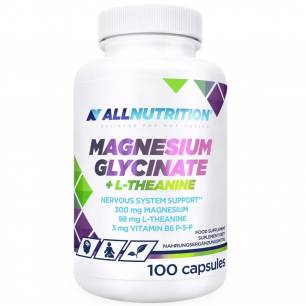
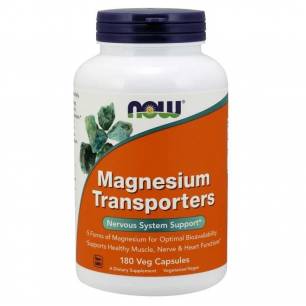
Magnesium is one of the most widely available minerals in the range and comes in several forms:
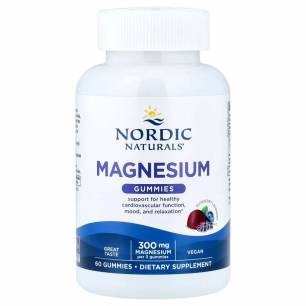
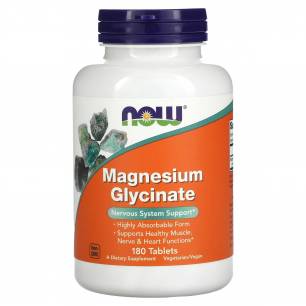
- Magnesium bisglycinate – a chelated form.
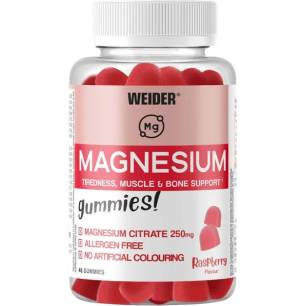
- Magnesium citrate – a commonly used magnesium compound.
- Magnesium malate – magnesium combined with malic acid.
- Ionic or liquid magnesium – a liquid format.
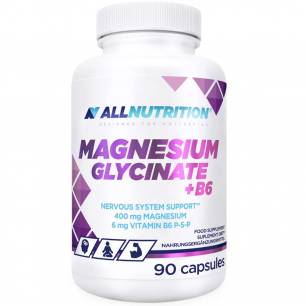
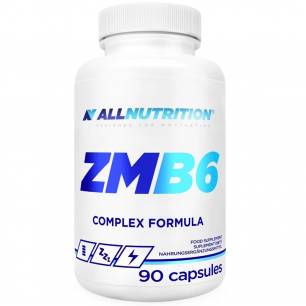
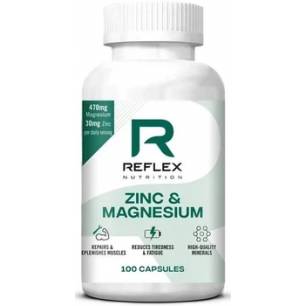
- Magnesium + potassium, magnesium + B6, magnesium + zinc – combination formulas.
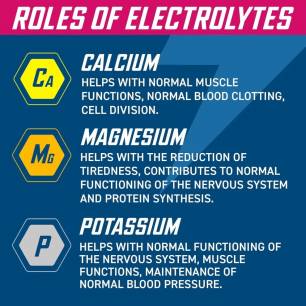
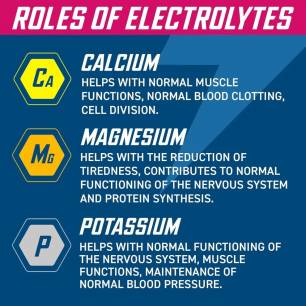
Magnesium contributes to normal muscle function and to the reduction of tiredness and fatigue where the product meets the conditions for use of these authorised EU claims.
Zinc, chromium and selenium
Zinc is available in different compounds, including picolinate and chelated forms, as well as in combination products with magnesium.
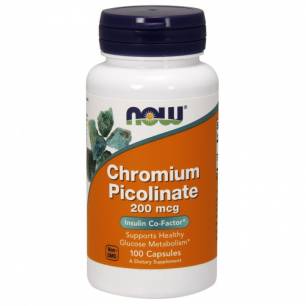
Chromium may be supplied, for example, as chromium picolinate. Compare products by the actual amount of chromium per recommended serving.
Selenium is available both as a standalone supplement and in multi-mineral formulas. Compare the form and amount per serving.
Calcium and iron
Calcium is a macro mineral needed for the maintenance of normal bones. Supplements may contain calcium alone or in formulas with ingredients such as vitamin D and magnesium.
Iron is a trace mineral where the amount provided by a supplement should be considered carefully. High-dose iron should not be used without an appropriate reason or professional advice.
Electrolytes
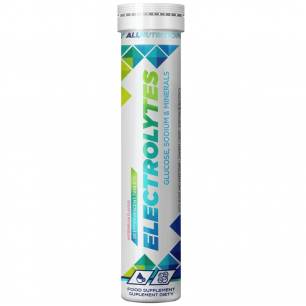
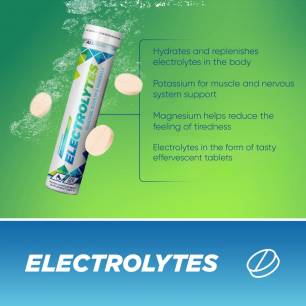
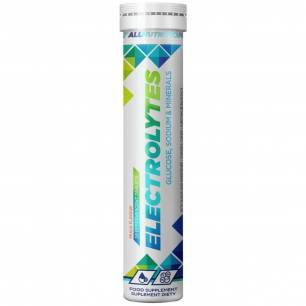
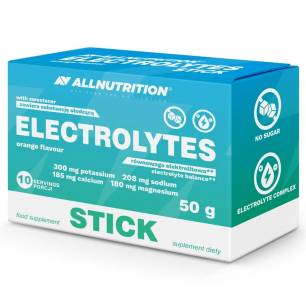
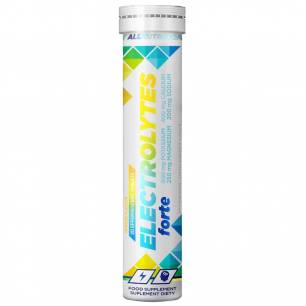
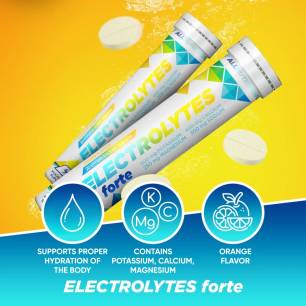
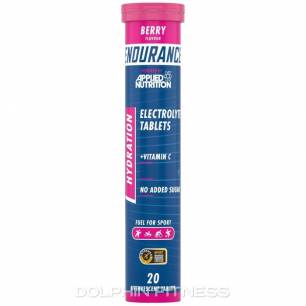
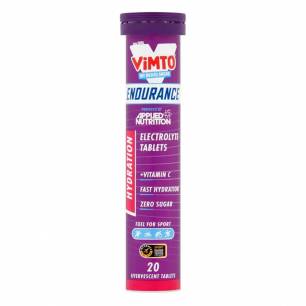
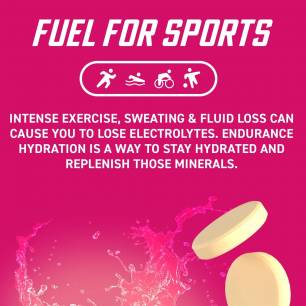
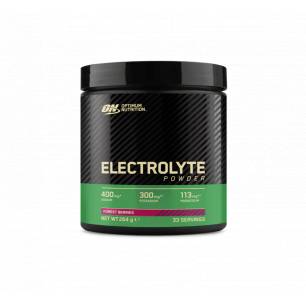
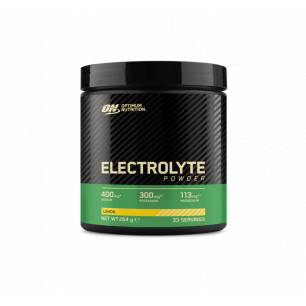
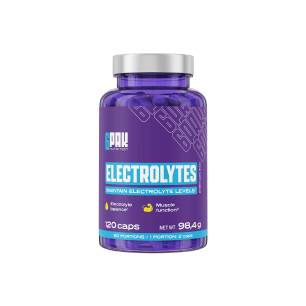
Electrolytes include minerals such as sodium, potassium and magnesium. They are available as powders, capsules and multi-ingredient sports nutrition formulas.
Individual minerals or a vitamin and mineral complex?
Individual supplements allow you to choose a specific mineral, such as magnesium or zinc. Multi-mineral formulas combine several minerals and may also contain vitamins. For a broader multivitamin formula, see Vitamins A-Z.
How to choose a mineral supplement
- Check the chemical form, such as bisglycinate, citrate, oxide, malate or an ionic form.
- Compare the amount of the actual mineral per serving.
- Check whether the same mineral is already present in other supplements you use.
- Follow the manufacturer's recommended daily serving.
Frequently asked questions about minerals
Are minerals vitamins?
No. Vitamins are organic compounds, while minerals are inorganic elements. They are different groups of nutrients, although they are often combined in the same supplement.
Which minerals are the most important?
There is no single list of the “most important” minerals. The body requires both macro minerals and trace minerals. The relevance of an individual mineral depends on diet and individual circumstances.
How is a chelated mineral different from a standard form?
In a chelated form, the mineral is bound to an organic compound such as an amino acid. This differs chemically from forms such as oxide or citrate. Compare the mineral form, elemental amount and complete formula.
Can several minerals be taken together?
Many products already combine several minerals. If you use multiple supplements, compare their formulas and total amounts to avoid unnecessary duplication.
This information is for general reference and does not replace medical advice, particularly if you take medication or have a chronic condition.