



Chromium
Chromium is a trace mineral that contributes to the maintenance of normal blood glucose levels and normal macronutrient metabolism. The range includes chromium supplements in capsules and tablets in different forms, as well as formulas combining chromium with other ingredients. Before buying, check the amount of chromium in the daily serving - it is stated in micrograms - and the complete product composition.

13 products






What is chromium needed for?
Two health claims are authorised for chromium in the EU: chromium contributes to the maintenance of normal blood glucose levels and to normal macronutrient metabolism - including proteins, fats and carbohydrates.
Small amounts of chromium can be obtained from foods such as meat, whole grains, broccoli and nuts. The body requires chromium only in very small amounts, so labels state the quantity in micrograms (µg or mcg).
Forms of chromium in supplements
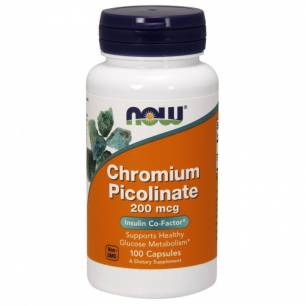
Chromium is used in supplements in several different compounds. The most common is chromium picolinate. The specific form is always listed in the product ingredients.
Does chromium help with weight loss or sugar cravings?
This is one of the most common expectations associated with chromium. There are no authorised EU health claims stating that chromium promotes weight loss, reduces appetite or decreases sugar cravings. Research exists in these areas, but the results do not justify making such promises.
Chromium is often included in weight-control formulas alongside CLA, L-carnitine or chitosan. With these products, it is important to consider the complete formula and the claims that apply to each ingredient separately.
Frequently asked questions
Is chromium a vitamin?
No. Chromium is a mineral, more specifically a trace element, which the body requires in very small amounts. It is often sold alongside vitamins, but it is a mineral like zinc or selenium.
Is chromium dangerous?
Food supplements use trivalent chromium - the form associated with food and nutritional use. Hexavalent chromium is a different industrial compound that is not used in food supplements. The two should not be confused.
How much chromium can be taken per day?
No tolerable upper intake level has been established for chromium in the EU because the available data are insufficient. It is therefore sensible not to exceed the manufacturer's recommended serving and not to combine several chromium-containing supplements unnecessarily.
Who should speak to a doctor before taking chromium?
People with diabetes who use glucose-lowering medicines or insulin should discuss chromium supplementation with a doctor. Medical advice is also appropriate in cases of kidney or liver disease, during pregnancy and breastfeeding, and when medicines are taken regularly.
Combination products containing chromium can also be found in the Weight control, diet and detox category. Other trace minerals are available in Minerals.