



Zinc
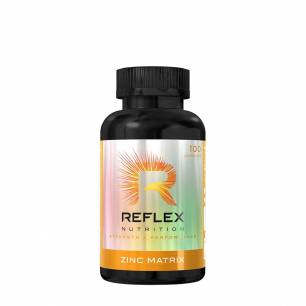
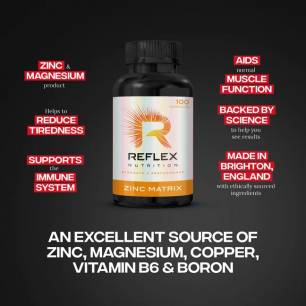
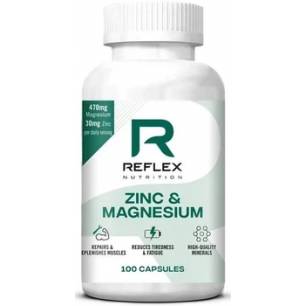
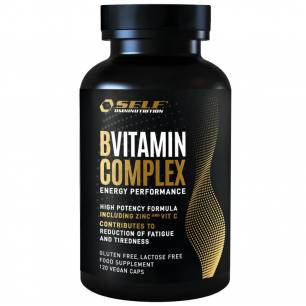
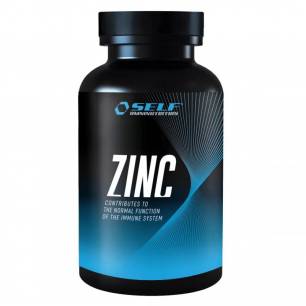
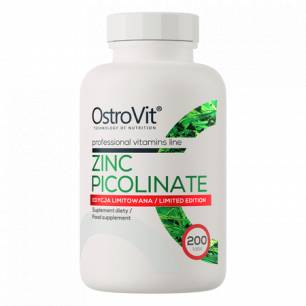
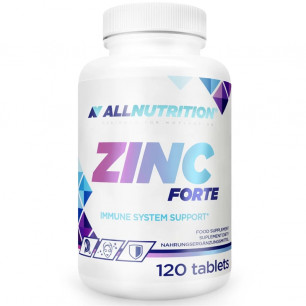
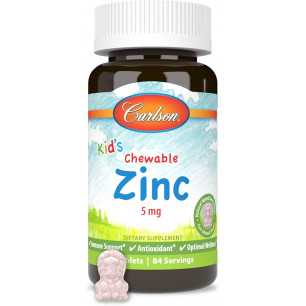
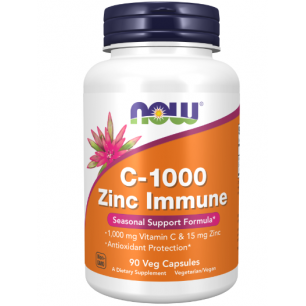
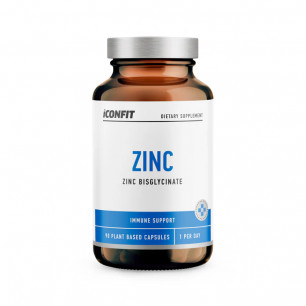
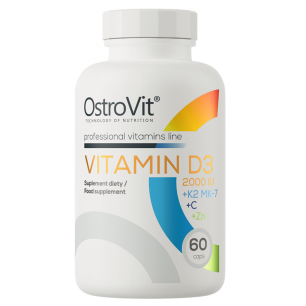
Zinc is a trace mineral that contributes to the normal function of the immune system, normal protein synthesis, maintenance of normal skin, hair and nails, and maintenance of normal testosterone levels in the blood. The range includes zinc supplements in different forms, including zinc bisglycinate and zinc picolinate , children's chewable tablets and formulas combining zinc with magnesium, selenium and vitamins. Before buying, check the amount of elemental zinc in the recommended daily serving.
33 products












Should zinc be taken before or after food?
Zinc is well absorbed on an empty stomach, so some manufacturers recommend taking it before a meal or some time afterwards. However, zinc can cause nausea or stomach discomfort when taken without food. In this case, it can be taken with a meal according to the directions for the individual product.
The composition of a meal can also influence zinc absorption. Phytates, which are abundant in whole grains, legumes and bran, can bind zinc and reduce its bioavailability.
What is zinc needed for?
Zinc has a wide range of authorised EU health claims. Zinc contributes to:
- the normal function of the immune system;
- normal protein synthesis and normal macronutrient metabolism;
- the maintenance of normal testosterone levels in the blood;
- the maintenance of normal skin, hair, nails and bones;
- the protection of cells from oxidative stress;
- normal cognitive function and the maintenance of normal vision.
Forms of zinc: bisglycinate, picolinate and others
Zinc bisglycinate is zinc bound to the amino acid glycine. It is a chelated form commonly chosen for its convenient format and tolerability.
Zinc picolinate is zinc combined with picolinic acid and is one of the common forms used in food supplements.
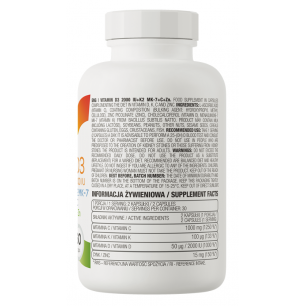
Zinc citrate, gluconate and other salts are also available. As with other minerals, the weight of the complete compound and the amount of elemental zinc are not the same thing. Compare products using the “zinc” line in the supplement information, which shows the amount of elemental zinc per serving.
Zinc in sports nutrition
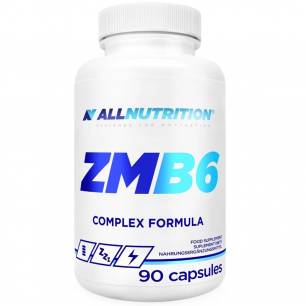
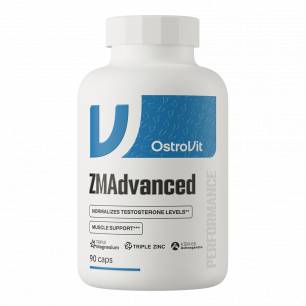
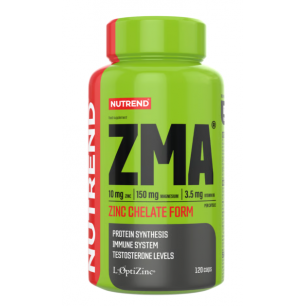
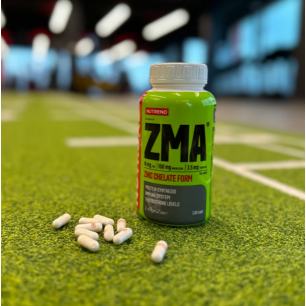
Zinc is popular among people who train regularly because it contributes to normal protein synthesis and the maintenance of normal testosterone levels in the blood. It is frequently combined with magnesium and vitamin B6 in ZMA and ZMB formulas. This refers to maintaining normal testosterone levels rather than increasing them above normal.
Frequently asked questions
Can zinc be taken with magnesium and B6?
Yes. These nutrients are frequently included in the same product, including ZMA and ZMB formulas. If you use several separate supplements, check the amount of each nutrient and follow the manufacturers' directions.
Can zinc be taken with selenium?
Yes. Zinc and selenium are often combined in the same supplement. Both contribute to the normal function of the immune system and the protection of cells from oxidative stress.
What should not be taken at the same time as zinc?
Certain minerals and medicines can affect zinc absorption or may themselves be absorbed less effectively when taken at the same time as zinc. This is particularly relevant to some antibiotics. If you take medicines regularly, check the medicine leaflet and ask a doctor or pharmacist about the appropriate interval.
How much zinc can be taken per day?
Follow the manufacturer's recommended serving and consider zinc obtained from other supplements and food. EFSA has established a tolerable upper intake level for adults of 25 mg of zinc per day from all sources. Long-term excessive zinc intake can adversely affect copper metabolism, so high doses should not be used without a specific reason.
Can children take zinc?
There are products specifically formulated for children with amounts appropriate for particular age groups. Follow the age restrictions and instructions on the pack. For regular supplementation in a child, it is advisable to consult a paediatrician.
Other minerals can be found in the Minerals category.
This information is for general reference and does not replace medical advice.