



Electrolytes
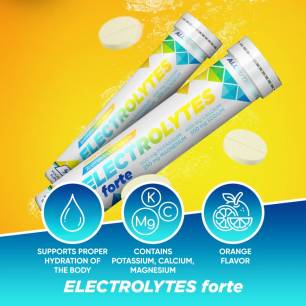
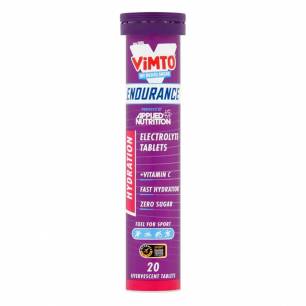
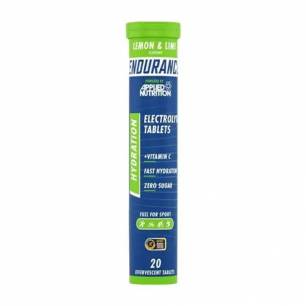
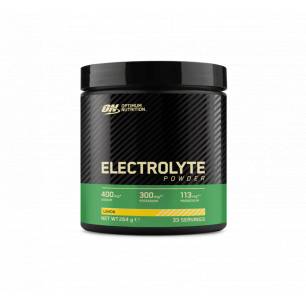
Electrolytes are minerals lost through sweat, primarily sodium, as well as potassium, magnesium and chloride. Sports electrolyte products can help replace these minerals during long and intense training, hot conditions and heavy sweating. The range includes effervescent electrolyte tablets, powders, sticks, shots and capsules , as well as electrolyte formulas with amino acids. Before choosing a product, compare the sodium and potassium content per serving and check whether it contains sugar.
21 products


When are electrolytes actually useful?
Not during every workout. If your session lasts less than an hour, you do not sweat heavily and you eat a normal diet, water is generally enough and the minerals lost can be replaced through food.
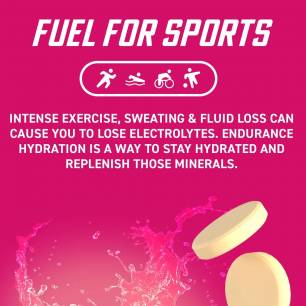
Sports electrolytes are particularly useful when sweat losses are high:
- long training sessions and competitions - running, cycling, triathlon and team sports;
- training in hot weather or a warm, poorly ventilated gym;
- heavy sweating that leaves white salt marks on clothing;
- several training sessions in one day.
During prolonged exercise there is also an opposite risk: drinking large amounts of plain water without replacing sodium can reduce its concentration in the blood. This is why water and electrolyte drinks are often used together during long endurance events.
What do electrolyte products contain?
- Sodium - the main electrolyte lost through sweat. This is usually the first amount to check.
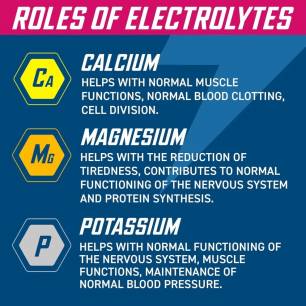
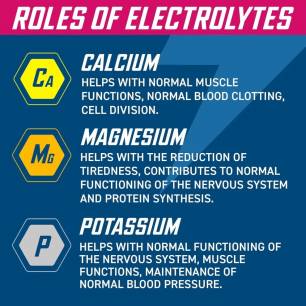
- Potassium contributes to normal muscle and nervous system function.
- Magnesium contributes to electrolyte balance and normal muscle function.
- Chloride is commonly included in the form of sodium and potassium salts.
Formulas vary considerably. Some contain more sodium, while others focus more on potassium and magnesium. Compare the amount of each mineral per serving rather than relying only on the product name.
Tablets, powder, shots or capsules
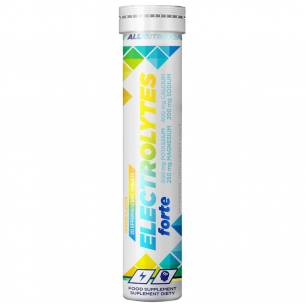
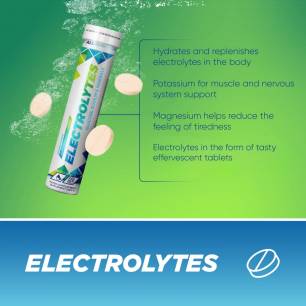
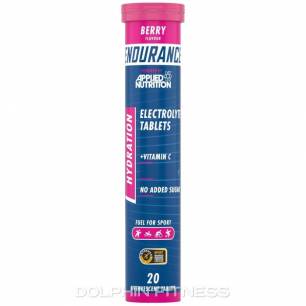
- Effervescent tablets are dissolved in a bottle of water. They are easy to carry and simple to measure.
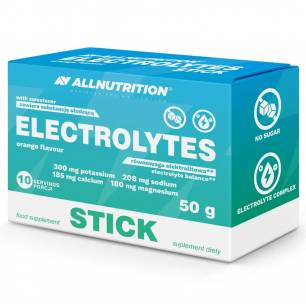
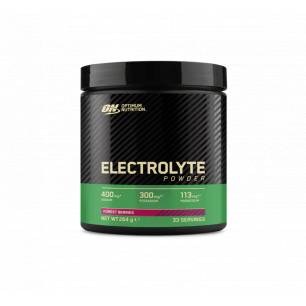
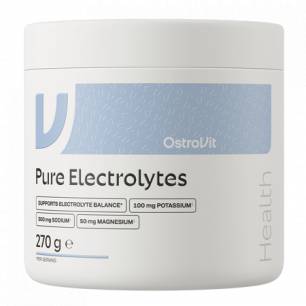
- Powders and sticks are useful if you want to control the concentration of your drink. Single-serve sticks are convenient for one training session.
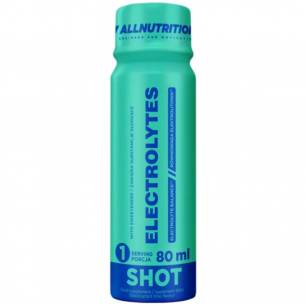
- Shots provide a ready-to-use small serving that is taken directly and followed with water.
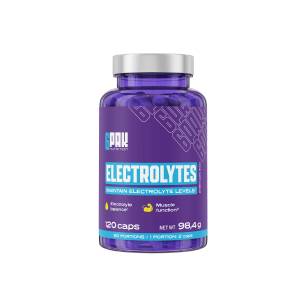
- Capsules have no flavour and do not need to be dissolved. They suit people who prefer plain water but want to add minerals separately.
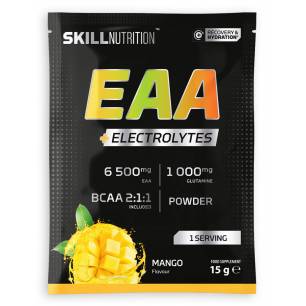
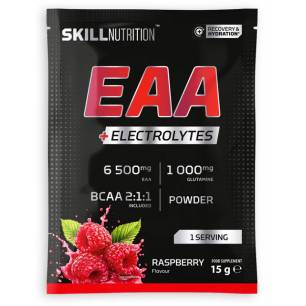
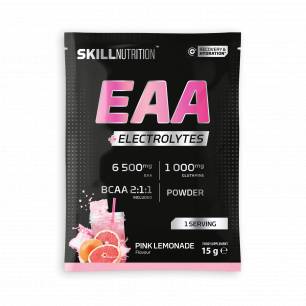
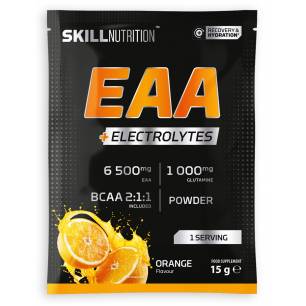
- Electrolytes with amino acids (EAA) combine both formats for people who already use amino acids during training.
Pharmacy electrolytes and sports electrolytes - what is the difference?
Products sold in pharmacies as electrolytes are often oral rehydration solutions. Their composition is designed to replace fluids and salts lost through illness, for example during diarrhoea or vomiting. They should be used according to the instructions or healthcare advice.
Sports electrolyte products are designed for a different purpose: replacing minerals lost through sweat during physical activity. If you need electrolytes specifically for training, a sports product is generally the more relevant choice.
Frequently asked questions
How should electrolytes be taken?
Dissolve a tablet or serving of powder in the amount of water stated on the pack and drink it in small sips during training. During prolonged exercise, use may begin 30-60 minutes before the start and continue throughout the session or event. Do not make the drink more concentrated than the manufacturer recommends.
Which electrolytes are best?
The best option depends on your training. For long sessions and heavy sweating, choose a product with a meaningful amount of sodium. For shorter or less intense sessions, a more moderate formula may be sufficient. Also decide whether you want carbohydrates or a sugar-free product.
Do electrolytes help with weight loss?
No. Electrolytes do not reduce body fat. Rapid weight loss after exercise is mainly water lost through sweat, and electrolyte products are intended to help replace fluids and minerals rather than reduce fat mass.
Who should be cautious with electrolytes?
People with high blood pressure, kidney or heart conditions, and those taking diuretics or other medicines that affect sodium or potassium levels. In these situations, regular use should be discussed with a doctor.
Individual minerals, including magnesium, can be found in the Minerals category.