



Skin, hair, nails
Supplements for skin, hair and nails include individual nutrients and combination formulas with collagen, biotin, hyaluronic acid, vitamin C, zinc, selenium and silicon . Products are available as capsules, tablets, powders, liquid shots and other formats, so it is important to compare the formula and the amount of each ingredient in the recommended serving.


View Left Column
160 products
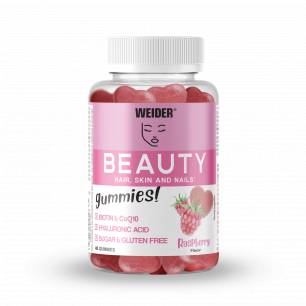
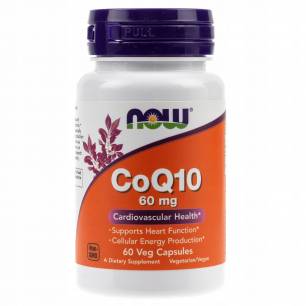
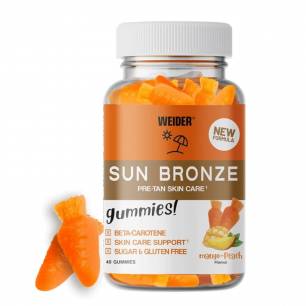

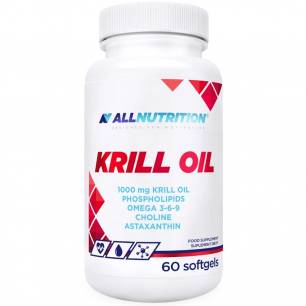
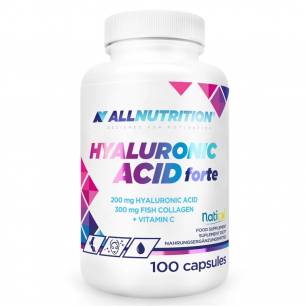
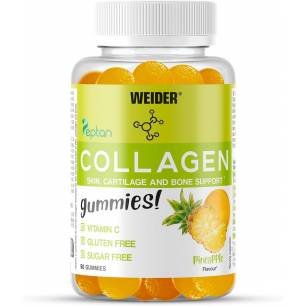
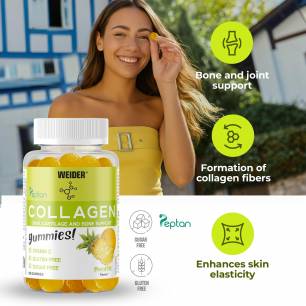
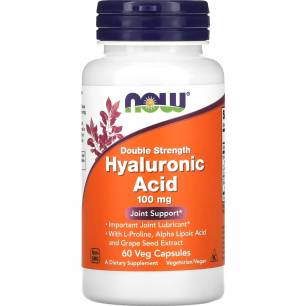
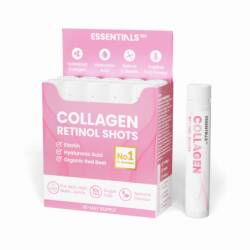
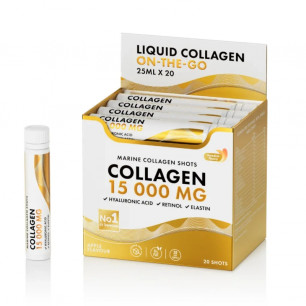
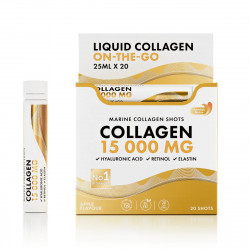
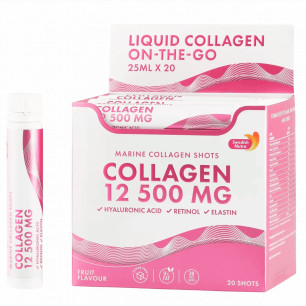
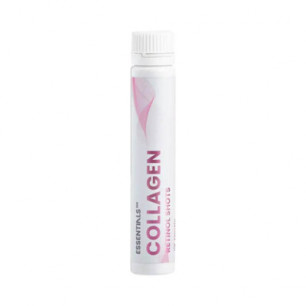
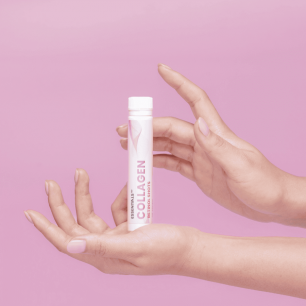
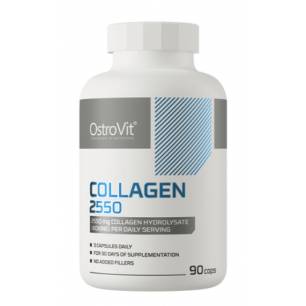
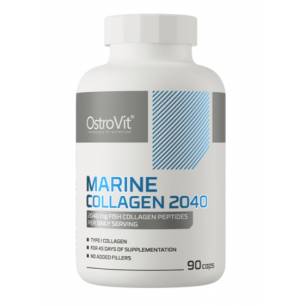
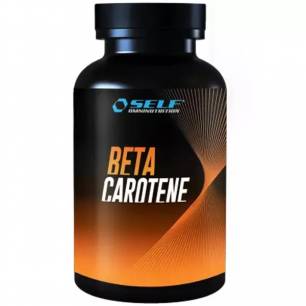
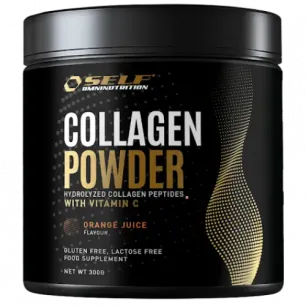
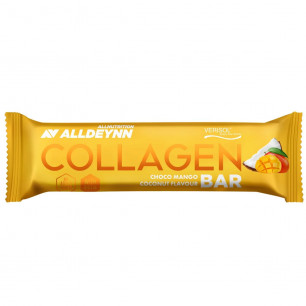
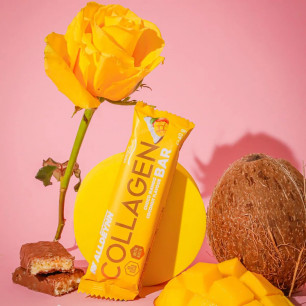
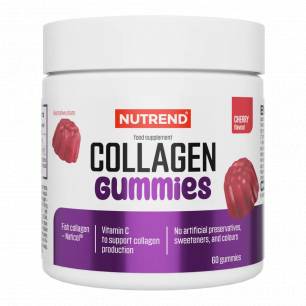

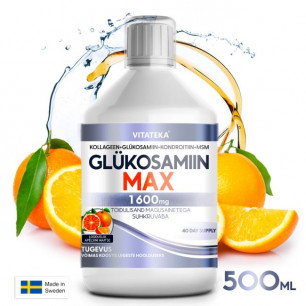
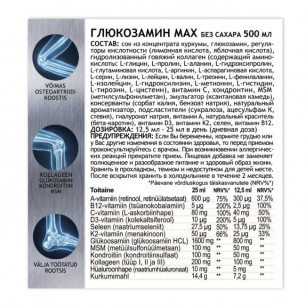
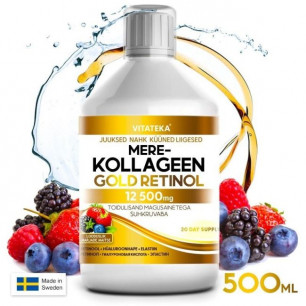
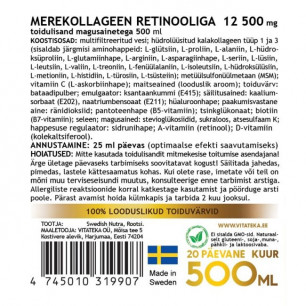
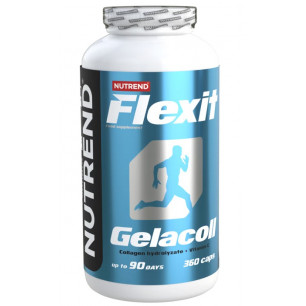
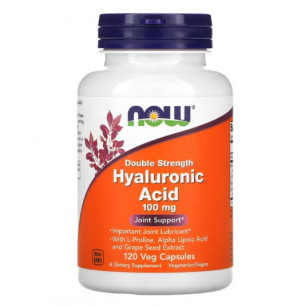
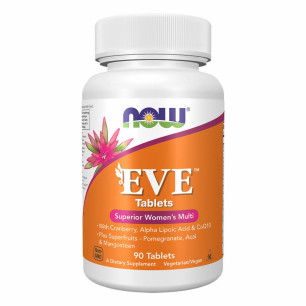
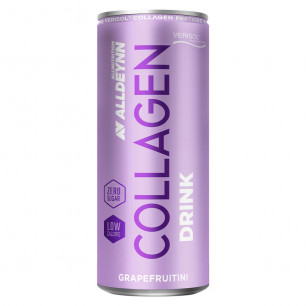
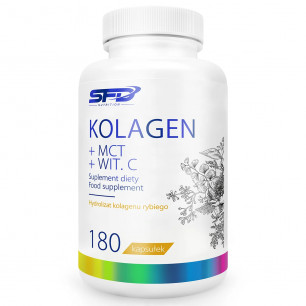
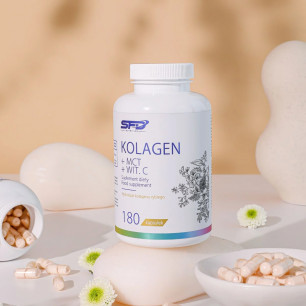
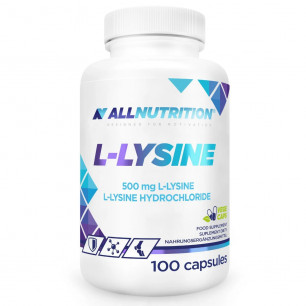
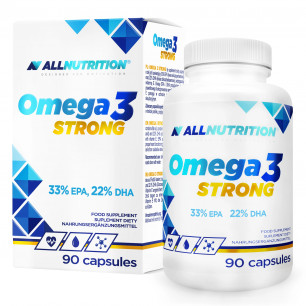
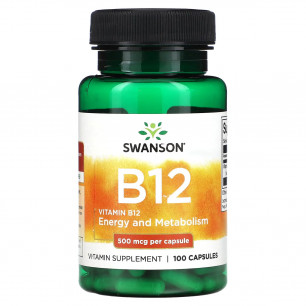
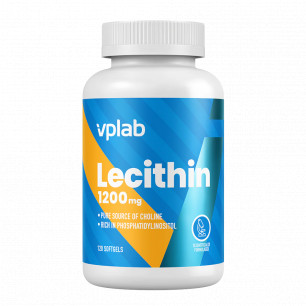
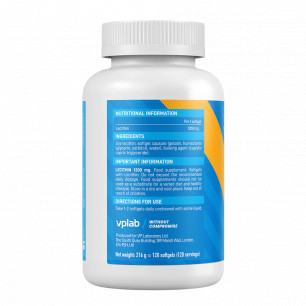
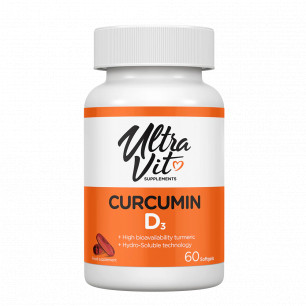
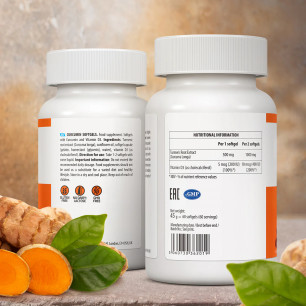
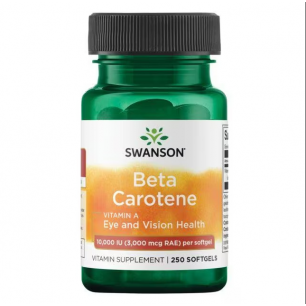
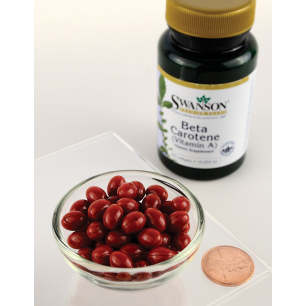
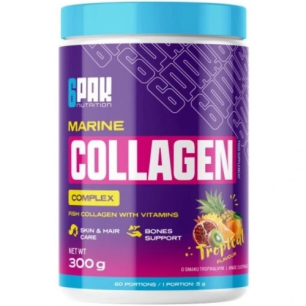
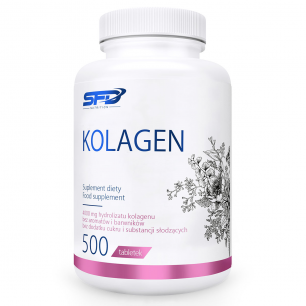
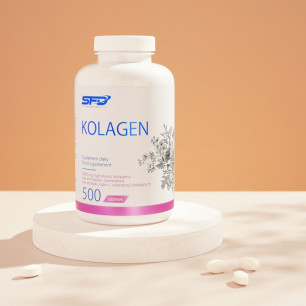
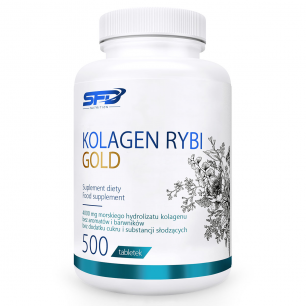
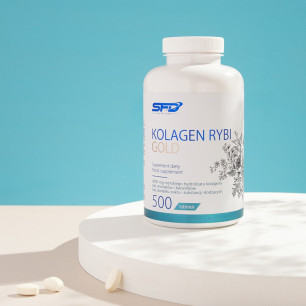
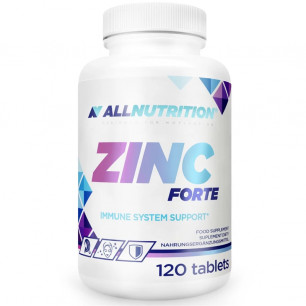


Skin, hair and nails have different structures and requirements, so products in this category can vary considerably in composition. Some contain standalone biotin or hyaluronic acid, others are based on collagen, while combination formulas bring together several vitamins, minerals and other ingredients.
Common ingredients include marine and hydrolysed collagen, biotin, hyaluronic acid, vitamin C, zinc, selenium, silicon and MSM. When choosing a product, focus on the actual formula and amount of each ingredient in the recommended serving rather than labels such as Beauty, Hair & Skin or Beauty Collagen.
What types of supplements for skin, hair and nails are available?
The products in this category can broadly be divided into several main groups:
- Collagen - hydrolysed collagen peptides in powders, capsules, liquid shots and combination formulas.
- Marine collagen - collagen produced from marine-derived raw materials.
- Biotin - vitamin B7, available as a standalone supplement and in multi-ingredient formulas.
- Hyaluronic acid - available on its own or combined with collagen and other ingredients.
- Mineral complexes - may contain zinc, selenium, copper and silicon.
- Beauty complexes - formulas combining several vitamins, minerals, collagen, biotin and other ingredients.
How to choose a skin, hair and nails complex?
Start by deciding whether you want a single ingredient or a combination formula. If you are looking for a specific component such as biotin, standalone products are easier to compare. If you want several ingredients in one product, a combination formula may be more suitable.
Before buying, check:
- the amount of each ingredient in the daily serving;
- the type and source of collagen;
- the format - powder, capsules, tablets or liquid;
- additional ingredients such as vitamin C, biotin or hyaluronic acid;
- the number of servings per pack;
- allergens and the source of the raw material, particularly for marine collagen.
What is marine collagen?
Marine collagen is obtained from marine-derived raw materials, most commonly fish tissues. Food supplements usually use hydrolysed collagen peptides.
Marine collagen may be supplied on its own or combined with hyaluronic acid, vitamin C, biotin, zinc and other ingredients. When comparing products, check the actual amount of collagen in the recommended serving, as this can vary significantly.
Collagen with hyaluronic acid and vitamin C: how do these formulas differ?
Collagen + hyaluronic acid + vitamin C formulas combine several different components. Collagen provides peptides, hyaluronic acid is a separate compound, and vitamin C is a vitamin.
In the EU, vitamin C may carry the authorised claim that it contributes to normal collagen formation for the normal function of skin, provided the product meets the conditions for use of that claim. When comparing formulas, check the amount of each component separately.
What is biotin?
Biotin, also known as vitamin B7, is a water-soluble B vitamin. It is available as a standalone supplement and as an ingredient in Skin, Hair & Nails formulas.
In the EU, authorised claims state that biotin contributes to the maintenance of normal hair and normal skin, provided the product contains the amount required to use those claims.
When comparing products, pay attention to the units: biotin is often listed not in milligrams but in micrograms – µg or mcg.
What is hyaluronic acid in food supplements?
Hyaluronic acid is a compound that naturally occurs in the body. In food supplements, it may be used on its own or included in formulas containing collagen, vitamins and minerals.
Hyaluronic acid supplements differ in the amount per serving and in their additional ingredients, so products with similar names may not have the same formula.
Are silica and silicon the same thing?
Supplement descriptions may use terms such as silica, silicon dioxide and silicon. These are related terms but are not completely interchangeable. Check the exact form and amount stated by the manufacturer.
Silicon may also be present in plant-based ingredients such as bamboo or horsetail extracts.
What does Collagen 10000 or 15000 mg mean?
The figures 10,000 mg and 15,000 mg usually indicate the amount of collagen in a defined serving. However, it is important to check whether the figure applies to one serving, several capsules or the complete daily amount.
A Collagen 15000 mg product should therefore not automatically be considered better than one with a smaller number. The collagen source, serving size, number of servings and complete formula all matter.
How is a Skin, Hair & Nails complex different from regular collagen?
A collagen supplement may contain mainly hydrolysed collagen with a small number of additional ingredients. A Skin, Hair & Nails complex usually combines several nutrients such as biotin, zinc, selenium, vitamin C, copper or other ingredients.
If you already use multivitamins, minerals or standalone biotin, check the beauty formula to avoid unnecessary duplication of the same nutrients.
Which nutrients are associated with hair, skin and nails?
Some vitamins and minerals have authorised EU claims relating to normal physiological functions. For example, biotin contributes to the maintenance of normal hair and skin, zinc contributes to the maintenance of normal hair, skin and nails, and selenium contributes to the maintenance of normal hair and nails, provided the individual product meets the conditions for use of these claims.
This does not mean that taking larger additional amounts will automatically improve appearance. Where there is no need for additional intake, a higher amount does not guarantee an additional effect.
What should I consider before taking a supplement?
Food supplements should not be selected solely on the basis of symptoms such as hair loss, brittle nails, dry skin or breakouts. Such changes can have many possible causes, including dietary and health-related factors.
If hair loss is significant or persistent, if you notice changes to your skin or nails, or if you are pregnant, have a chronic condition or regularly take medication, it is advisable to consult a qualified professional.
Frequently asked questions about skin, hair and nails supplements
Which should I choose: biotin or a skin, hair and nails complex?
It depends on your diet and what you are looking for. Biotin is one specific vitamin, while a complex may contain biotin, zinc, selenium, vitamin C, collagen and other ingredients. Before buying, compare the formula with any supplements you already use.
How is marine collagen different from regular collagen?
The main difference is the source of the raw material. Marine collagen is obtained from marine sources, while other products may be produced from bovine raw materials, for example. Products can also differ in collagen amount per serving, degree of hydrolysis, format and additional ingredients.
Can collagen and biotin be taken together?
Collagen and biotin are different ingredients and are already commonly combined in ready-made beauty formulas. If using separate products, check the complete formula and recommended servings of your other supplements, particularly if you also take multivitamins containing biotin, zinc or other overlapping nutrients.
How do I choose collagen with hyaluronic acid?
Compare the source and amount of collagen, the amount of hyaluronic acid per serving, and whether the product contains vitamin C or other ingredients. Also consider the format and number of servings per pack. Products with similar names can differ considerably in ingredient concentration.