



How to Get Back into Training After Summer: Checklist and Supplements for a Fresh Start

Summer rarely goes according to your training plan. Holidays, travelling, hot weather and changes to your daily routine disrupt almost everyone's usual exercise schedule. That's completely normal, and there is no need to return to sport feeling as though you have lost valuable time. Autumn training is a good opportunity to rebuild your routine: calmly, gradually and without sudden increases in intensity that often end in overtraining or injury.
Taking a Break from Training Is Normal
A summer break does not erase all your progress, nor does it mean you need to make up for lost time immediately. Your body remembers exercise for much longer than you might think, and fitness often returns noticeably faster than it took to build in the first place. A calm, gradual start is far more beneficial than trying to compensate for several missed months during your first week of autumn training.
Why Autumn Is a Good Time to Restart Training
Exercising in autumn is often easier than it initially seems. The heat subsides, familiar work or study routines return, and gyms become less crowded after summer. Psychologically, autumn also feels like a natural opportunity to start again, with a new schedule, new goals and often greater motivation than during the height of the holiday season.
Checklist: How to Start Training Again in Autumn
To return to training without placing unnecessary stress on your body, it helps to follow a clear sequence:
- Assess your current fitness level. Do not rely on the weights or pace you used before your break. Your body has become less accustomed to exercise, even if the break was relatively short.
- Start with a lower training volume. Reduce intensity and volume for the first one or two weeks, then gradually increase the workload.
- Restore your sleep routine. Quality recovery between workouts is just as important as the workouts themselves, particularly during the first few weeks after a break.
- Prioritise consistency over intensity. Two or three sessions each week on a regular schedule produce better results than one exhausting workout every ten days.
- Do not skip your warm-up. After a break, ligaments and joints are less prepared for sudden exertion. A 5–10-minute warm-up reduces the risk of injury.
- Listen to your body. Mild fatigue during the first few days is normal, but sharp pain in your joints or muscles is a reason to reduce the load.
Common Mistakes When Returning to Training in Autumn
Most problems associated with restarting exercise in autumn come down to several recurring mistakes:
- immediately returning to previous weights and speeds as if there had been no break;
- skipping warm-ups and cool-downs to save time;
- not eating enough protein as your activity level increases;
- ignoring rest days between intense training sessions;
- not drinking enough fluids during the first few weeks, especially if workouts still take place in warm weather.
None of these mistakes is necessarily critical on its own, but together they noticeably increase the risk of overtraining and injuries during the first month.
Which Supplements Help You Adapt to Autumn Training More Quickly?
Sports nutrition cannot replace gradually increasing your workload and getting enough sleep, but it can support your body as it adapts to a new autumn training routine.
Protein
When you start training again, your muscles need more protein for recovery, particularly if your eating habits were less structured over summer. Protein powder helps you reach your daily protein target without having to completely reorganise your diet from day one. This is convenient when you have already resumed exercising but are still rebuilding your normal eating habits. A serving is usually taken after a workout or between meals if you are not yet getting enough protein from food.
BCAA and EAA
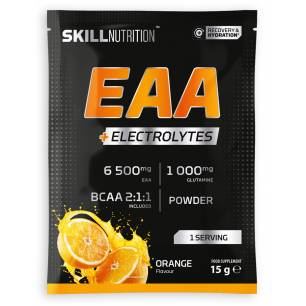
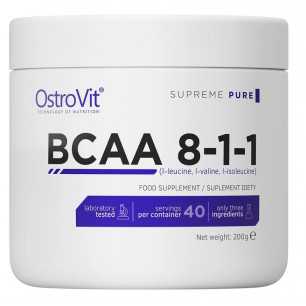
After a break, muscles respond more strongly to exercise. This is a normal part of adaptation and can be accompanied by more noticeable delayed-onset muscle soreness. BCAA and EAA amino acids are taken before, during or after training to support muscles while the body becomes accustomed to regular exercise again. They are particularly relevant during the first few weeks of restarting training if you have frequent consecutive sessions without long rest periods.
Magnesium
Magnesium is involved in muscle and nervous system function, and a deficiency may cause cramps, tiredness and poorer sleep quality – all particularly unwelcome when rebuilding your training routine. If you have had an active summer with plenty of sweating, magnesium deficiency by autumn may be more common than you expect. Many people take magnesium in the evening, which may also contribute to more restful, restorative sleep.
Electrolytes
Early autumn often remains warm, while training intensity may increase more quickly than your body can adapt when you return to exercise. Electrolytes help maintain fluid and salt balance during this transition, especially if you train outdoors or in a warm gym. As temperatures fall, the need for electrolytes usually decreases along with the amount you sweat.
How to Plan Your First Weeks of Autumn Training
Here is an example schedule for a gradual return to exercise in autumn:
- Weeks 1–2: 2 workouts per week, lower volume and intensity, with an emphasis on technique and warming up.
- Weeks 3–4: 2–3 workouts per week, gradually increasing weights or pace by approximately 10% each week.
- Weeks 5–6: return to your usual training volume, provided you feel well and have no pain in your joints or muscles.
This schedule is flexible and should be adapted to your original fitness level. It is intended as a guide rather than a strict rule.
For a smooth return to autumn training, SportFit.ee offers protein, BCAA/EAA amino acids, magnesium and electrolytes to suit different workloads, training routines and individual goals.
Frequently Asked Questions
How Long Does It Take to Get Back into Shape After a Summer Break?
Adapting usually takes between two and six weeks, depending on how long the break lasted and your previous fitness level. It is best not to try to shorten this period dramatically, as doing so may increase the risk of injury.
Do You Need to Start Taking Sports Supplements as Soon as You Return to Training in Autumn?
Not necessarily from the first day, but supplements such as protein, BCAA/EAA, magnesium or electrolytes may be useful from the start if your diet and routine have not yet fully recovered after summer.
How Can You Avoid Injuries When Returning to Training in Autumn?
The main factors are gradually increasing the workload, warming up properly and paying attention to your body's signals. Returning too quickly to your previous intensity is one of the most common causes of injury when restarting training.
Do You Still Need Electrolytes in Autumn Once the Hot Weather Has Passed?
If you are still exercising in warm conditions or sweating heavily, electrolytes remain relevant. In cooler weather, the need for them usually decreases.
How Many Times a Week Should You Train During the First Month After a Break?
Two or three sessions per week are usually enough for a steady return to fitness. At this stage, consistency matters more than the number of workouts.
Can You Take Protein, BCAA/EAA, Magnesium and Electrolytes Together?
Yes, these supplements serve different purposes and are generally compatible with one another. If your supplement routine feels excessive, you can start with one or two products that address your most noticeable need, such as protein or magnesium, and add others later.




Comments