



BCAA
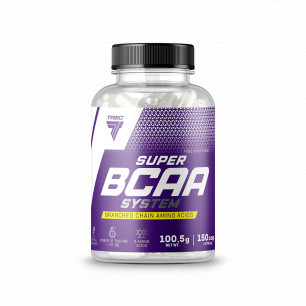
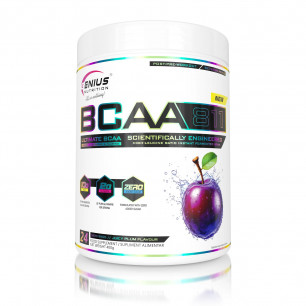
BCAA: leucine, isoleucine and valine for muscle recovery and protection. Powders, capsules and drinks. We explain honestly who needs the supplement and who will be fine with protein.
49 products
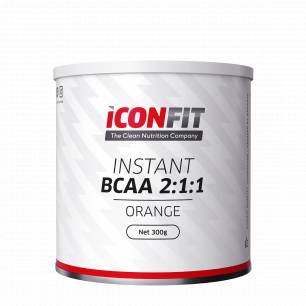
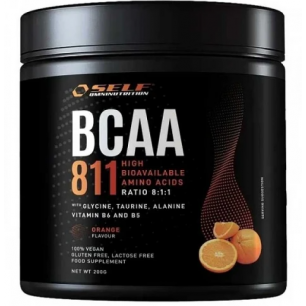
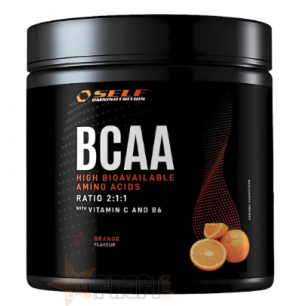
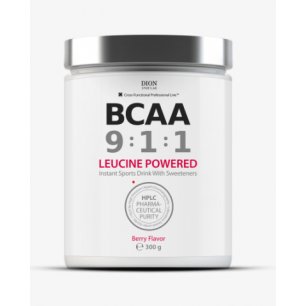

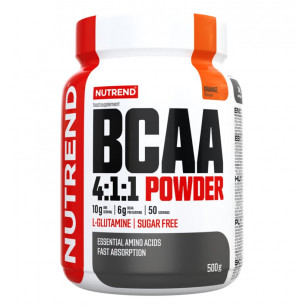
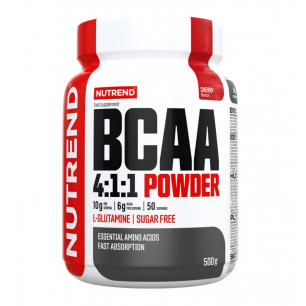
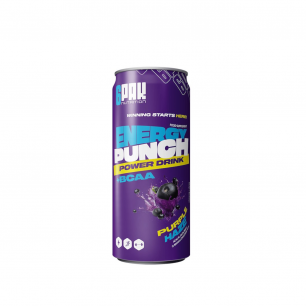
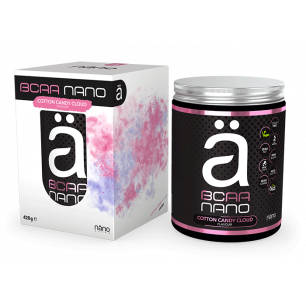
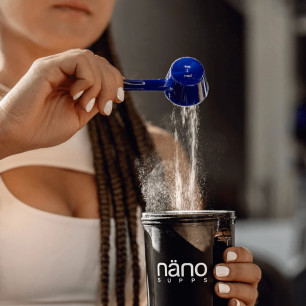
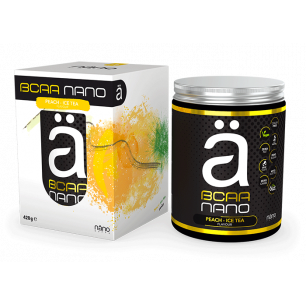
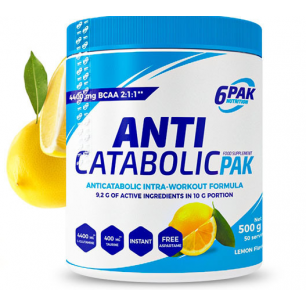
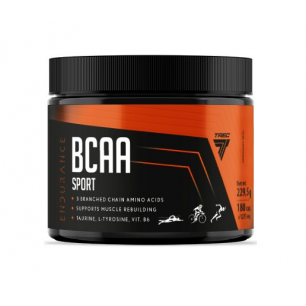
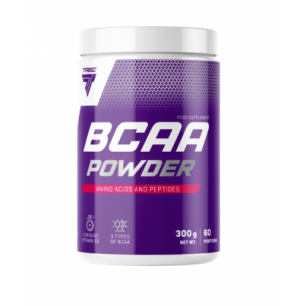
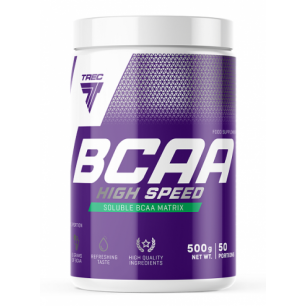
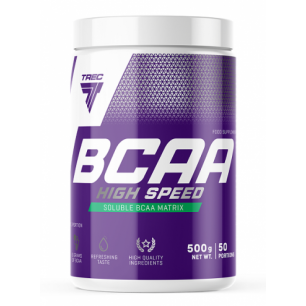
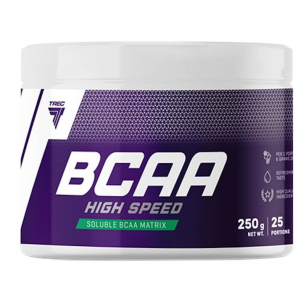
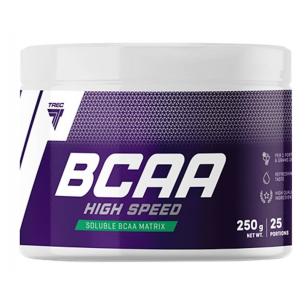
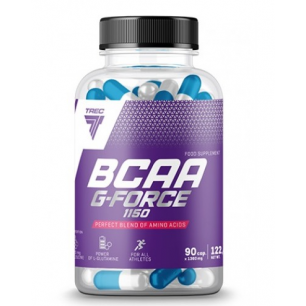
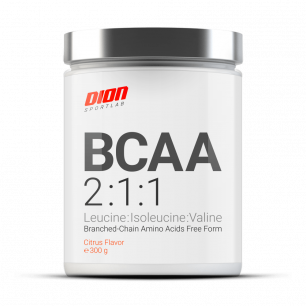
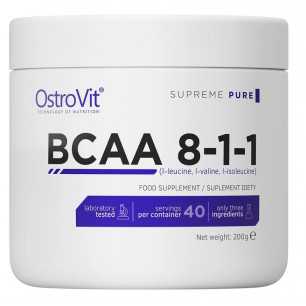
What is BCAA
BCAA stands for three essential branched-chain amino acids: leucine, isoleucine and valine. The body does not produce them on its own and gets them only from food or supplements. In muscles, these three amino acids make up a significant part of the total amino acid composition, and leucine also acts as a signal for starting muscle protein synthesis. Unlike most amino acids, BCAAs are processed not in the liver, but directly in the muscles, so during exercise they can be used as a quick source of energy. These properties are exactly what made BCAA one of the best-known sports supplements.
Do BCAAs actually work
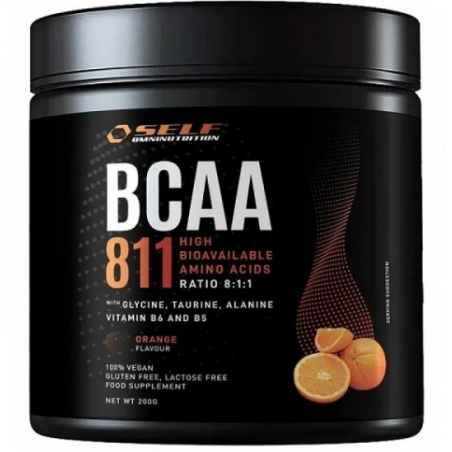
There are plenty of articles online saying that BCAAs are useless, and there is some truth in them. If you eat enough protein, around 1.6-2 g per kilogram of body weight per day, your muscles already receive all the amino acids they need, and extra BCAA will not give a noticeable boost. In this sense, protein comes first and BCAA comes second. But this does not mean the supplement is always useless. There are specific situations where BCAA makes sense, and we explain them below.
Who really benefits from BCAA
Fasten training. A morning run or strength session before breakfast happens when your reserves are low. A serving of BCAA before such a workout gives your muscles amino acids without the heavy feeling in the stomach that can come from a full meal or a protein shake.
Cutting and a strict calorie deficit. When the diet is restricted, the body is more likely to use muscle tissue. BCAA can help reduce these losses while adding almost no calories: around 20-25 per serving.
Long endurance sessions. Running, cycling, skiing, football. BCAA in a water bottle is easy to drink during a long session to support muscles and delay fatigue.
Heavy muscle soreness. Some studies show that taking BCAA can reduce muscle soreness after unusual or very high-volume exercise. The effect is not magic, but many people do feel it.
How to choose BCAA
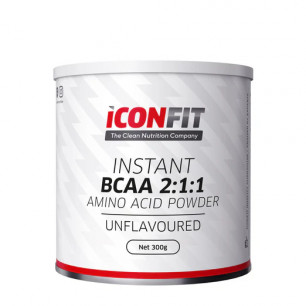
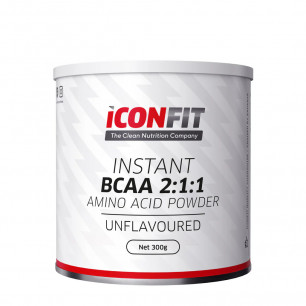
Amino acid ratio. The classic option is 2:1:1, where there is twice as much leucine as isoleucine and valine. This is the most studied version, and it is enough for most goals. Formulas such as 4:1:1 and 8:1:1 focus on leucine, but they have not shown convincing advantages over the classic ratio, so paying extra for them is not necessary.
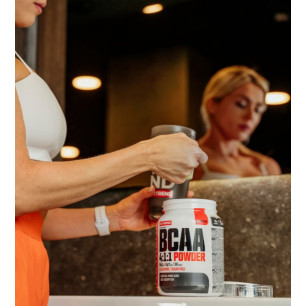
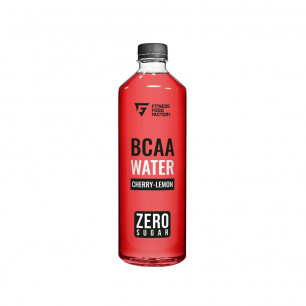
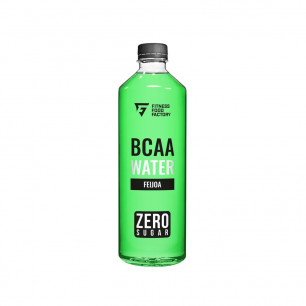
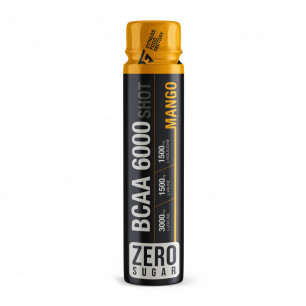
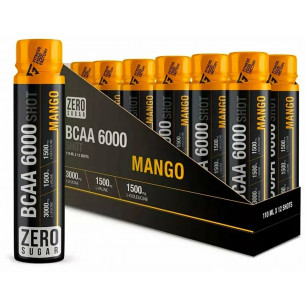
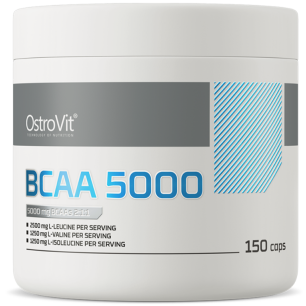
Form. Powder is better value per serving and convenient to drink during training. Capsules and tablets are useful for people who do not like the taste, and they are easy to take on the go. Ready-to-drink BCAA drinks are the simplest option, but also the most expensive when calculated per gram.
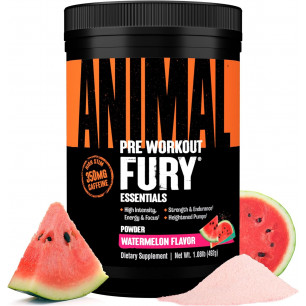
Taste. Pure BCAAs are noticeably bitter, so unflavoured powders are usually chosen by those who mix them with juice or other supplements. For drinking with water, flavoured versions are more convenient: citrus, watermelon, cola and other light refreshing options.
How to take BCAA
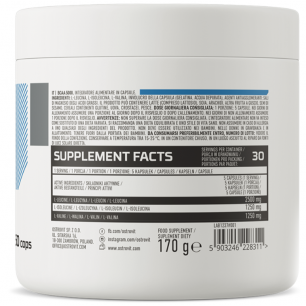
The standard serving on labels is around 5 g. It is usually taken before training, during training or immediately after. On rest days, it is not necessary if your diet contains enough protein. BCAA can be combined with creatine, protein and other supplements, as they do not conflict with each other. People with kidney or liver conditions, pregnant and breastfeeding women should consult a doctor before use.
BCAA or protein: what should I choose?
If choosing only one, choose protein: it contains all amino acids, including BCAA, and covers more needs. BCAA makes sense as an addition to protein in specific scenarios: fasted training, cutting and long cardio sessions.
BCAA or creatine: which is more effective?
These supplements have different purposes. Creatine increases strength and performance, and its evidence base is stronger. BCAA supports recovery and muscle protection. They can be taken together and combine well.
Can I drink BCAA every day?
Yes, in standard servings it is safe for a healthy person. The real question is whether it makes sense: on non-training days, with a normal diet, the supplement changes very little.
Does BCAA help with weight loss?
It does not burn fat by itself. Its role during weight loss is different: to help preserve muscle in a calorie deficit, so that weight is lost from fat rather than muscle mass. At the same time, a serving of BCAA contains almost no calories.
Why do people say BCAA is useless?
Because when there is enough protein in the diet, extra BCAA really adds very little. The criticism is fair for people who eat plenty of protein and train in a normal routine. For fasted training, cutting and long cardio, the supplement has practical use cases.
When is it better to drink BCAA: before or after training?
Studies have not found a major difference, as the total amount of amino acids during the day matters more. A convenient approach is to take it before fasted training or during a long session, mixing the powder in a water bottle.