



Protein for Women: Do You Need It Without Exercise and How Do You Choose?

Protein powder is no longer something used exclusively by bodybuilders. Today, people add it to smoothies, porridge, yoghurt and homemade desserts, and protein shakes are part of the diets of both athletes and women who simply pay attention to what they eat. Yet the same questions remain: do you need protein powder without exercise, can it help with weight loss, and are special formulas labelled “for women” worth buying?
In reality, protein is simply a nutrient. It is the same dietary component we obtain from eggs, fish, meat, dairy products and pulses. The difference is the format: protein powder makes it possible to get an additional serving of protein without preparing a full meal. Let's explore who may find it useful, how much protein the body needs and how to choose a product without relying on exaggerated promises.
What Is Protein and Why Do Women Need It?
Protein is one of the main nutrients. It consists of amino acids that the body uses to build and renew its own tissues.
Women need protein whether or not they exercise. Protein contributes to the maintenance of muscle mass and normal bones. In the European Union, these properties are included among authorised health claims for protein, provided the product meets the applicable conditions.
Protein powder does not have a special mechanism of action just for women. It is a concentrated source of dietary protein that can help supplement a diet when ordinary food does not provide enough to meet individual requirements.
Do Women Need Protein Powder Without Exercise?
Yes, you can use protein powder without exercising, but that does not mean you necessarily need it. Your body uses protein every day, even if you never visit a gym.
The main question is how much protein you already get from food. If your diet regularly includes eggs, fish, meat, cottage cheese, yoghurt, pulses and other protein-rich foods, an additional shake may be completely unnecessary.
Protein powder can be convenient if your meals are irregular, you have little time to cook or you find it difficult to reach your protein needs through your usual diet. For example, you could add it to breakfast or make a shake between meals.
However, it does not replace a varied diet. Ordinary foods provide vitamins, minerals, fats, fibre and other essential nutrients alongside protein.
How Much Protein Does a Woman Need Each Day?
Protein requirements depend primarily on body weight, physical activity and individual circumstances.
The European Food Safety Authority (EFSA) has established a population reference intake for healthy adults of 0.83 g of protein per kilogram of body weight per day. This is a reference value for ordinary physiological needs, not a specific target for athletes.
For example, at a body weight of 60 kg, this works out at approximately 50 g of protein a day, while at 70 kg it is approximately 58 g. Women who exercise regularly may need more. Sports nutrition research commonly considers a range of approximately 1.4–2.0 g per kilogram of body weight per day for most training individuals.
It is important to count all the protein consumed throughout the day: from regular food, drinks, protein bars and powdered supplements. If your meals already provide enough protein, an additional shake is not compulsory.
Requirements may differ during pregnancy, breastfeeding, certain medical conditions or specialised dietary patterns. In such cases, individual advice from a healthcare professional is appropriate.
Does Protein Help with Weight Loss?
Protein powder does not burn fat or automatically cause weight loss. Changes in body weight are primarily related to overall energy balance: the energy obtained from food compared with the energy the body uses.
However, eating enough protein can be an important part of a well-planned diet during weight loss. Protein-rich foods can help create more balanced meals, while protein contributes to maintaining muscle mass.
For example, a protein shake might replace a snack with a less suitable nutritional profile or add protein to a breakfast containing very little. But if you simply add a shake to your existing diet, its calories still count.
That is why labels such as Slim, Diet or Fit should not determine your choice. It is more useful to check protein content, overall calories, sugars, fats and the actual ingredient list.
Which Protein Should You Choose: Concentrate, Isolate or Plant-Based?
Several types of protein powder are available. The main differences involve the protein source, degree of processing, additional ingredients and individual tolerance.
Whey Protein Concentrate
Whey protein concentrate is made from milk whey. It provides a complete milk protein containing all essential amino acids, including leucine.
Alongside protein, concentrate usually contains some lactose and fat. Exact amounts vary between products, so it is important to check the nutritional information.
For most people who tolerate dairy products well, whey protein can be a practical everyday option.
Whey Protein Isolate
Whey protein isolate undergoes additional processing and usually contains a higher proportion of protein, less fat and less lactose than concentrate.
It may suit people who pay particular attention to ingredients or prefer formulas with less lactose. However, isolate does not necessarily deliver better results if you already consume enough good-quality protein overall.
If you are lactose intolerant, always check the specific product label: not every isolate is completely lactose-free. You can compare products in the Protein Isolate category.
Plant-Based Protein
Plant-based protein is produced from peas, soya, rice and other plant sources. Such products can suit people avoiding dairy ingredients or following a vegan diet.
The amino acid composition of plant proteins can vary. For example, soya protein contains all essential amino acids, while blended formulas may combine several plant protein sources.
When choosing a product, check the amount of protein per serving and the overall ingredients. The Vegan Protein category offers different plant-based options to compare.
Is There a Difference Between Protein for Women and Men?
Words such as Women, Lady, Slim or Fit on the packaging do not mean the product contains a fundamentally different type of protein. Women and men need the same essential amino acids.
Manufacturers may distinguish these products through flavours, serving sizes, calories or added ingredients. For example, some formulas include vitamins, fibre or botanical extracts.
But if the goal is simply to supplement your dietary protein intake, ordinary good-quality whey or plant-based protein is also suitable for women. There is no need to pay more solely because a product is labelled “for women”.
When Should You Take Protein and How Much?
For most people, the total amount of protein consumed over the day matters more than the precise timing of a shake.
A serving of protein powder is often around 25–35 g of product, but the actual protein content can vary considerably. For example, 30 g of powder does not necessarily mean 30 g of protein: depending on the formula, it might provide approximately 20–25 g or another amount.
Protein can be used in the morning, between meals or after exercise. It can also be added to porridge, yoghurt, smoothies and homemade desserts. On rest days, a shake is perfectly acceptable if it helps complement your usual diet.
You do not need to drink protein shakes several times every day. Start by assessing your normal diet and choose a serving based on how much protein you actually need to add.
How to Read a Protein Powder Label Before Buying
Focus on the information on the packaging rather than the marketing name.
- Protein per serving. Compare the actual protein content, not just the scoop size.
- Protein per 100 g. This makes it easier to compare products with different serving sizes.
- Protein source. Whey concentrate, isolate, soya, pea or a blend of several sources.
- Sugars, fats and calories. Particularly important if you monitor your overall diet.
- Sweeteners and flavourings. Choose according to your preferences and tolerance.
- Allergens. Check for milk, soya and other ingredients if you have dietary restrictions.
- Cost per serving of protein. A larger tub is not always better value if each serving contains less protein.
How to Choose Protein at SportFit.ee
The Protein category at SportFit.ee includes a range of protein blends for everyday nutrition and sports diets.
If you tolerate dairy products well and are choosing protein powder for the first time, start by comparing whey concentrates. If reducing lactose matters, look at isolates and their labels. If dairy is unsuitable, consider plant-based blends.
For home baking, porridge and smoothies, flavour and sweetness also matter: some products already contain sweeteners, so additional sweet ingredients may not be necessary.
The main principle is simple: the best protein is the one that suits your diet, tolerance and ingredient preferences, not the one with the biggest promises on its packaging.
Frequently Asked Questions
Can You Drink Protein Shakes Without Exercising at All?
Yes. Protein powder is a dietary source of protein. It can be useful without exercise if your usual meals do not provide enough. If you already meet your requirements through food, a supplement is unnecessary.
Can Protein Powder Make You Gain Weight?
Body weight changes depend on total calorie intake and other factors. Protein shakes also contain calories, so they should be included in your daily food intake.
Can Protein Powder Replace Breakfast or Dinner?
Ordinary protein powder is not a complete substitute for a varied meal. It may contain plenty of protein but insufficient fibre, fats, vitamins and other nutrients.
Which Protein Is Best for Lactose Intolerance?
You can consider appropriately labelled isolates or plant-based proteins. Always check the exact ingredients, as the lactose content of isolates varies.
Do Women Need Special Protein Powder?
No. Regular whey or plant-based protein is suitable for women too. The protein source, quantity, extra ingredients and individual tolerance matter more.
Do You Have to Take Protein Every Day?
Not necessarily. You can use it on days when it helps you meet your protein needs. If your diet already provides enough protein, an additional shake is not required.
Which Is Better for Beginners: Concentrate or Isolate?
If you tolerate dairy well, whey concentrate is often a practical first choice. Isolate may be preferable if you want less lactose and fat, but the best option depends on the particular product.
Related products
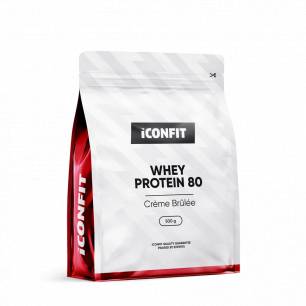
Whey Protein 80, Creme Brule - 500g
€27.90 View product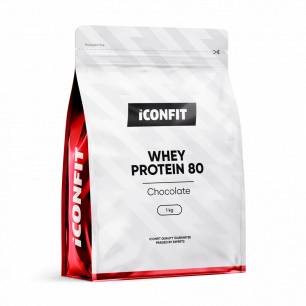
Whey Protein 80, Chocolate - 1kg
€53.90 View product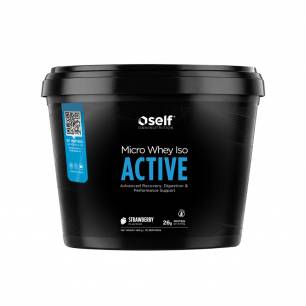
Micro Whey Iso Active, Strawberry - 900 g
€47.50 View product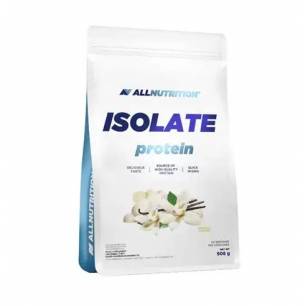
ISOLATE PROTEIN, vanilla - 908 g
€55.50 View product
VEGAN PROTEIN, chocolate - 1000 g
€22.52 View product
Comments