



Creatine for Beginners: How Much to Take, When to Use It and What Results to Expect

Creatine is one of the most extensively studied sports supplements, yet it raises a surprising number of questions. How many grams should you take? Do you need it before a workout? What is a loading phase, and can you skip it? Most importantly, how long does it take to see results?
For beginners, the answer is much simpler than it might seem. You do not need to buy an expensive form of creatine or follow a complicated routine. What matters more is understanding which types of exercise it is suited to, how much creatine each serving provides and why consistency is more important than the exact time you take it.
What Is Creatine and What Does It Do?
Creatine is a substance that occurs naturally in the body. It is produced from amino acids, obtained from certain foods such as meat and fish, and stored mainly in the muscles.
In muscles, creatine helps support the rapid regeneration of ATP, the main energy source for muscular contractions. This system is particularly important during short, intense efforts such as heavy sets, sprints and repeated explosive movements.
In the European Union, an authorised health claim states that creatine increases physical performance in successive bursts of short-term, high-intensity exercise. The beneficial effect is associated with a daily intake of 3 g of creatine in adults performing high-intensity exercise.
However, creatine does not replace proper training, sleep or nutrition. It is not a stimulant and does not work like an energy drink.
Who Is Creatine For, and Do Beginners Need It?
Creatine may be relevant to more than just experienced athletes. The type of exercise matters more than how many years you have been training.
If you do resistance training, perform high-intensity sets or participate in sports involving repeated sprints, creatine may be a useful addition to your training routine.
Its advantages are less pronounced for leisurely walking and predominantly long-duration, low-intensity exercise. If you are completely new to exercise, establishing a regular training routine and balanced diet should come first.
Which Creatine Should You Choose: Monohydrate, HCl or Other Forms?
Shops sell several forms of creatine, including monohydrate, hydrochloride (HCl), buffered creatine and multi-ingredient blends. Their names and prices vary, but a more complicated formula does not necessarily mean better results.
Creatine monohydrate. The most thoroughly researched form, supported by numerous studies. For most beginners, it is a sensible choice in terms of scientific evidence, price and convenience.
Micronised creatine. Usually the same monohydrate, but with smaller powder particles. It may mix more easily into liquids, although it has not been shown to produce superior training results simply because it is micronised.
Creatine HCl. A form of creatine bound to hydrochloric acid. It differs in solubility, but there is insufficient convincing evidence that it improves exercise performance more effectively than monohydrate.
Buffered creatine, such as Kre-Alkalyn. Marketed as an alternative form, but available research does not demonstrate that buffering makes creatine more effective than regular monohydrate.
Powder, capsules, tablets or gummies. These are primarily different ways to consume creatine. Compare the amount of creatine per recommended serving, additional ingredients and the actual cost per dose.
How Many Grams of Creatine Should You Take Each Day?
Studies in adults commonly use daily intakes of approximately 3–5 g of creatine or creatine monohydrate, depending on the protocol. Beginners generally do not need to increase their intake beyond the directions on the product label.
It is important to distinguish the weight of creatine monohydrate from the weight of creatine itself. Pure monohydrate is approximately 88% creatine by weight: for example, 5 g of creatine monohydrate provides about 4.4 g of creatine.
Check both the serving size and the active ingredient content on the packaging. This matters particularly for flavoured powders, capsules, tablets and gummies, where the weight of a serving may include other ingredients.
Follow the instructions for the specific product. If you have a chronic medical condition or take medication, discuss a suitable approach with a healthcare professional.
Do You Need a Creatine Loading Phase?
Loading is an approach where larger amounts of creatine are taken for several days to increase muscle creatine stores more quickly.
A commonly studied protocol uses approximately 20 g of creatine monohydrate per day, divided into four servings, for 5–7 days. This is followed by a maintenance intake of approximately 3–5 g a day.
However, loading is not essential. Regular use of smaller daily servings also increases muscle creatine stores, although gradual saturation may take around 3–4 weeks.
Beginners may find it easier to follow the instructions on their chosen product consistently rather than use large doses without professional guidance. A loading phase can cause more gastrointestinal discomfort.
When Should You Take Creatine: Before or After a Workout?
With creatine, consistency matters more than a particular time of day. Unlike caffeine, its effect is not associated with a temporary feeling of alertness after one serving.
You can take creatine whenever it fits your routine: with breakfast, lunch or after training. If remembering to take it with a regular meal is easier, that is a perfectly reasonable option.
Creatine is also taken on rest days when following a daily supplementation routine. The aim is to maintain increased creatine stores in the muscles, rather than obtain an effect exclusively on workout days.
How Long Does Creatine Take to Work?
The time frame depends on the dosing approach and individual factors. With loading, muscle creatine stores rise more quickly, usually within the first week. Without loading, gradual saturation may take approximately 3–4 weeks.
This does not mean everyone will automatically lift heavier weights or notice visible changes in their appearance after that time. Training outcomes depend on the programme, starting fitness level, nutrition, recovery and consistency.
For this reason, judging creatine by how you feel after the first serving is not particularly useful. It is not a pre-workout stimulant; its effects are associated with changes in muscle creatine stores.
How to Take Creatine: Water, Meals and Protein
Creatine powder can be mixed with water or another suitable drink. You do not have to take it on an empty stomach. If taking it with a meal is more convenient or easier on your stomach, that is also an option.
Creatine can be combined with protein supplements: they are different substances with different functions. Protein helps you meet your dietary protein needs, while creatine plays a part in the muscles' rapid energy system.
Drink water according to your thirst, training conditions and sweat losses. There is no need to force yourself to consume excessive amounts of water simply because you take creatine.
Possible Side Effects and Precautions
Creatine monohydrate has been extensively researched and is generally well tolerated by healthy adults at studied intakes. Individual reactions are still possible.
Some people experience digestive discomfort, especially when taking large servings at once. Body weight may also increase because of changes in water content within the muscles. This should not automatically be interpreted as an increase in body fat.
If you have kidney disease, are pregnant or breastfeeding, take medication affecting kidney function, or have other medical concerns, discuss creatine with your doctor before using it. Minors should also avoid starting sports supplements independently without professional advice.
How to Choose Creatine at SportFit.ee
The Creatine category at SportFit.ee includes several formats: unflavoured monohydrate, flavoured powders, micronised creatine, capsules and chewable products.
For your first purchase, compare three things: the form of creatine, the amount of active ingredient per serving and the other ingredients. If you want the best-researched option without a complicated formulation, start by comparing standard monohydrate products.
Do not judge a product only by the size of its container: similar-sized servings can provide different amounts of creatine. Always check the manufacturer's directions and conditions of use.
Frequently Asked Questions
Should You Take Creatine Every Day?
Under a standard daily supplementation routine, yes, including on days without exercise. Consistent use helps maintain muscle creatine stores. Follow the product instructions and consider any personal restrictions.
Can You Take Creatine with Protein Powder?
Yes. You can use them on the same day and mix them in one drink if the product instructions allow it. Protein and creatine serve different purposes.
Do You Need to Cycle Creatine?
Mandatory cycles with breaks are not a necessary feature of the studied creatine monohydrate protocols. The duration of use should take account of your health, training goals and product directions.
Does Creatine Cause Water Retention?
Body weight sometimes increases during creatine use, partly because of water associated with muscle tissue. This is not the same as an increase in body fat.
Can Women Take Creatine?
Creatine has been studied in both men and women. Its relevance depends on the type of physical activity, not simply on sex. Individual circumstances should still guide the decision.
What If You Miss a Day?
Return to your normal routine the following day, according to the product instructions. There is no need to double your serving to make up for a missed day.
Is Creatine Worth Taking If You Do Not Exercise?
The EU-authorised claim about improved physical performance applies to adults performing high-intensity exercise. Without this type of activity, you should not expect the same exercise-related benefit.
Related products

Creatine Monohydrate, unflavored, 300 g
€10.12 View product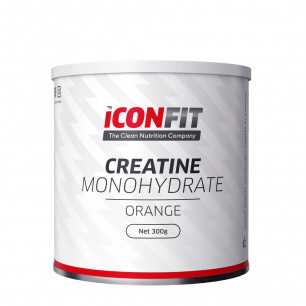
Creatine Monohydrate Orange, 300g
€10.12 View product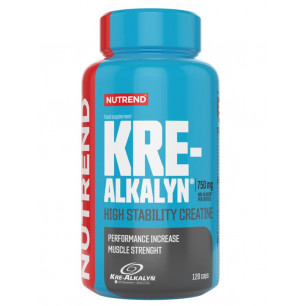
KRE-ALKALYN, 120 capsules
€27.63 View product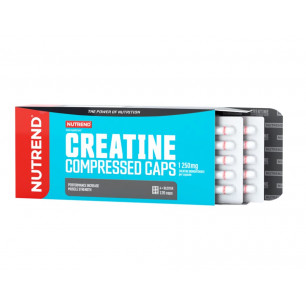
Creatine compressed caps, N120
€23.63 View product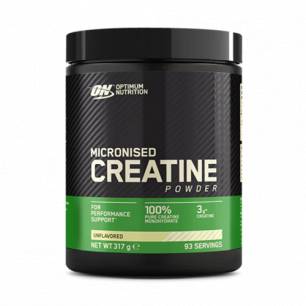
Micronised Creatine Powder, Unflavoured - 317 g
€21.16 View product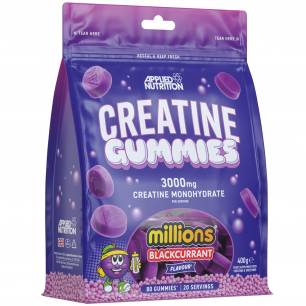
Comments