



Marine vs Bovine Collagen: Types I and II Explained and How to Choose

Marine or bovine collagen? Type I or type II? Powder, capsules or a ready-to-drink shot? Collagen supplements come with so many labels that choosing one can feel confusing. Yet a larger serving or a bold marketing promise does not necessarily make one product better than another.
This guide explains collagen types, differences between sources, hydrolysis and serving sizes. We will also look at the evidence behind collagen supplementation and the details worth checking before buying.
What Is Collagen and What Does It Do in the Body?
Collagen is a structural protein found in skin, bones, tendons, ligaments and cartilage. The body contains several collagen types with different structures and locations.
Your body produces collagen from amino acids. Vitamin C is among the nutrients needed for normal collagen formation. Collagen consumed through food or supplements does not travel unchanged directly to the skin or joints: digestion breaks proteins down into amino acids and smaller peptides.
Marine vs Bovine Collagen: What's the Difference?
Marine collagen comes from fish materials such as skin and scales. It commonly consists mainly of type I collagen. Its fish origin is particularly important for people with fish allergies.
Bovine collagen comes from cattle tissues. Hydrolysed products frequently contain components derived from types I and III, although the exact composition depends on the source and processing.
There is not enough evidence to claim that marine collagen is always better than bovine collagen, or vice versa. Source, processing, amount per serving, tolerance and ingredient transparency matter more.
Compare products in the Collagen category or explore fish-derived products in Marine Collagen.
Collagen Types I, II and III: What Do They Mean?
Type I is one of the most abundant types of collagen in the body and is found in skin, tendons and bones.
Type II is especially associated with cartilage. Native or undenatured type II collagen differs structurally from ordinary hydrolysed collagen peptides and has been investigated using different approaches.
Type III occurs in skin and other soft tissues, often alongside type I.
However, the type listed on a supplement does not mean that the collagen will automatically reach that particular tissue. Hydrolysed collagen and undenatured type II collagen should not be treated as interchangeable ingredients.
What Are Hydrolysed Collagen and Collagen Peptides?
Hydrolysis breaks larger protein molecules into shorter chains. The resulting ingredient is commonly called hydrolysed collagen or collagen peptides.
These ingredients are found in many collagen powders, capsules and liquids. The term “hydrolysed” describes processing, not a guaranteed effect on skin or joints.
Check the original source, collagen amount per serving and any added ingredients rather than relying solely on the word “peptides”.
What Does Research Say About Collagen for Skin and Joints?
Collagen supplements have been studied for skin-related measurements and various joint outcomes. Some small studies reported changes in skin hydration or elasticity, but the overall findings are mixed.
A 2025 systematic review found that positive skin findings were less convincing in higher-quality studies and studies without manufacturer funding. This means claims of guaranteed wrinkle reduction or skin improvement are not justified.
Studies involving joints also vary in collagen type, dosage, participants and outcomes. Collagen supplements should not be presented as treatments for joint diseases or as products proven to rebuild cartilage.
It is more useful to view collagen as a dietary ingredient with an evolving evidence base than as a guaranteed anti-ageing solution.
How Much Collagen Should a Serving Contain?
Labels may show 2,000 mg, 5,000 mg, 10,000 mg or even 12,500 mg. These correspond to 2 g, 5 g, 10 g and 12.5 g.
Studies of hydrolysed collagen have used various amounts, often from a few grams to around 10 g a day. There is no universal scientifically established dose for every purpose, and higher amounts do not guarantee better outcomes.
Always check whether the quantity refers to one capsule, several capsules, one scoop or an entire bottle. Research on undenatured type II collagen may use considerably smaller quantities than studies of hydrolysed peptides, so comparing these products simply by grams is misleading.
Follow the instructions for the specific product and do not increase servings independently.
Collagen Powder, Capsules or Liquid: Which Format Is Best?
Powder can be mixed into water, other drinks or food. Both unflavoured and flavoured products are available.
Capsules may appeal to people who dislike powdered drinks. However, obtaining several grams of collagen may require multiple capsules.
Liquid collagen and shots provide ready-to-use servings. Compare collagen per bottle, sugars, sweeteners and other ingredients.
The format itself does not establish superior effectiveness. Ingredients and cost per actual serving are more meaningful.
Why Do Some Collagen Products Contain Vitamin C or Hyaluronic Acid?
Vitamin C contributes to normal collagen formation for the normal function of skin, bones and cartilage. The corresponding claims are authorised in the European Union when the product meets the relevant conditions.
Importantly, these authorised claims relate to vitamin C, not automatically to the collagen peptides sold alongside it.
Hyaluronic acid is another common ingredient in blends, but adding an ingredient does not guarantee a better outcome. Check each amount and consider whether other supplements already provide the same vitamins.
How to Choose Collagen at SportFit.ee
When browsing the Collagen category, compare five things:
- Source. Fish or cattle; account for allergies and dietary restrictions.
- Form. Hydrolysed peptides or a separate undenatured collagen ingredient.
- Amount. Collagen per recommended serving, not just per container.
- Additional ingredients. Vitamin C, flavourings, sweeteners and other components.
- Value. Cost per recommended serving and convenience of use.
For fish-derived options, visit Marine Collagen. Powder and capsule products from OstroVit and ready-to-drink Swedish Nutra shots illustrate the range of formats.
Collagen supplements do not replace a varied diet or adequate intake of complete dietary protein.
Frequently Asked Questions
Which Is Better: Marine or Bovine Collagen?
Neither source is universally better. Consider ingredients, allergies, dietary restrictions and the specific format.
Is Type I Collagen Better Than Type II?
They are different protein types. It is particularly important to distinguish hydrolysed peptides from undenatured type II collagen.
Can You Take Collagen with Protein Powder?
They can generally be included in the same diet according to product instructions. However, collagen is not a complete substitute for whey or other high-quality dietary proteins.
Should You Take Collagen in the Morning or Evening?
There is no convincing evidence that one time of day is superior. Follow the directions and choose a convenient routine.
How Long Does Collagen Take to Work?
Studies often lasted weeks or months, but there is no guaranteed time frame or outcome. Evidence for skin-related effects remains mixed.
Do You Need Collagen If You Eat a Balanced Diet?
Not necessarily. Your body produces collagen when it has the nutrients needed for normal synthesis.
Is Marine Collagen Suitable for People with Fish Allergies?
Fish-derived marine collagen may be unsuitable. Check allergen labelling and speak with a healthcare professional.
Related products

Marine Collagen, natural -200g
€22.51 View product
Collagen + Vitamin C, natural - 400 g
€17.79 View product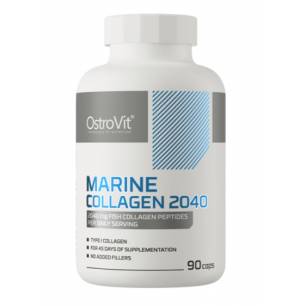
Marine Collagen 2040 mg - 90 capsules
€14.90 View product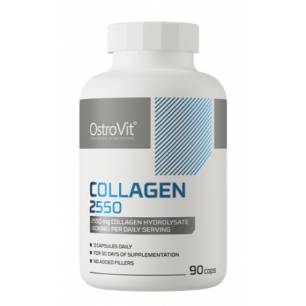
Collagen 2550 mg - 90 capsules
€8.90 View product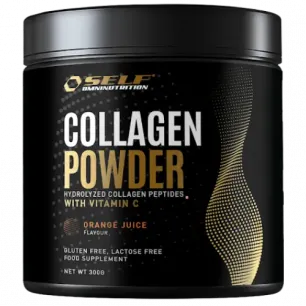
Collagen Powder + Vitamin C, orange - 300 g
€29.90 View product
Marine Collagen, 12500 mg, shot – 25 ml
€2.70 View productWas this article helpful?
Read also

Omega-3: How to Choose a Supplement, EPA vs DHA and How Much to Take

Collagen in Summer: Sun Exposure, Skin Dehydration and Supporting Your Skin from Within
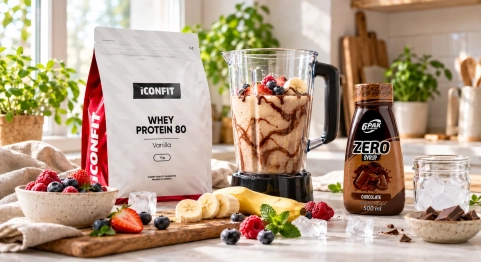
Cold Protein Recipes for Hot Weather: Smoothies, Ice Cream and No Added Sugar Ice Lollies
Comments