



Collagen in Summer: Sun Exposure, Skin Dehydration and Supporting Your Skin from Within

During summer, your skin faces extra challenges: sunshine, heat, salt water or chlorinated swimming pools, air conditioning and a more active lifestyle. These factors can increase skin dryness and disrupt its natural moisture balance, leaving it feeling tight, dull and less elastic. Collagen often comes up in summer skincare discussions as a possible addition to your diet while environmental factors put extra stress on your skin.
Why Does Skin Become More Dehydrated in Summer?
Dry or dehydrated skin in summer is rarely caused by just one factor. It is usually a combination of several influences:
- ultraviolet radiation damages the skin and may disrupt its protective barrier;
- heat and sweating increase fluid loss from the body;
- salt water and chlorinated swimming pool water may dry the skin with frequent exposure;
- air conditioning reduces indoor humidity, while airflow from fans may increase moisture evaporation from the skin's surface;
- people sometimes forget to drink enough fluids regularly in hot weather.
As a result, the skin may lose moisture more quickly than usual, which can become noticeable through tightness, flaking and reduced elasticity.
What Is Collagen and Why Does It Matter for Skin?
Collagen is a structural protein that forms part of the skin's supporting framework and plays an important role in maintaining its firmness and elasticity. The processes involved in collagen production and renewal change with age, while ultraviolet radiation can contribute to damage to existing collagen fibres.
This is why strong summer sunlight affects the skin in several ways: it may disrupt the protective barrier, increase dryness and contribute to premature skin ageing.
Collagen and Skin Dehydration: How Are They Connected?
Collagen does not directly bind water in the same way as hyaluronic acid, but it is an important part of the skin's structure. The condition of collagen fibres influences skin firmness and elasticity, while a lack of moisture may make dryness and fine lines more noticeable.
It is important to understand that taking collagen does not replace adequate hydration, moisturising skincare or UV protection. Some studies of collagen peptides have reported possible improvements in certain measures of skin condition, but findings are mixed and depend on the product formulation, dosage and duration of use.
Collagen should therefore be regarded as a possible dietary supplement rather than a standalone solution for dehydrated skin.
How to Support Your Skin from Within During Summer
Several practical steps work best together rather than individually:
- Maintain a sensible drinking routine. Adequate fluid intake is essential for normal bodily functions. If you become dehydrated, you need to replace lost fluids, while moisturising skincare can help relieve dryness on the skin's surface.
- Consider collagen as a dietary addition. Powder, capsules and ready-to-drink collagen shots are different supplement formats. Your choice should depend on the ingredients, personal preferences and manufacturer's instructions.
- Pay attention to vitamin C. Vitamin C contributes to normal collagen formation for the normal function of skin. It can be obtained from food and, when appropriate, dietary supplements.
- Do not forget healthy fats. Omega-3 and other unsaturated fatty acids form part of a balanced diet. Food sources include fish, nuts and seeds.
- Keep added sugar in moderation. In summer, aim for a varied diet and avoid excessive consumption of sugary drinks and desserts.
- Protect your skin externally from the sun. Broad-spectrum sunscreen, suitable clothing and spending time in the shade help reduce UV exposure.
Who Might Be Interested in Collagen During Summer?
Interest in collagen often increases among people who pay particular attention to their skin during summer. These may include:
- people who spend a lot of time outdoors in the sun, whether at the beach, on holiday or exercising outside;
- those who regularly swim in the sea or swimming pools, where salt water and chlorine may contribute to dryness;
- people who already use dietary supplements such as vitamins, omega-3 or electrolytes and are considering collagen as another addition to their diet;
- people interested in age-related skin changes and maintaining balanced nutrition.
However, collagen is not an essential supplement for any of these groups. There is no reliable basis for claiming that they will necessarily experience more noticeable benefits from collagen during summer.
What to Look for When Choosing Collagen in Summer
When comparing collagen products, look beyond the word “collagen” on the packaging and consider the details:
- Collagen type and source – marine, bovine or another origin, depending on your preferences, dietary requirements and potential allergies;
- Dosage per serving – compare the amount of collagen in grams or milligrams and follow the manufacturer's directions;
- Additional ingredients – vitamin C, biotin and hyaluronic acid may be included in combination supplements. Pay attention to their individual amounts;
- Format – powders for drinks, convenient capsules or ready-to-drink shots that require no mixing;
- Sugar content – especially if you consume collagen daily as a sweetened drink.
Ready-to-drink collagen shots can be particularly convenient during travel and outdoor activities because the serving is already prepared. However, always check storage instructions and permitted temperatures, especially during hot weather.
Summer Skincare: More Than Supporting Your Skin from Within
A complete approach to summer skincare combines different habits. Alongside balanced nutrition and sufficient fluids, it is important to use moisturising products, protect your skin from the sun and take your individual skin needs into account.
In SportFit.ee's body care category, you can explore various products intended for everyday skincare. Sunscreen should be selected separately and applied according to the product instructions.
Neither collagen nor any other dietary supplement replaces SPF protection. Avoiding excessive ultraviolet exposure and using appropriate external skincare are essential for helping prevent sun-related skin damage.
Frequently Asked Questions
Can You Take Collagen Every Day During Summer?
Yes, if daily use is recommended by the manufacturer and the product's ingredients are suitable for you. Follow the recommended dosage. Collagen does not replace a varied diet or adequate fluid intake.
Does Collagen Help with Sunburn?
Collagen is not a treatment for sunburn and cannot replace SPF protection. Sunscreen, protective clothing and limiting exposure to intense sunlight are important for preventing sunburn.
How Long Does It Take to Notice Results from Collagen?
Some studies have assessed changes in certain measures of skin condition after several weeks of regular collagen peptide supplementation. However, noticeable results are not guaranteed, and the findings remain mixed.
Do You Need to Drink More Water When Taking Collagen?
Taking collagen does not normally mean you need to increase your water intake specifically because of the supplement. However, hot weather may increase fluid requirements through sweating, so adequate hydration remains important regardless of supplement use.
Which Collagen Format Is Best: Powder, Capsules or Shots?
The choice depends on convenience, ingredients and dosage. Powder is suitable for making drinks at home, capsules can be taken without mixing, and ready-to-drink shots may be practical for travel and outdoor activities when stored correctly.
Can You Combine Collagen with Other Summer Supplements?
Collagen can be included in a diet alongside vitamin C, omega-3 and electrolytes, but suitability depends on the ingredients of the individual products and personal circumstances. When combining supplements, check doses and package warnings to avoid excessive intake of particular nutrients.
Related products
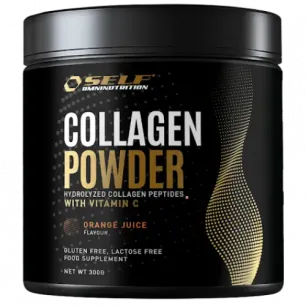
Collagen Powder + Vitamin C, orange - 300 g
€29.90 View product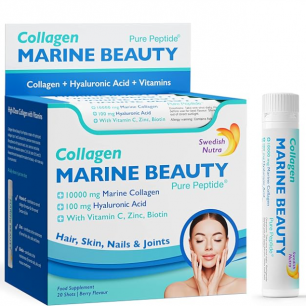
Collagen Marine Beauty Shot, 25ml
€2.29 View product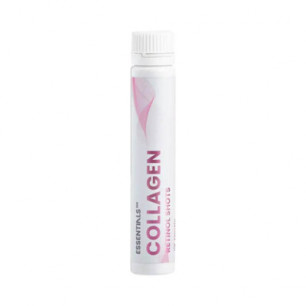
Collagen shot with retinol - 25 ml
€2.00 View product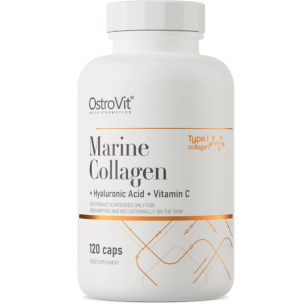
Marine Collagen + Hyaluronic Acid + Vitamin C - 120 capsules
€17.91 View product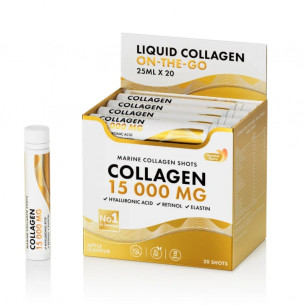



Comments