



Magnesium Citrate vs Glycinate vs Malate: Which Form Should You Choose?

Magnesium citrate, glycinate, bisglycinate or malate? Supplement labels contain plenty of different names. Some manufacturers emphasise absorption, while others associate their products with sleep or energy. But is there one best type of magnesium? And why doesn't “magnesium citrate 680 mg” necessarily mean 680 mg of magnesium?
This guide explains the differences between common magnesium compounds, how to read supplement labels and what matters when choosing. The key is to compare elemental magnesium, tolerance and the recommended serving rather than marketing claims.
Why Does the Body Need Magnesium?
Magnesium is an essential mineral involved in many physiological processes. It contributes to normal muscle and nervous system function, normal energy-yielding metabolism and electrolyte balance.
In the European Union, magnesium also has an authorised health claim concerning the reduction of tiredness and fatigue, provided the product meets the conditions of use.
Dietary sources include nuts, seeds, pulses, wholegrains and green leafy vegetables. Supplements may help complement dietary intake, but they are not essential for everyone.
Magnesium Citrate: What Makes It Different?
Magnesium citrate is a compound of magnesium and citric acid. It dissolves relatively well and has shown better bioavailability than magnesium oxide in some studies.
In larger amounts, citrate may cause looser stools or digestive discomfort in some people. This depends on the individual and the serving size.
When comparing citrate supplements, check the amount of elemental magnesium provided by the recommended serving.
Magnesium Glycinate vs Bisglycinate
Magnesium glycinate is a broad name for compounds involving magnesium and the amino acid glycine. Bisglycinate usually describes a chelate in which magnesium is associated with two glycine molecules. The names are sometimes used interchangeably in product descriptions.
These forms are popular with people looking for a well-tolerated supplement. However, there is not enough reliable evidence to promise that every glycinate product improves sleep or reduces anxiety.
Some formulations also contain vitamin B6 or L-theanine, which should be assessed separately rather than treating the mixture as equivalent to magnesium alone.
Magnesium Malate: What Does the Evidence Show?
Magnesium malate combines magnesium with malic acid. It is frequently promoted in products associated with activity and energy.
Although malic acid participates in metabolic processes, that does not prove magnesium malate reduces fatigue or improves exercise performance more effectively than other forms. High-quality direct comparisons are limited.
Choose malate using the same criteria as other forms: magnesium content, ingredients, serving size and tolerance.
Magnesium Oxide, Carbonate and Lactate
Magnesium oxide contains a relatively high percentage of elemental magnesium by weight, but its absorption has been lower than that of some soluble forms in several studies.
Magnesium carbonate and magnesium lactate are also used in supplements. Lactate is among the forms considered relatively well absorbed.
A blend of three magnesium compounds is not automatically superior to a single form. The number of compounds alone does not establish better effectiveness.
Which Type of Magnesium Is Best Absorbed?
Absorption depends on solubility, dose, diet and individual factors. Citrate and several other soluble compounds have frequently shown better absorption than oxide.
However, this does not establish a universal ranking between citrate, glycinate and malate. There are too few strong head-to-head comparisons to declare one clear winner for everyone.
Elemental Magnesium: How to Read the Numbers
The weight of a magnesium compound is not the same as the weight of elemental magnesium.
For example, “magnesium citrate 680 mg” may describe the amount of the entire compound. Only a portion of that weight is magnesium itself.
Look for “Magnesium — ... mg”, “elemental magnesium” or the percentage of the nutrient reference value. Also check whether the amount is stated per capsule or per recommended daily serving.
If the label does not clearly explain the figures, ask the manufacturer for clarification.
How Much Magnesium Do Adults Need?
Requirements vary with age, sex and personal circumstances. Under EU nutrition labelling rules, the adult nutrient reference value for magnesium is 375 mg per day. This is a labelling reference value, not a recommendation to obtain the entire amount from supplements.
European safety assessments establish an upper level of 250 mg per day for additional magnesium from certain readily dissociable compounds and substances such as magnesium oxide in adults. This limit does not apply to magnesium naturally present in foods.
Excessive supplemental magnesium may cause diarrhoea and digestive symptoms. People with impaired kidney function should obtain medical advice before using magnesium supplements.
Magnesium with Vitamin B6 or L-Theanine
Vitamin B6 contributes to normal nervous system function and normal energy-yielding metabolism when the relevant health claim conditions are met.
However, combining magnesium and B6 does not automatically provide better results for every purpose. Check total vitamin B6 intake from all products, as excessive long-term intake can be harmful.
Some supplements also contain L-theanine. Its presence should not be taken as proof of a guaranteed calming or sleep-promoting effect.
Morning or Evening: When Should You Take Magnesium?
There is no convincing evidence that evening is universally better for routine magnesium supplementation. Follow the product instructions and consider personal tolerance.
Taking magnesium with food may sometimes be more comfortable if permitted by the label.
Magnesium can interfere with the absorption of certain medicines, including some antibiotics and osteoporosis treatments. Ask a doctor or pharmacist about the correct spacing for your medication.
How to Choose Magnesium at SportFit.ee
The Magnesium category at SportFit.ee includes different magnesium compounds and supplement formats.
- Form. Citrate, glycinate, bisglycinate, malate or a combination.
- Elemental magnesium. The actual amount in the recommended serving.
- Tolerance. Consider digestive sensitivity and past experiences.
- Added ingredients. Check vitamin B6, L-theanine and other amounts.
- Value. Compare capsules, liquids and cost per serving.
Examples to compare include NUTREND MAGNECHILL, OstroVit Triple Magnesium, AllNutrition Magnesium Glycinate + B6 and Vitateka liquid bisglycinate. Focus on the recommended daily serving, not simply the number of capsules in a pack.
Frequently Asked Questions
Which Is Better: Magnesium Citrate or Glycinate?
Neither is universally better. Citrate is a well-studied soluble form; glycinate may appeal to people considering tolerance. Compare actual elemental magnesium amounts.
Is Magnesium Glycinate Better for Sleep?
A guaranteed sleep benefit from this form has not been established. Persistent sleep problems deserve appropriate assessment.
Can You Take Magnesium Every Day?
That depends on dietary intake, health and dose. Follow product directions and relevant safety limits.
Does Magnesium Help with Muscle Cramps?
Magnesium contributes to normal muscle function, but not every muscle cramp is caused by magnesium deficiency.
What Does “Magnesium 400 mg” Mean?
Check whether the number refers to elemental magnesium, the weight of a compound or the amount in several capsules.
Can You Take Magnesium with Vitamin D?
They can be part of the same diet, but total doses, individual circumstances and product directions still matter.
Who Should Ask a Healthcare Professional First?
People with kidney disease, potential medicine interactions, pregnancy or other relevant medical circumstances.
Related products
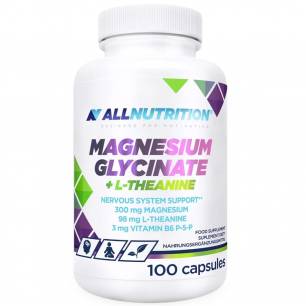
MAGNESIUM GLYCINATE + L-THEANINE - 100 capsules
€10.50 View product
MAGNECHILL, 90 capsules
€15.00 View product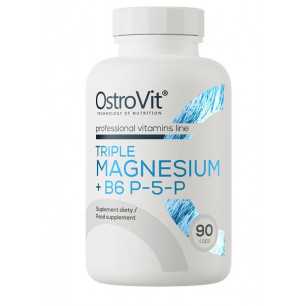
Triple Magnesium + B6 P-5-P - 90 capsules
€8.90 View product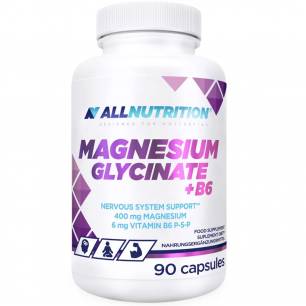
MAGNESIUM GLYCINATE+B6 - 90 kapsules
€13.90 View product
Magnesium bisglycinate, 500 ml
€16.90 View product
ZEIN PHARMA Magnesium Citrate 680mg, N120
€35.50 View productWas this article helpful?
Read also

Marine vs Bovine Collagen: Types I and II Explained and How to Choose

Omega-3: How to Choose a Supplement, EPA vs DHA and How Much to Take

Magnesium After Summer: Why You Need It and How to Choose the Right Form

Comments