Creatine
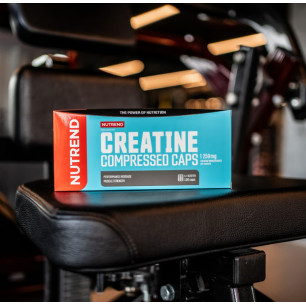
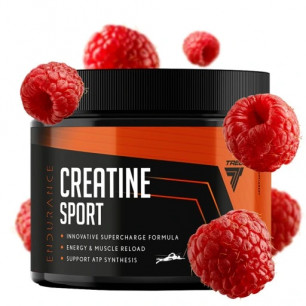
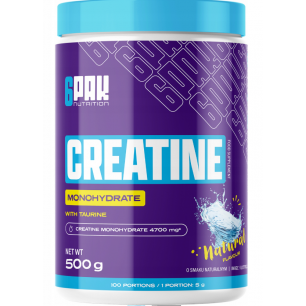
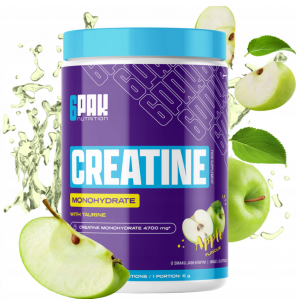
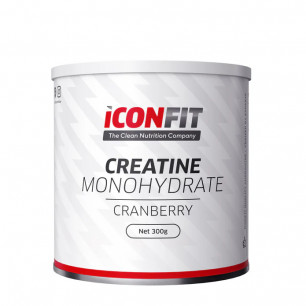
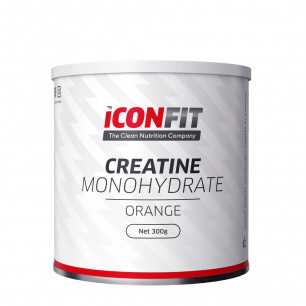
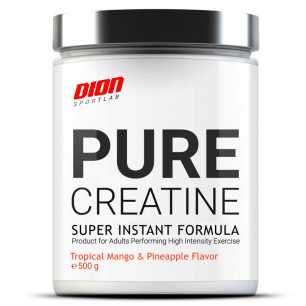
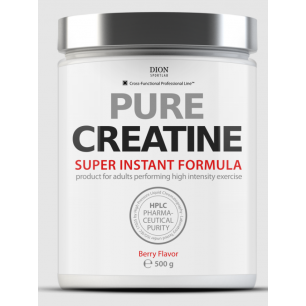
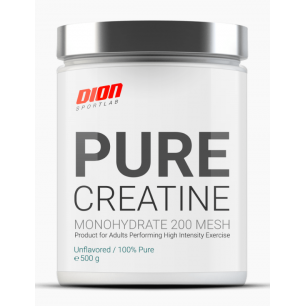
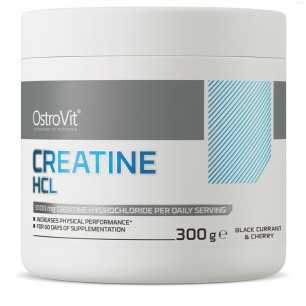
Creatine monohydrate for strength gains and post-workout recovery — powder and capsules that mix easily into any daily routine.
90 products
How to Choose Creatine

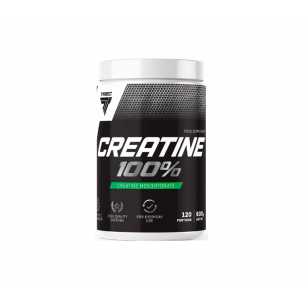
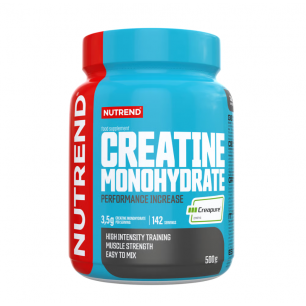
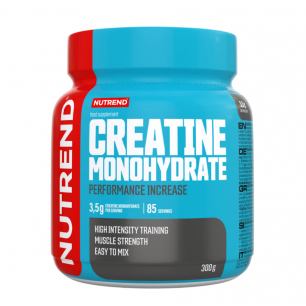
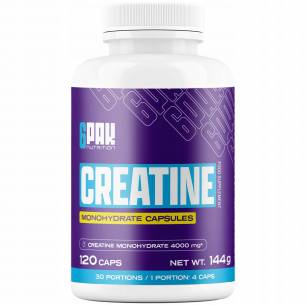
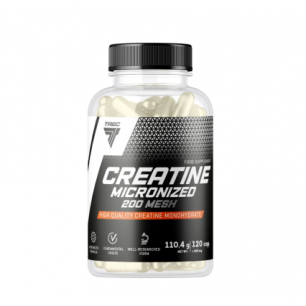
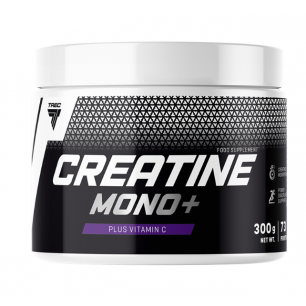
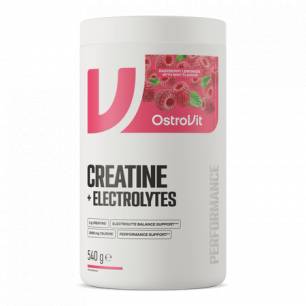
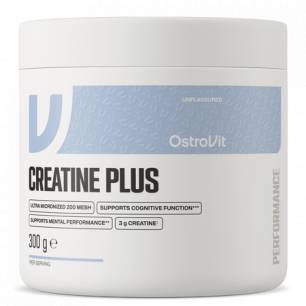
With so many nearly identical tubs on the shelf, narrowing things down comes down to a few practical details. Form matters most: creatine monohydrate remains the most researched and reliable option, while newer forms such as hydrochloride or buffered creatine tend to carry a higher price tag without a proven edge in results. A Creapure label points to German manufacturing with tight quality control and minimal impurities, which matters if you're sensitive to what's in your supplements. Unflavoured powder mixes into almost anything and works out cheaper per gram, while capsules travel well but usually cost more for the same dose.
Who Creatine Is For
This isn't just a bodybuilder's supplement. Strength athletes use it to push heavier loads over time, CrossFit and HIIT trainees rely on it for short bursts of explosive output, and runners or cyclists reach for it to hold pace through the closing stretch of a session. Vegetarians and vegans often consider it too, since their baseline creatine levels tend to run lower without meat, the main dietary source, in their diet.
Creatine for Muscle Gain, Strength and Recovery
For muscle gain, creatine works by drawing water into muscle cells, which supports more demanding training sessions and, over weeks, contributes to strength gains. For recovery, consistency matters more than timing a single dose around a workout, since the effect builds gradually rather than kicking in immediately. Endurance athletes sometimes worry about water retention, but in practice it's only noticeable in the first couple of weeks and doesn't interfere with cardio output.
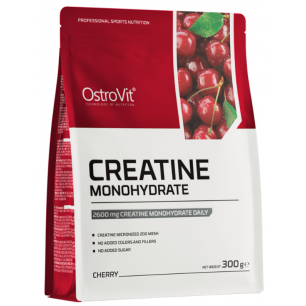
What to Check Before You Buy
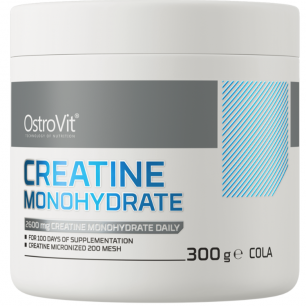
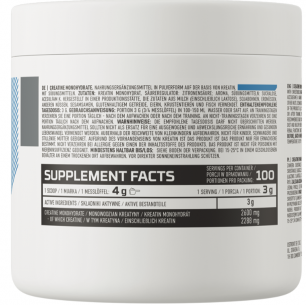
Check the ingredient list first — shorter usually means fewer fillers or dyes. Look for the per-serving dose stated in grams, not just "one scoop" with no weight given. Pay attention to storage instructions, since creatine is sensitive to moisture and can clump over time. And don't overpay for exotic forms without solid evidence behind them — plain monohydrate still offers the best value for the results it delivers.
Which creatine is best for beginners?
Plain creatine monohydrate without additives is the safest starting point, since it's the most tested option and works for most people; more specialised forms can wait until there's a specific reason to switch.
Do I need a loading phase to take creatine?
No, many people take a small steady daily dose without a loading phase — the effect shows up slightly later, but the end result tends to be similar.
Does creatine cause water retention?
Some water is drawn into muscle cells, especially during the first couple of weeks, but this is a normal physiological response rather than bloating in the usual sense.
Should I take creatine on rest days too?
Yes, taking it daily regardless of whether it's a training or rest day helps keep levels steady in the muscles.
What should I mix creatine with?
Unflavoured powder dissolves easily in water, juice, or a protein shake — what matters more than the mixer is taking it consistently.