



Creatine monohydrate
Creatine monohydrate is one of the few sports supplements with proven effectiveness: supporting strength, muscle mass and training performance. Powder, capsules and single-serving sachets in different flavours.
19 products



What is creatine monohydrate
Creatine is a substance that the body produces itself from amino acids and also gets from meat and fish. Among all sports supplements, creatine monohydrate has one of the strongest scientific foundations: its effectiveness for supporting strength and muscle mass growth has been confirmed by decades of research, and for this reason it is regularly included in lists of the few supplements with proven benefits alongside protein and vitamin D. It is stored in the muscles as phosphocreatine and serves as a fast source of energy in the first seconds of intense effort: a heavy set, a sprint or an explosive movement. Monohydrate is the simplest and at the same time the most studied form of creatine, without additional molecules or additives. Taking the supplement increases creatine stores in the muscles beyond what regular nutrition can provide, and this is what supports strength and performance during training.
How to choose a format: powder, capsules or single-serving sachets
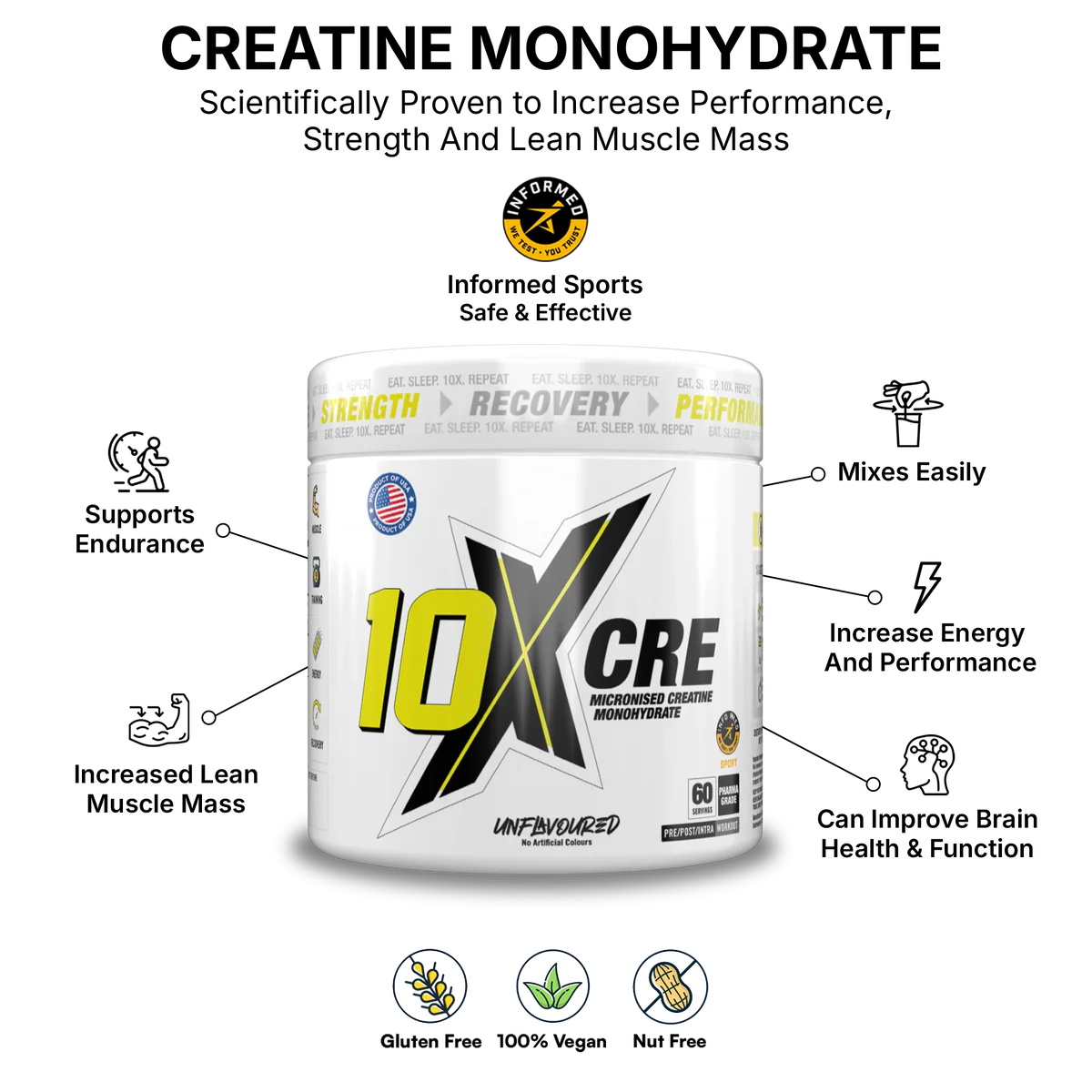
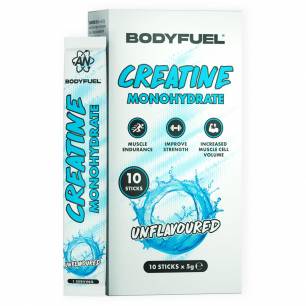
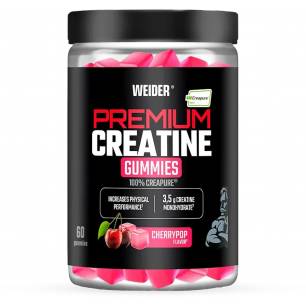
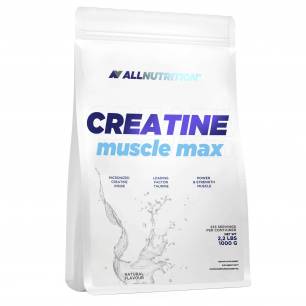
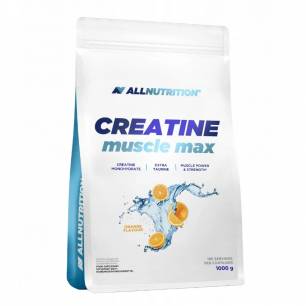
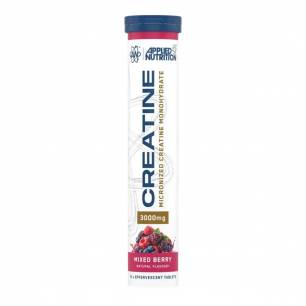
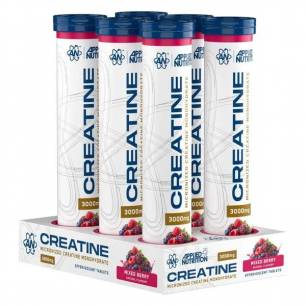
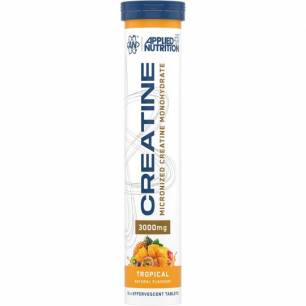
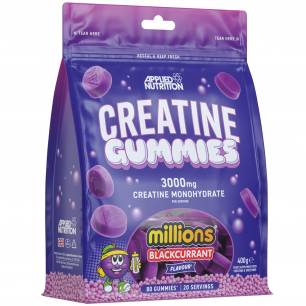
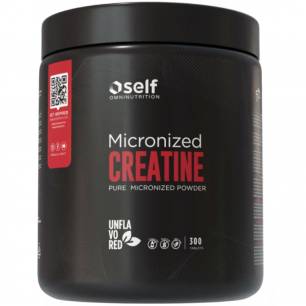
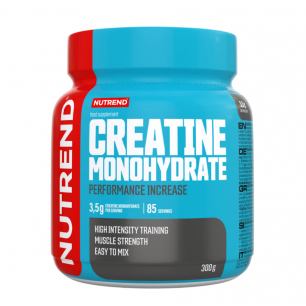
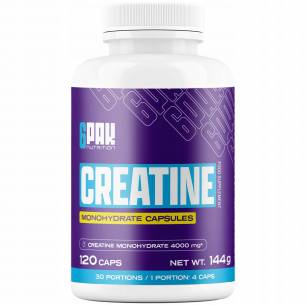
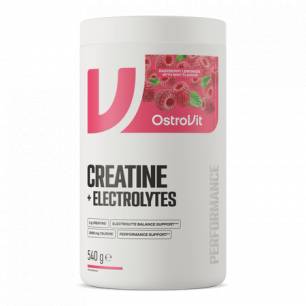
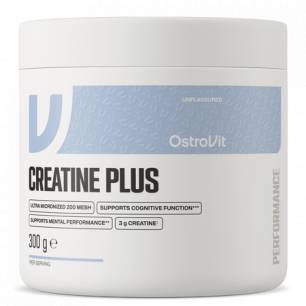
Classic unflavoured powder is the most flexible option: it can be added to a protein shake, juice or water, while the taste of creatine itself is barely noticeable. Flavoured powder - orange, watermelon, cherry, berry mix - is convenient if you drink creatine separately, simply dissolved in water, without a shake. 6 g single-serving sachets remove the need to measure the dose with a spoon and are convenient for travel or a gym bag. Capsules are an option for those who simply do not like the taste or texture of powder: swallow and forget, although capsules usually cost more per gram than powder.
How to take it: with or without loading
Creatine used to be commonly recommended with a loading phase: around 20 g per day, divided into several servings, for one week, followed by a maintenance dose. Loading speeds up creatine accumulation in the muscles by about a week, but it more often causes stomach discomfort and does not provide a noticeable long-term advantage. A simpler and more common approach today is 3-5 g per day without any loading: creatine stores in the muscles reach the same level after about 3-4 weeks of regular use. Timing is not crucial, but many people take creatine with a meal or protein shake so they remember the supplement every day.
Can it be taken every day and on rest days
Yes, taking creatine on non-training days is no different from training days: creatine works by accumulating in the muscles, not as a one-off effect before a specific workout, so skipping the dose on a rest day does not make sense. A course usually lasts for months without a mandatory break, although some athletes still pause for a few weeks every few months - research does not show a strict need for this.
Creatine while dieting and losing weight
Creatine itself does not burn fat, but it helps maintain strength and performance in training during a calorie deficit, when the body is especially short of energy. A common concern is the number on the scales going up in the first weeks of use: this is water retention inside the muscle cells, not fat mass, and it happens because creatine draws water into the muscle fibre. During the loading phase this effect is more noticeable, so when dieting, people more often choose to take creatine without loading, starting directly with a maintenance dose of 3-5 g.
What to check on the label
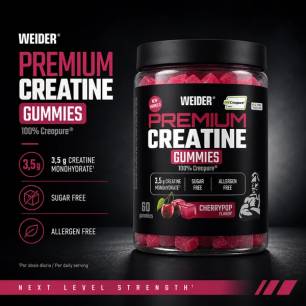
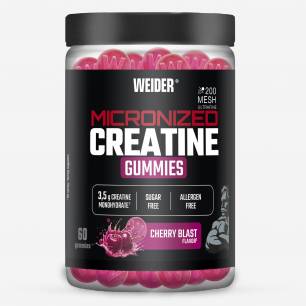
For pure monohydrate, the key parameter is purity and particle size: micronised creatine dissolves faster and does not settle at the bottom of the glass in lumps. With flavoured versions, check the sweetener composition if avoiding sugar is important. Complex formulas with added taurine, magnesium or vitamins are a separate product category, and the choice between pure monohydrate and such a formula depends on whether you need additional components or the clean effect of creatine itself.
How much creatine should you take per day?
The standard maintenance dose is 3-5 g per day, regardless of whether it is a training day or a rest day. A loading phase with a higher dose speeds up accumulation in the muscles, but it is not mandatory.
Is a creatine loading phase necessary?
No, it is not a mandatory stage. Loading shortens the time needed to reach the full effect from about four weeks to one, but it more often causes stomach discomfort. Starting straight with the maintenance dose gives the same result, only slightly more slowly.
Why does weight on the scales increase with creatine?
Creatine retains water inside muscle cells, which can add one to two kilograms in the first weeks of use. This is not fat mass, but water, and this type of water retention has minimal effect on the overall look of the body.
Can creatine be taken without training?
Taking creatine without physical exercise is safe, but it will not give a noticeable muscle effect: without strength training, strength and muscle size do not increase by themselves.
Which creatine should I choose: flavoured or unflavoured?
If you always mix creatine with a protein shake or juice, the unflavoured version will not be noticeable in the drink. If you take creatine separately with water, a flavoured option or flavoured single-serving sachets will make it more pleasant.
How do creatine capsules differ from powder in effect?
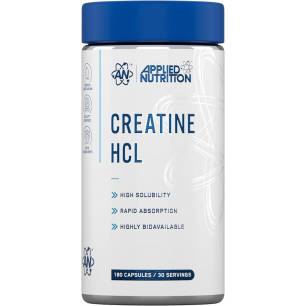
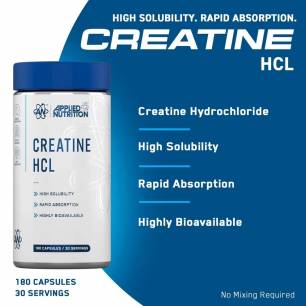
There is no difference in effect - it is the same monohydrate in another form. Capsules are more convenient for travel and for those who do not like the taste or texture of powder, but they cost more per gram of active ingredient.