




€33.00
-10%
with promo code
SPORTOBER10
Vitamin K2
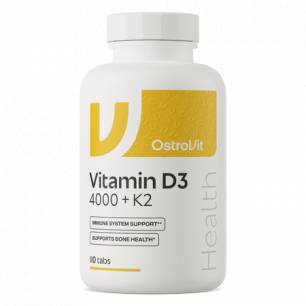
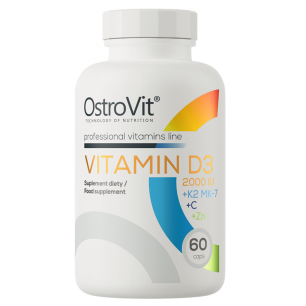
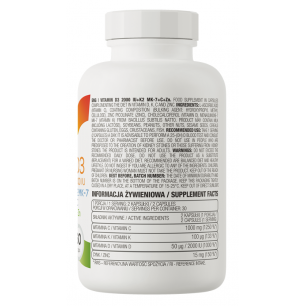
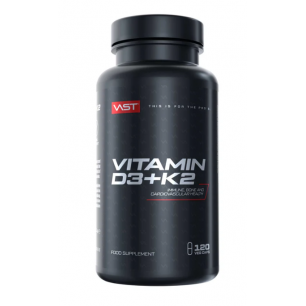
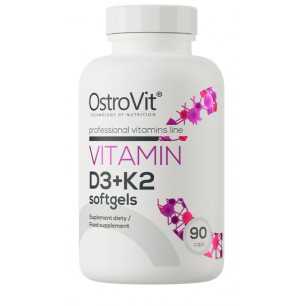
Vitamin K2 , also known as menaquinone, is a fat-soluble vitamin that contributes to normal blood clotting and the maintenance of normal bones. The range includes vitamin K2 supplements in MK-7 and MK-4 forms, as well as D3 + K2 combinations, including formulas with calcium and omega-3, in capsules, tablets and chewable formats. Before buying, check the form of K2 and the amount provided in the recommended daily serving.
View Left Column
13 products
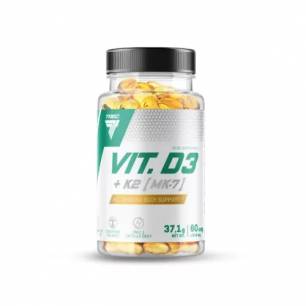
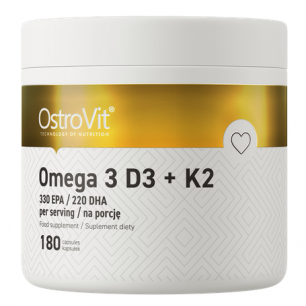
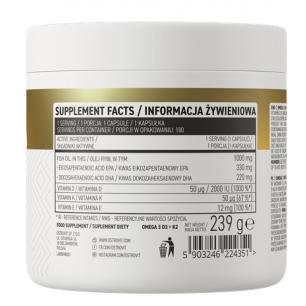
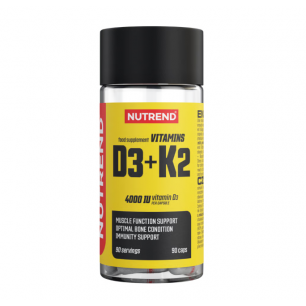




What is vitamin K2?
Vitamin K is a group of fat-soluble compounds. The two main forms are K1 (phylloquinone), found in high amounts in green leafy vegetables, and K2 (menaquinones), which are produced by bacteria. This is why vitamin K2 is found particularly in fermented foods such as Japanese natto made from fermented soybeans, mature cheeses, as well as egg yolk and some animal-derived foods.
What is vitamin K2 for?
Two health claims are authorised for vitamin K in the EU: vitamin K contributes to normal blood clotting and to the maintenance of normal bones.
You may often read that K2 “protects blood vessels” or “directs calcium into bones rather than arteries”. These effects are being studied, but there are no authorised EU health claims for them, so they should not be promised for food supplements.
MK-7 or MK-4: which form is in the supplement?
- MK-7 - the most common form in supplements, often derived from natto. It remains in the blood for longer and is commonly used once daily at amounts around 100-200 µg.
- MK-4 - another form of menaquinone that is cleared from the body more quickly. It is often used at considerably higher amounts, measured in milligrams rather than micrograms.
The form of K2 is stated in the ingredients. Because the typical amounts differ substantially, MK-7 and MK-4 products should not be compared simply by the number printed on the label.
Why are vitamin K2 and D3 combined?
Vitamin D contributes to normal absorption of calcium and the maintenance of normal bones, while vitamin K also contributes to the maintenance of normal bones. This is why the two are frequently combined in a D3 + K2 formula, sometimes with calcium or omega-3. This can be convenient if you want both vitamins. For more information about vitamin D, see the Vitamin D category.
How to take vitamin K2
Vitamin K2 is fat-soluble, so it is best taken with a meal that contains some fat. The time of day is less important: choose a meal that makes regular use convenient. Follow the manufacturer's recommended serving.
Frequently asked questions
Is vitamin K2 potassium or calcium?
Neither. The K in vitamin K is unrelated to potassium, even though potassium also has the chemical symbol K. The vitamin's name comes from the German word “Koagulation”, referring to blood clotting. Vitamin K2 is often combined with calcium in supplements, but they are different substances.
Does vitamin K2 thicken the blood?
Vitamin K contributes to normal blood clotting, meaning it supports the normal clotting process rather than increasing it above normal. The situation is different if you take medicines that affect blood clotting.
Who should not take vitamin K2 without medical advice?
People taking vitamin K antagonist anticoagulants, such as warfarin. Vitamin K can interfere with the action of these medicines, so starting, stopping or changing a vitamin K supplement should only be done in consultation with a doctor. Medical advice is also appropriate during pregnancy, breastfeeding and when medicines are taken regularly.
Should D3 + K2 be taken in the morning or evening?
Both vitamins are fat-soluble, so the main point is to take them with a meal containing fat. Whether this is in the morning or evening depends on which time is easiest for you to use them consistently.
All vitamins and their individual subcategories can be found in Vitamins A-Z.