



Magnesium glycinate (bisglycinate)
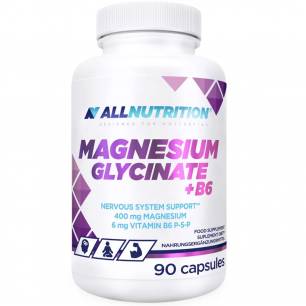
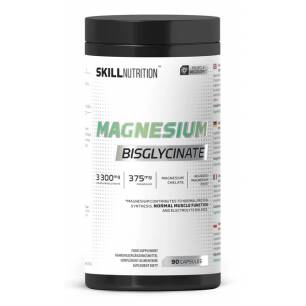
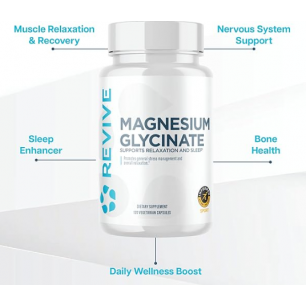
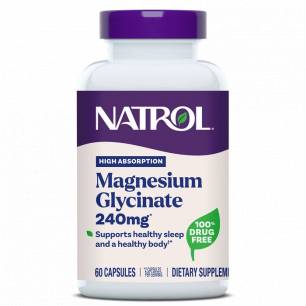
Magnesium glycinate , also known as bisglycinate or chelated magnesium, is magnesium bound to two molecules of the amino acid glycine. This form is commonly chosen for its digestive tolerance, as a laxative effect occurs considerably less often than with citrate. The range includes tablets, vegan capsules and liquid bisglycinate from NOW Foods, Trec Nutrition, Cytoplan, Revive, Natural Vitality, AllNutrition and other brands, as well as formulas with B6 and L-theanine.
View Left Column
17 products













Glycinate, bisglycinate and chelate - are they the same thing?
In most cases, yes. Magnesium bisglycinate, glycinate and diglycinate are different names for the same compound: one magnesium atom is bound to two glycine molecules. “Chelate” is a broader term referring to a mineral bound to an amino acid. Among magnesium supplements, bisglycinate is one of the most common chelated forms, which is why labels may simply say “chelated magnesium”.
How much magnesium is actually in a capsule?
Glycine accounts for a substantial part of the compound's weight, so elemental magnesium makes up only around 14% of magnesium bisglycinate by weight. To provide 200 mg of magnesium, approximately 1400 mg of bisglycinate is required. This helps explain why capsules can be large and why a serving may contain 2-4 capsules.
There are two practical points to remember:
- Compare the price per serving of elemental magnesium, not simply the price per bottle. A bottle of 180 tablets may be cheaper than 60 capsules when calculated by actual magnesium content, or vice versa.
- Look for the word “buffered”. These products contain added magnesium oxide to increase the amount of magnesium per capsule. This is not necessarily a problem, but it means the product contains a mixture of forms rather than pure glycinate. If the label states “fully reacted” or uses the patented Albion (TRAACS) chelate, the magnesium is in bisglycinate form.
For more detail on reading supplement labels, see how to compare magnesium supplements.
Glycinate or citrate: which should you choose?
Both forms are readily soluble. The main practical difference is tolerance. Citrate can have a mild laxative effect at higher amounts, while this is considerably less common with glycinate. For this reason, magnesium glycinate is often chosen by people with sensitive digestion and by those using a higher daily magnesium amount. Citrate is somewhat more compact because it contains slightly more magnesium by weight. You can compare all forms on the Magnesium page.
Does magnesium glycinate help with sleep?
This is one of the most common questions about glycinate and needs a precise answer. Glycinate is often taken in the evening, partly because it tends to be gentle on the digestive system. However, the claim “magnesium improves sleep” is not an authorised EU health claim. Authorised claims include that magnesium contributes to normal functioning of the nervous system, normal psychological function and the reduction of tiredness and fatigue. If your main goal is sleep, see the sleep supplements category for dedicated evening formulas.
Which formats are available?
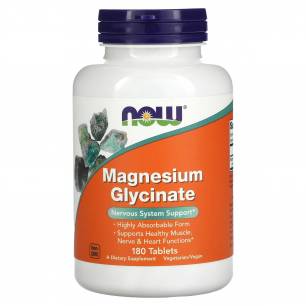
- Tablets - for example NOW Foods (180 tablets), a convenient option for longer-term use.
- Vegan capsules - Revive (120 capsules) and Cytoplan (60 capsules) with plant-based capsule shells.
- Standard capsules - Trec Nutrition, Reflex Nutrition, Skill Nutrition, tbJP.
- Liquid bisglycinate - Vitateka (500 ml), for those who prefer not to swallow capsules.
- Magnesium glycinate with B6 and with L-theanine - combination formulas from AllNutrition.
- Natural Vitality CALM - a well-known brand offering glycinate capsules.
Frequently asked questions
Magnesium glycinate with B6 or without?
Vitamin B6 also contributes to normal energy-yielding metabolism and to the reduction of tiredness and fatigue, which is why the two are often combined. If you already take B vitamins or a multivitamin, a plain glycinate formula may help avoid duplicating B6.
What is magnesium glycinate taken for?
For the same authorised functions as other forms of magnesium: magnesium contributes to the reduction of tiredness and fatigue, normal muscle and nervous system function and electrolyte balance. Glycinate is generally chosen for the characteristics of the form itself, particularly digestive tolerance.
Can magnesium glycinate be taken every day?
Yes, within the daily amount recommended by the manufacturer. Long-term use in people with chronic conditions, particularly kidney disease, and simultaneous use with medicines should be discussed with a doctor. General magnesium guidance is available on the Magnesium page.
This information is for general reference and does not replace medical advice.