



Health Supplements
Health supplements for a specific goal: omega-3, collagen, magnesium, sleep, joint, digestion and immune support supplements. 890 products with honest formulas.



993 products
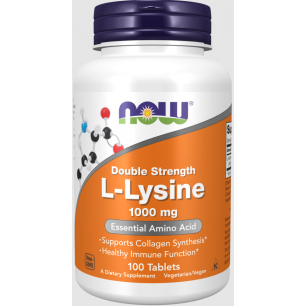
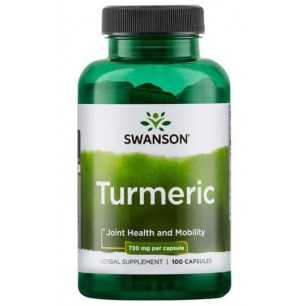

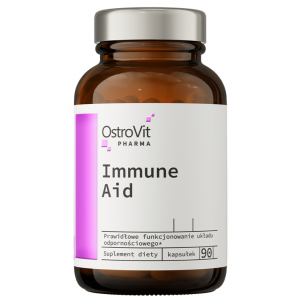
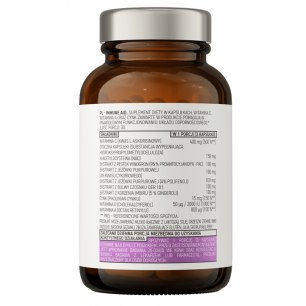


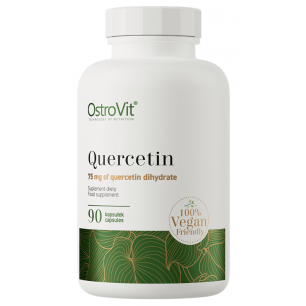
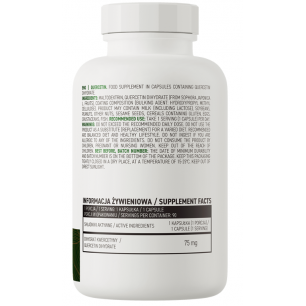
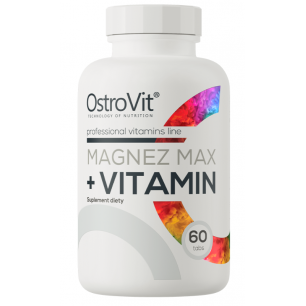
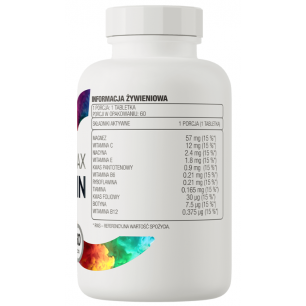






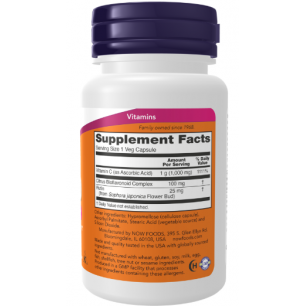
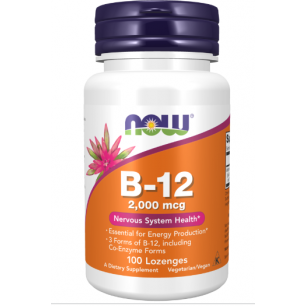

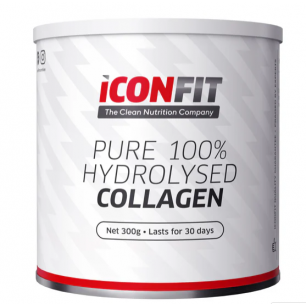
What are health supplements
Health supplements are concentrated sources of vitamins, minerals, fatty acids, amino acids and plant extracts that are taken alongside a normal diet. The word "alongside" matters most here. Supplements are not medicines, they do not treat diseases and they do not replace a visit to the doctor. Their role is more modest and much clearer: to help fill what may be missing from your diet. Gaps appear for simple reasons. In Northern Europe, winter means little sun and fewer fresh vegetables. During weight loss, entire food groups may disappear from the menu. With regular training, the need for certain nutrients can increase. In these situations, supplements can help cover a gap that is difficult to close with food alone.
Where to start when choosing

It is better to start not by scrolling through the whole catalogue, but by looking at your own situation. For most people, a basic set consists of two or three supplements.
Omega-3
Omega-3 is suitable for people who eat oily fish less than twice a week. When choosing, look at the total amount of EPA and DHA in a serving - this is the number that determines the value of the product, not the size of the capsule or the volume of the tub.
Magnesium
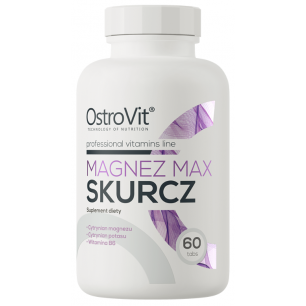
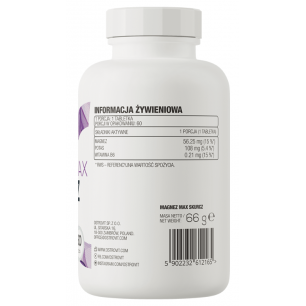
Magnesium is useful for those who train, sleep poorly or work a lot. Night cramps in the calves and a twitching eyelid are common signs of a possible shortage. Magnesium forms differ in absorption: bisglycinate and citrate are absorbed better than cheap oxide.
Everything else - for a specific goal
Collagen, probiotics, adaptogens and sleep complexes are worth buying not for "prevention of everything", but for a real need you actually have. This way, the supplement is more likely to bring noticeable value rather than simply take up space on the shelf.
How to find the right supplement by goal
The category is divided into sections, and each one answers a specific need:
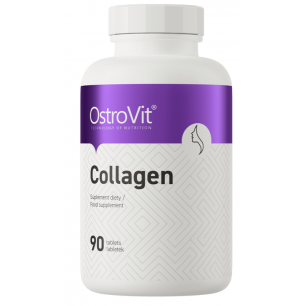
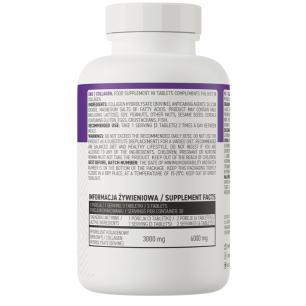
Skin, hair and nails. The main supplements here are collagen with vitamin C, hyaluronic acid and biotin. The effect of collagen is cumulative, so it is usually taken in courses lasting two to three months.
Joints and ligaments. Hydrolysed collagen, glucosamine, chondroitin and MSM. These supplements are most often chosen by people who train a lot or feel discomfort in their knees after exercise.
Sleep and nervous system. Magnesium, melatonin and plant extracts. In Estonia and Finland, sleep supplements are especially popular because of the long dark winter and bright summer nights.
Digestion. Probiotics and fibre to support the microbiome and comfortable bowel function.
Energy and brain function. A separate section with adaptogens and nootropic complexes for focus and alertness without caffeine ups and downs.
Special sections. Women’s health, pregnancy supplements, liver, thyroid and heart support.
How to tell a useful supplement from an empty promise
A few simple rules can save money when buying.
Look at the dosage of the active ingredient per serving. A complex with twenty ingredients looks impressive, but if each ingredient is included only in a tiny amount, the benefit of such a complex is also likely to be small.
Check the form of the ingredient. Chelated minerals, hydrolysed collagen and omega-3 in triglyceride form are absorbed better than cheaper alternatives.
Do not trust promises of instant results. Serious manufacturers do not write "cures" or "restores in a week", because supplements do not work like that. Most supplements show their effect after several weeks of regular use, so a pack with 90 or 120 servings is almost always better value than a small trial pack.
When supplements will not help
This is rarely written in shop descriptions, but it is important to say. If you have a diagnosis, take medicines, are pregnant or are choosing a supplement for a child, speak to a doctor first. Some supplements can interact with medicines, for example with blood-thinning medication or thyroid hormones. If a symptom is strong and does not go away, you need an examination, not self-selection of supplements. Supplements have a clear role: to support the body, help fill a deficiency and assist recovery after physical load. Treating diseases is not part of that role.
Which supplements really work?
Omega-3, vitamin D, magnesium, creatine and protein are among the best studied. There is less data on collagen for joints and skin, but research continues and the results are encouraging. The more exotic the supplement and the louder the promises on the pack, the more cautious you should be.
Can I take several supplements at the same time?
In most cases, yes, but there are known exceptions. Iron and calcium interfere with each other’s absorption, so they should be taken at different times. Fat-soluble supplements are absorbed better with food. If you take more than three or four supplements at once, show the list to a doctor or pharmacist.
How is a food supplement different from a medicine?
A food supplement is legally considered a food product. It does not go through clinical trials like a medicine and is not intended to treat diseases. Dosages in supplements are designed for general support, not therapy. That is why supplements can complement health care, but they do not replace treatment.
When should I expect results from supplements?
The timeframe depends on the ingredient. Magnesium used for sleep problems may show results in one or two weeks. Collagen and omega-3 require two or three months of regular use. If nothing changes within a reasonable time, you probably did not have a shortage of that nutrient.
Which collagen should I choose for joints, and which for skin?
For joints and ligaments, type II collagen and complexes with glucosamine are usually chosen. For skin, hydrolysed type I and III peptides are suitable, often from marine sources. Vitamin C in the formula is important, because without it the body produces its own collagen less efficiently.
Do I need to take breaks from supplements?
Basic nutrients such as omega-3 are usually taken without breaks. Plant extracts, adaptogens and collagen are more often used in courses. There is no single rule, so follow the manufacturer’s recommendations on the packaging and ask a specialist if in doubt.