



Thyroid
Thyroid supplements include food supplements containing individual vitamins, minerals, amino acids and other nutrients that may form part of the diet. The thyroid is part of the endocrine system and produces hormones that contain iodine, which is why products in this area commonly include iodine, selenium, zinc and L-tyrosine . When choosing a product, focus on the specific ingredients and amounts rather than only the product name.
7 products
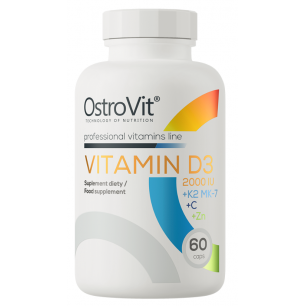
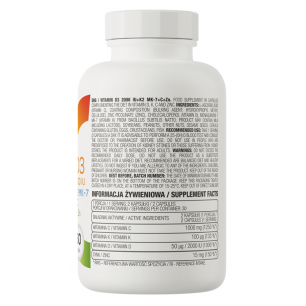
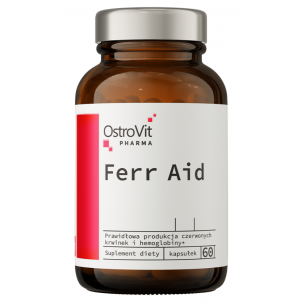
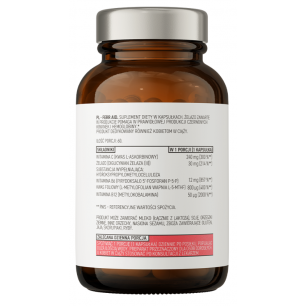
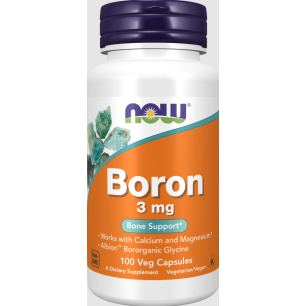
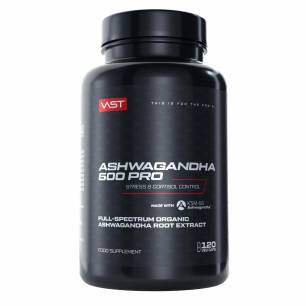
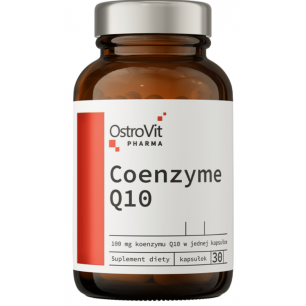
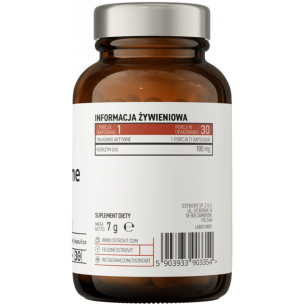
Thyroid and nutrition: which nutrients are found in supplements?
The thyroid is an endocrine gland located at the front of the neck. It produces thyroid hormones that contain iodine. This is why searches for thyroid vitamins and supplements are often associated with iodine, selenium, zinc, amino acids and trace mineral formulas.
Food supplements are not medicines for treating thyroid disease. Hypothyroidism, hyperthyroidism, autoimmune conditions and other thyroid disorders require diagnosis and appropriate medical supervision.
Which ingredients are commonly associated with thyroid supplements?
Iodine and potassium iodide
Iodine is required for the normal production of thyroid hormones. In food supplements it may be supplied, for example, as potassium iodide. The amount of iodine is usually stated in micrograms, so products should be compared by both the ingredient form and the amount in the recommended daily serving.
The principle “more iodine is better” is not correct. It is particularly important not to take high amounts of iodine independently if you have a diagnosed thyroid condition or are using medication.
Selenium
Selenium is a trace mineral that contributes to normal thyroid function. Supplements may contain different forms of selenium and different amounts per serving. When comparing products, consider the total daily amount of selenium from all supplements you use.
Zinc
Zinc is available as a standalone supplement and as part of multi-ingredient formulas. It is an essential trace mineral involved in many processes in the body. If zinc is already included in a vitamin and mineral complex, this should be taken into account before adding a separate zinc supplement.
L-tyrosine
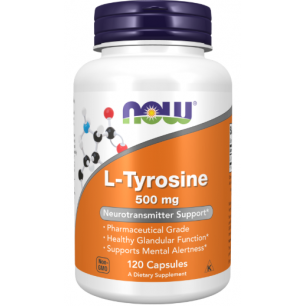
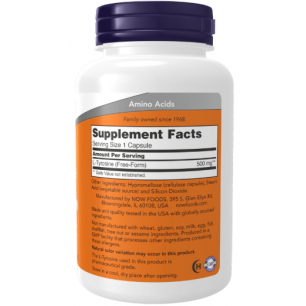
L-tyrosine is an amino acid that acts as one of the starting materials in biochemical pathways involved in thyroid hormone production. L-tyrosine supplements are commonly available as capsules and powders, with the amount usually stated in milligrams per serving.
The fact that tyrosine participates in this biochemical pathway does not mean that taking additional L-tyrosine can independently normalise thyroid function. If you have an endocrine condition, the use of such supplements should be discussed with a qualified professional.
How to choose thyroid supplements and vitamins
Before buying, start with the ingredients table rather than claims on the front of the pack. Compare:
- active ingredients – for example iodine, selenium, zinc or L-tyrosine;
- ingredient form – for example potassium iodide as a source of iodine;
- amount per serving – particularly for iodine and selenium;
- recommended daily serving;
- whether the same ingredients are already present in other supplements you use;
- manufacturer warnings and restrictions.
Iodine in food and supplements – what is the difference?
Iodine does not come only from food supplements. Dietary sources may include sea fish, seafood, dairy products, eggs and iodised salt. Actual iodine intake depends on the diet, the type of salt used and the individual foods consumed.
A supplement differs in that it provides a standardised amount of iodine per serving. This can make the amount easier to track, but it also makes following the stated serving especially important.
Can you take iodine for the thyroid without professional advice?
Not always. Iodine deficiency and thyroid disease are not the same thing. Additional iodine is not necessary for everyone, and increasing iodine intake independently may be inappropriate in some thyroid conditions.
If you have abnormal test results, a diagnosed thyroid condition or take thyroid hormone medication, it is best to discuss supplements with a doctor beforehand.
What should you consider before buying?
Thyroid supplements are better compared by the specific nutrient, its form and the amount provided. Avoid relying on products that claim to “restore the thyroid”, “normalise hormones” or replace treatment. Food supplements can be part of the diet but do not replace medical assessment or prescribed therapy.
Frequently asked questions about the thyroid and supplements
Which vitamins and minerals are associated with normal thyroid function?
In nutrition, iodine and selenium are particularly relevant. Iodine is required for the normal production of thyroid hormones, while selenium contributes to normal thyroid function. Vitamin and mineral formulas may also contain zinc and other nutrients. Whether a separate supplement is needed depends on the diet and individual circumstances.
What is potassium iodide and how is it different from iodine?
Potassium iodide is a compound used as a source of iodine in some food supplements. A label may therefore show both the form of the ingredient and the actual amount of iodine provided. Products are best compared by the amount of iodine in the daily serving.
Can I take iodine without having tests?
People generally obtain some iodine from food, but starting concentrated supplements independently, particularly in high amounts, is not always appropriate. If you have a thyroid condition, altered TSH, T3 or T4 results or take medication, iodine supplementation should be discussed with a healthcare professional.
How can I tell if I have a thyroid problem?
A thyroid condition cannot be identified from one symptom alone. Changes in how you feel can have many possible causes. If you suspect a thyroid problem, the appropriate step is to see a doctor, who can arrange laboratory tests and other examinations if necessary, rather than trying to select a supplement independently.
Can food supplements replace thyroid medication?
No. Food supplements are not intended to replace prescribed treatment for hypothyroidism, hyperthyroidism or other diagnosed thyroid conditions. If a doctor has prescribed medication, treatment should not be changed or stopped because of vitamins, minerals or L-tyrosine without professional medical advice.