



Supplements for pregnant women
Pregnancy supplements include individual nutrients and fatty acids chosen with diet and professional advice in mind. The category includes products containing folic acid (vitamin B9), magnesium and omega-3 . They are also commonly searched for as “prenatal vitamins”. When choosing, compare the active ingredients, amount per serving and avoid unnecessarily duplicating the same nutrients across several supplements.
View Left Column
7 products

Updated: 25 August 2026.
Which supplements are used during pregnancy?
Pregnancy is a period when particular attention should be paid to diet and nutrient intake. There is no universal set of supplements that is suitable for every pregnant woman: the choice depends on diet, stage of pregnancy, test results, medicines or supplements already being used and medical advice.
The pregnancy supplements category includes both individual nutrients such as folic acid and magnesium and omega-3. In everyday language these products are often grouped under the term “prenatal vitamins”, although the category is broader and may include vitamins, minerals and fatty acids. Before taking any product, check the complete formula and the amounts provided by all supplements being used to avoid unnecessary duplication.
At a glance
- The category includes folic acid (vitamin B9) at 400, 600 and 800 µg, including Quatrefolic (5-MTHF), magnesium in standard and chelated forms, and omega-3 with EPA/DHA.
- There is no universally “best” supplement combination for pregnancy – the formula should be selected individually.
- Compare the formula rather than the brand alone: check the amount per serving and ingredient form and avoid duplicating the same nutrients from different supplements.
- Medical advice should be sought before taking supplements during pregnancy.
Comparison of products in the category
| Product | Active ingredient | Amount per serving | Form |
|---|---|---|---|
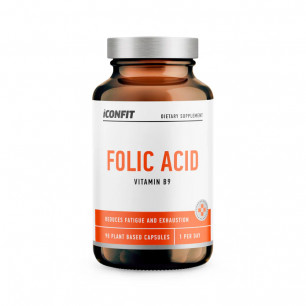
| Folic Acid Vitamin B9 – 90 capsules | Folic acid | 400 µg | Standard B9 form |
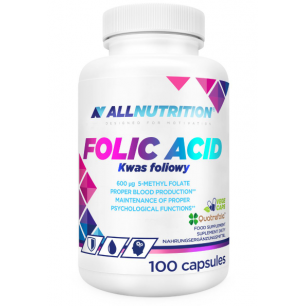
| Folic Acid – N100 | Folic acid | 600 µg | Higher amount |
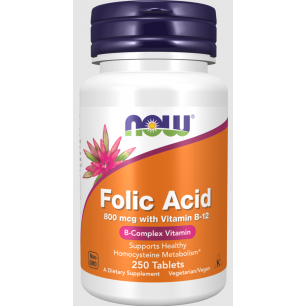
| Folic Acid with Vitamin B12 – 250 tablets | Folic acid + B12 | 800 µg | Combination with B12 |
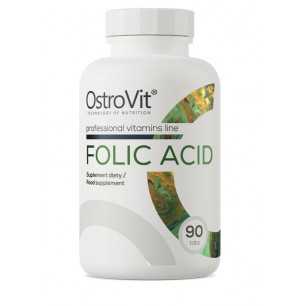
| Folic Acid – 90 tablets | Folic acid | check product page | Basic form |
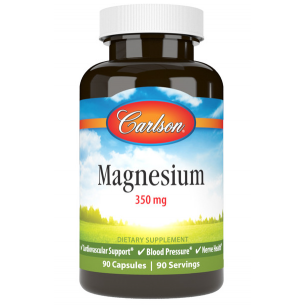
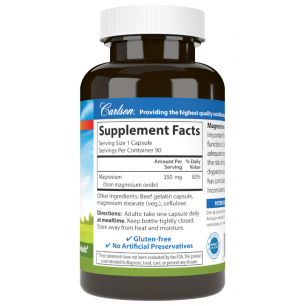
| Magnesium – N180 | Magnesium | 350 mg | Standard magnesium compound |
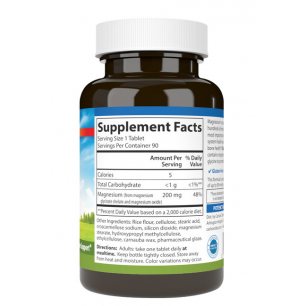
| Chelated Magnesium – 180 tablets | Magnesium (chelate) | 200 mg | Chelated form |
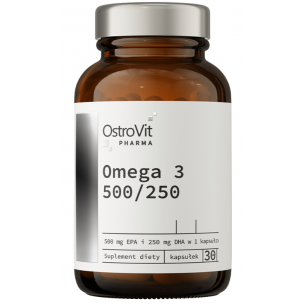
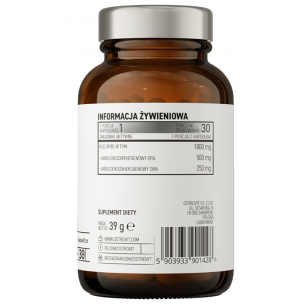
| Pharma Omega 3 – 30 capsules | EPA/DHA | 500/250 mg | EPA to DHA ratio |
This table is provided for quick comparison of amounts and forms and is not a dosing recommendation.
Folic acid and vitamin B9 in pregnancy supplements
Folic acid is the synthetic form of vitamin B9 and is commonly found in supplements intended for women who are planning pregnancy and during pregnancy. Folate has a role in the process of cell division and contributes to maternal tissue growth during pregnancy.
Folic acid 400, 600 and 800 µg – what is the difference?
The difference is the amount of vitamin B9 per serving. Some products contain only folic acid, while others also contain vitamin B12 or other B vitamins. A larger number on the pack does not automatically make a product “better” – the appropriate amount should take account of diet and other sources of folate.
What is Quatrefolic (5-MTHF)?
Quatrefolic is a branded form of 5-MTHF, a methylated form of folate. It differs from standard folic acid in its chemical form rather than in “strength”. When comparing folic acid with 5-MTHF, look at the actual amount of folate per serving rather than only the name on the label.
Omega-3 in pregnancy supplements
Omega-3 is a group of polyunsaturated fatty acids. It is not a vitamin, but it is one of the most commonly considered types of supplement during pregnancy. EPA and DHA are stated separately in the formula, so comparing products only by the total amount of fish oil is not sufficient.
Before choosing an omega-3 product, check:
- the amount of EPA and DHA in the daily serving;
- the recommended number of capsules per day;
- the oil source, such as fish oil or algal oil;
- any additional active ingredients.
Magnesium in pregnancy supplements
Magnesium is available in different chemical forms and amounts. On the label, it is important to distinguish between the total weight of the magnesium compound and the amount of elemental magnesium where both figures are provided.
- Common magnesium salts, such as citrate or oxide, may be listed at different total amounts per serving.
- Chelated forms of magnesium differ in chemical structure; the amount of elemental magnesium should always be checked on the individual product label.
Magnesium should not be added to the diet simply because a product appears in a pregnancy category. The need for a separate supplement depends on diet and professional advice.
Which other nutrients are found in prenatal supplements?
Prenatal formulas and individual supplements may also contain:
- vitamin D;
- iodine;
- iron;
- vitamin B12 and other B vitamins;
- zinc;
- calcium;
- omega-3 with DHA.
The presence of these nutrients in prenatal products does not mean that every pregnant woman needs to take all of them separately. Some may already be included in a prenatal formula or may be prescribed individually by a doctor.
Prenatal multivitamin or individual supplements?
A prenatal formula combines several vitamins and minerals in one product. Individual supplements contain one or a small number of specific nutrients, such as folic acid or magnesium.
The important factor is the final composition of the daily intake. If a prenatal multivitamin is used alongside several individual supplements, the same nutrients can be duplicated.
How to choose pregnancy supplements: checklist
- Which active ingredients are included?
- How much of each nutrient is provided in the daily serving?
- What form of folate, magnesium and other ingredients is used, for example folic acid or Quatrefolic?
- How much EPA and DHA is provided separately in an omega-3 product?
- Are any of the same nutrients already present in other supplements being used?
- What instructions and warnings are provided by the manufacturer?
Do not choose a product only by the number of ingredients or claims such as “best prenatal vitamins”. The appropriate combination depends on the individual situation.
Do supplements differ between the first, second and third trimester?
Supplement selection cannot be based only on trimester number. Recommendations depend on diet, laboratory results, medical history and products or medicines already being used. There is no need to automatically replace the entire supplement routine when moving into a new trimester – the overall intake should be reviewed with the healthcare professional supervising the pregnancy.
Frequently asked questions about pregnancy supplements
Which supplements should be taken during pregnancy?
There is no single list that applies to every pregnancy. Folate, vitamin D, iodine, iron and omega-3 are commonly considered, but the appropriate combination depends on diet and individual circumstances. Any prenatal formula already being used should be included when calculating total nutrient intake.
Which vitamins should be avoided during pregnancy?
There is no single answer without reviewing the exact product. Excessive amounts of certain vitamins and minerals may be inappropriate during pregnancy. The suitability of a specific supplement should be assessed according to its formula, amount and other products or medicines already being used.
Which prenatal vitamin is the best?
There is no universally “best” prenatal formula. Compare products by their active ingredients and amounts per serving rather than by the number of ingredients or marketing claims.
Can I take prenatal vitamins without speaking to a doctor?
It is not recommended. Not every supplement is intended for use during pregnancy, and formulations and amounts vary. Review the complete product formula and discuss it with a doctor before starting use.
Can folic acid and a prenatal multivitamin be taken together?
Check the prenatal formula first. If it already contains folate, adding a separate folic acid supplement increases the total daily amount of vitamin B9. Products should not be combined without taking the total intake into account.
This information is provided for general reference and is not medical advice or a diagnosis. Consult a doctor before choosing or taking any food supplement during pregnancy.