



Blood Support
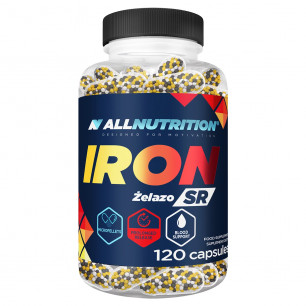
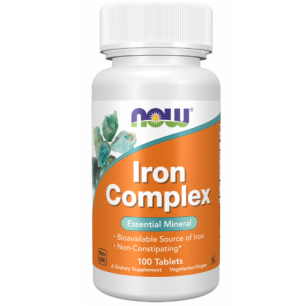
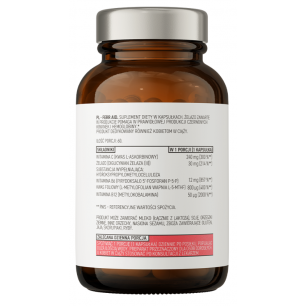
Blood-related supplements include iron in different forms, such as chelated and liposomal iron, folic acid with vitamin B12, as well as rutin, quercetin and other ingredients. The range includes products from NOW Foods, OstroVit, Osavi, AllNutrition and other brands. Compare the active ingredients, chemical form and amount per serving before choosing.
20 products
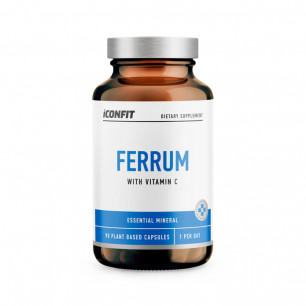
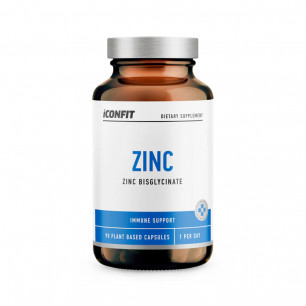
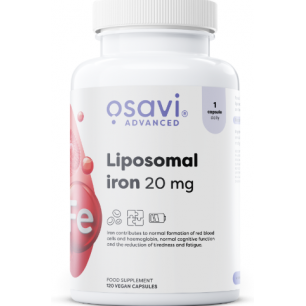
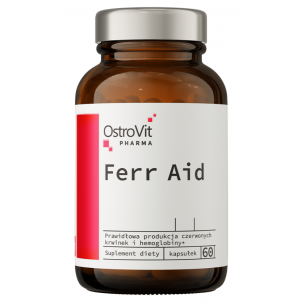
Updated: 25 August 2026.
Blood-related supplements: what does the category include?
This section brings together supplements containing iron, B vitamins and other ingredients commonly found in products related to normal blood formation. The range includes different forms of iron, folic acid, vitamin B12, rutin, quercetin and multi-ingredient formulas.
Food supplements are not intended to treat anaemia or other blood disorders. If haemoglobin, ferritin or other blood test results are abnormal, the choice and amount of iron should be discussed with a doctor.
At a glance
- Iron contributes to the normal formation of red blood cells and haemoglobin and to the reduction of tiredness and fatigue where the conditions for authorised EU claims are met.
- Folate contributes to normal blood formation, while vitamin B12 contributes to normal red blood cell formation.
- Rutin and quercetin are plant flavonoids found as standalone ingredients and in combination formulas.
- If you use prescription medicines, particularly anticoagulants, statins or glucose-lowering medicines, check supplement compatibility with a healthcare professional.
Iron: which form should you choose?
- SR iron – sustained-release products.
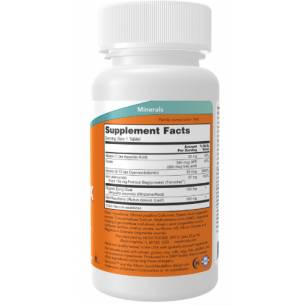
- Iron complexes – iron combined with other nutrients.
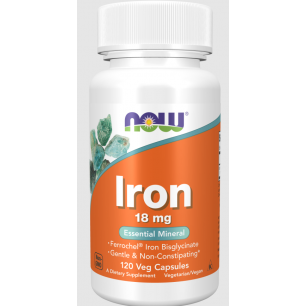
- Chelated iron, such as iron bisglycinate – iron bound to an amino acid.
- Liposomal iron – iron incorporated into a lipid-based delivery system.
Iron contributes to normal red blood cell and haemoglobin formation and normal oxygen transport in the body. Products should be compared by the amount of elemental iron per recommended serving rather than simply by the total weight of the compound.
Folic acid, B12, B6 and B2
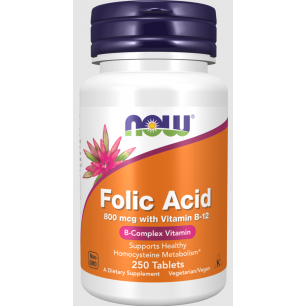
Folate contributes to normal blood formation, while vitamin B12 contributes to normal red blood cell formation. Some products combine folic acid and B12 in one formula.
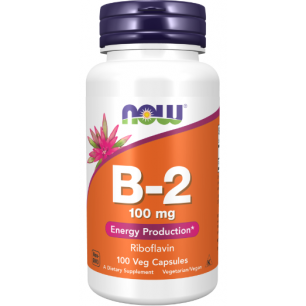
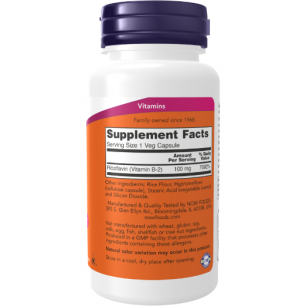
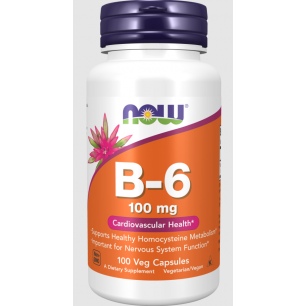
Vitamins B6 and B2 also have their own physiological roles. If several complexes are used at the same time, check for duplicated B vitamins.
Rutin, quercetin and plant flavonoids
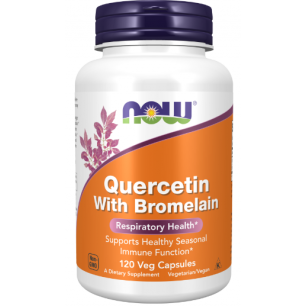
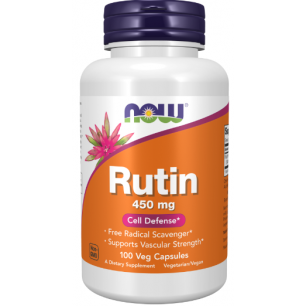
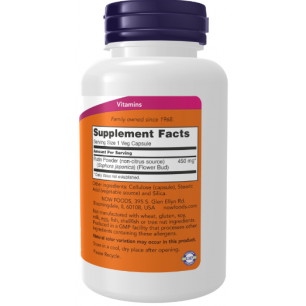
Rutin and quercetin, including formulas combined with bromelain, are plant flavonoids. Products vary in the amount of active ingredients, additional components and serving size.
Berberine and combination products
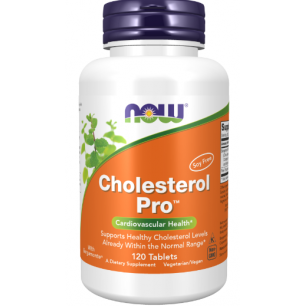
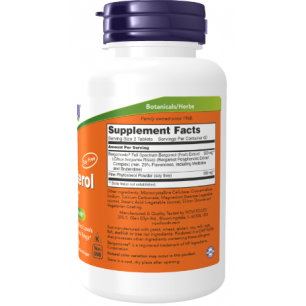
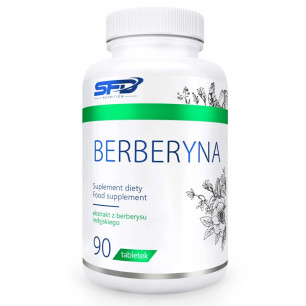
Berberine is a biologically active plant compound that may interact with medicines and should not be treated as a neutral vitamin supplement. If you take medicines affecting blood glucose, blood lipids or other prescription medicines, discuss its use with a doctor first.
Botanical products and other supplements
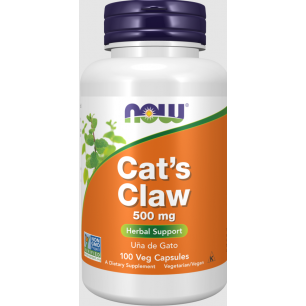
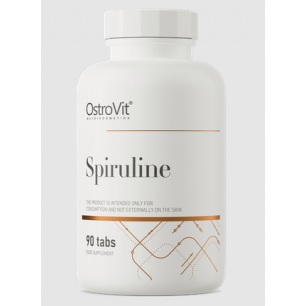
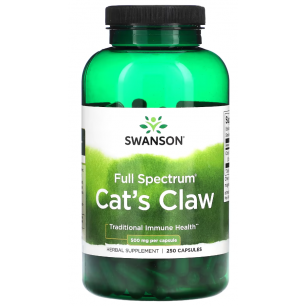
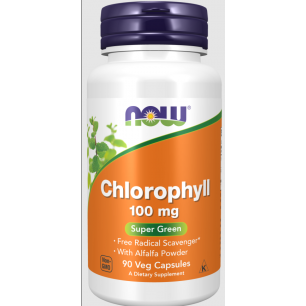
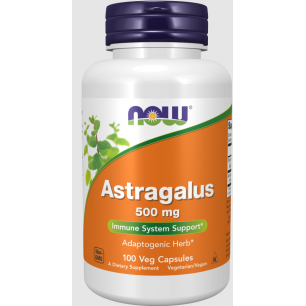
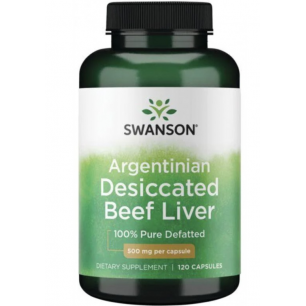
The category may also include cat's claw, astragalus, spirulina, chlorophyll, dried beef liver and other products with very different compositions. These should not be considered interchangeable with iron or B vitamins.
How to choose a supplement from this category
- Identify the specific nutrient you are looking for: iron, folate, B12 or another ingredient.
- For iron, compare both its chemical form and elemental iron per serving.
- Check whether the same ingredients are already present in other supplements you use.
- Consider prescription medicines and potential interactions.
- If iron deficiency or anaemia is suspected, have appropriate tests and discuss the results with a doctor first.
Frequently asked questions
Which vitamins and minerals are linked to normal blood formation?
Iron, folate and vitamin B12 are particularly relevant. Iron contributes to normal red blood cell and haemoglobin formation, folate to normal blood formation, and vitamin B12 to normal red blood cell formation.
Which form of iron is best?
There is no universally best form for everyone. Iron bisglycinate, liposomal iron and conventional iron salts differ in chemical form, elemental iron content and individual tolerability.
Can iron be taken at the same time as calcium or zinc?
Minerals can influence each other's absorption. If you use several mineral supplements, check the manufacturer's directions or ask a doctor or pharmacist whether their timing should be separated.
Does vitamin K matter when taking anticoagulants?
Yes. Vitamin K can affect the action of certain anticoagulants, particularly vitamin K antagonists such as warfarin. Significant changes in vitamin K intake from food or supplements should be discussed with a doctor during this type of treatment.
This information is for general reference and is not medical advice. It does not replace consultation with a doctor, particularly in cases of anaemia, abnormal blood tests or prescription medicine use.