



Eye health
Eye vitamins are food supplements containing lutein, zeaxanthin, vitamin A, carotenoids and other nutrients. The SportFit range includes lutein, lutein + zeaxanthin complexes, astaxanthin, beta-carotene and multi-ingredient formulas for supplementing the everyday diet.
19 products
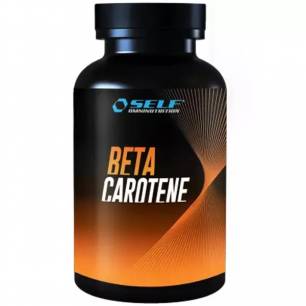
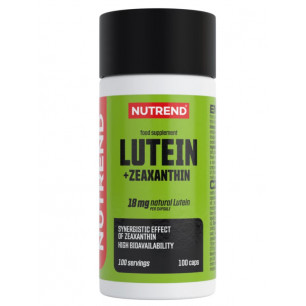
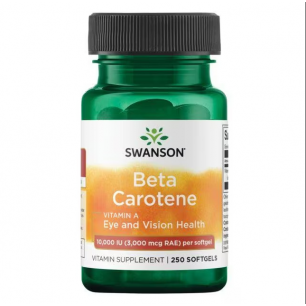
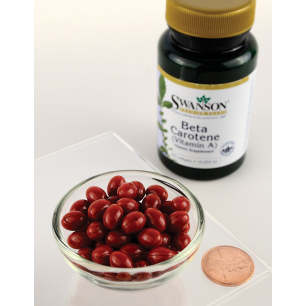


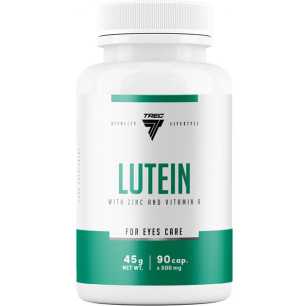
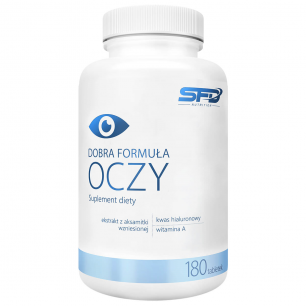
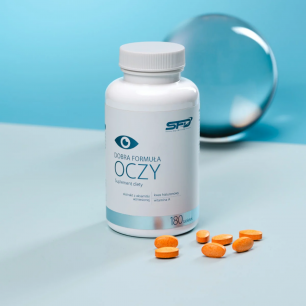
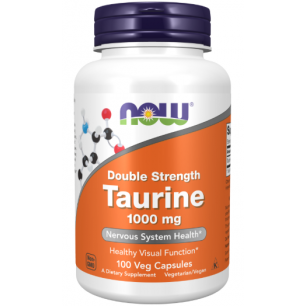
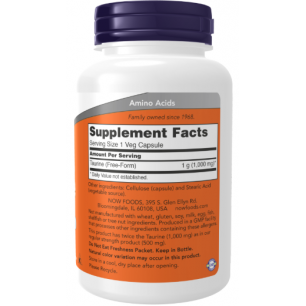
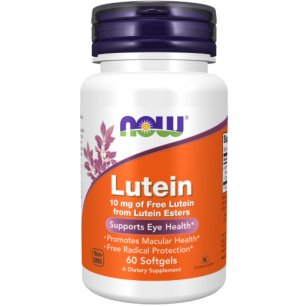
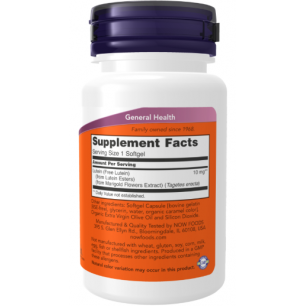
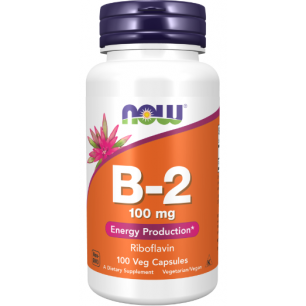
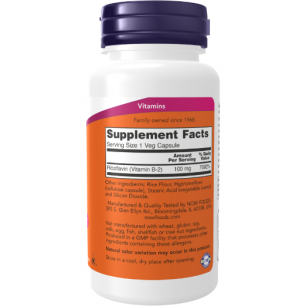
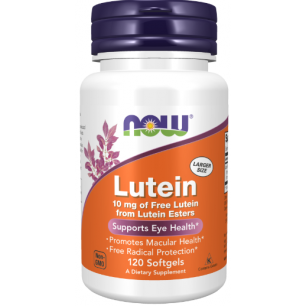
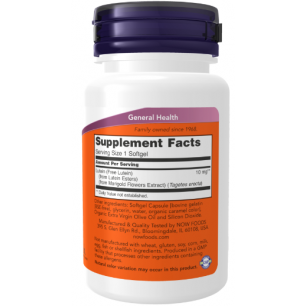
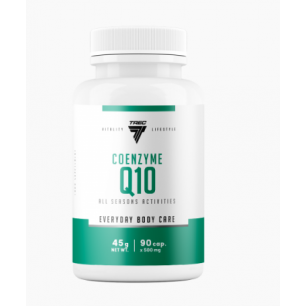
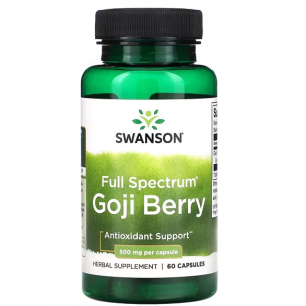
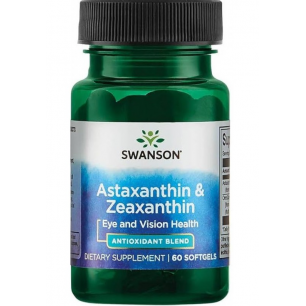
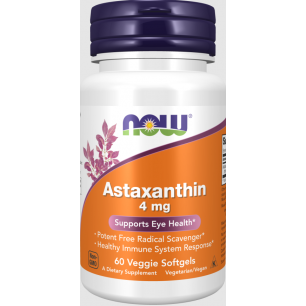
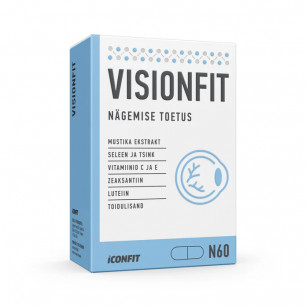
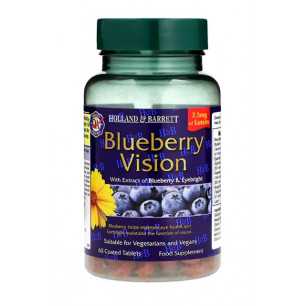
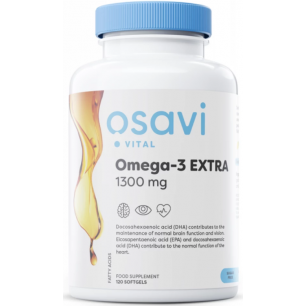
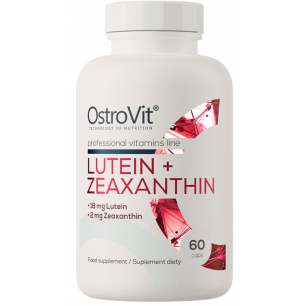
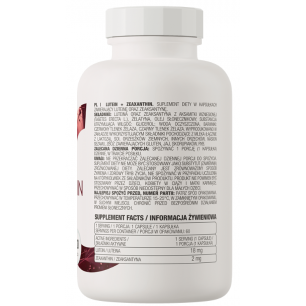
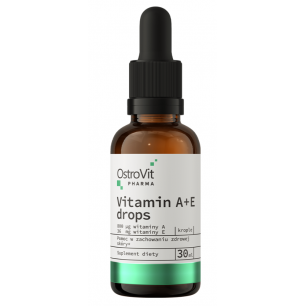
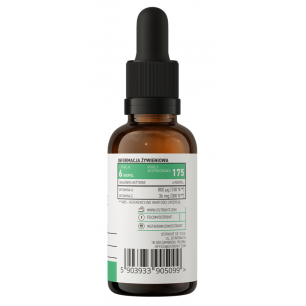
Eye vitamins are food supplements that may contain lutein, zeaxanthin, vitamin A, beta-carotene, astaxanthin and other nutrients. These products are intended to supplement the normal diet and are available both as single-ingredient products and as combination formulas.
The SportFit range includes lutein, lutein + zeaxanthin, formulas with bilberry, astaxanthin, beta-carotene and vitamin A. When choosing a product, it is useful to compare not only its name but also the amount of each ingredient in the recommended daily serving, the form of the substance and the full formula.
Which ingredients are found in eye vitamins?
The composition of supplements in this category can vary considerably. Some products contain mainly lutein, while others combine several carotenoids, vitamins and plant-based ingredients.
- Lutein - a naturally occurring carotenoid found in foods including green leafy vegetables and also present in eye tissues.
- Zeaxanthin - a carotenoid often used together with lutein in combination food supplements.
- Vitamin A and beta-carotene - available both as individual supplements and as components of multi-ingredient formulas.
- Astaxanthin - another carotenoid that may be included in products in this category either separately or together with other ingredients.
- Bilberry and other plant ingredients - found in some combination formulas alongside vitamins and carotenoids.
Lutein and zeaxanthin: what are they?
Lutein and zeaxanthin are carotenoids. Both compounds naturally occur in the macular region of the retina and are often used together in food supplements. This is why Lutein + Zeaxanthin has become one of the most common product formats in this category.
The amounts of lutein and zeaxanthin are usually listed separately on the label. For example, a product may contain a certain amount of lutein and a smaller amount of zeaxanthin. When comparing formulas, it is better to look at the actual composition of one recommended serving rather than only the total number of capsules.
How to choose eye vitamins?
There is no single formula that is suitable for everyone. Start by deciding whether you want a single-ingredient product or a combination formula.
- Lutein per serving - check the amount stated by the manufacturer, such as 10 mg or 20 mg.
- Presence of zeaxanthin - some products contain only lutein, while others combine both carotenoids.
- Additional ingredients - vitamin A, beta-carotene, astaxanthin, plant extracts and other components.
- Product format - softgels, standard capsules and tablets may differ in convenience.
- Number of servings - compare not only the price of the pack but also how long it lasts when used according to the manufacturer's recommended serving.
Lutein 10 mg or 20 mg: which should I choose?
The amount of lutein in food supplements varies. Products with 10 mg, 20 mg and other amounts are available. A higher amount does not automatically mean that a product is better. Consider the complete formula, the manufacturer's recommended serving and any other dietary or supplemental sources of the same ingredients.
How is zeaxanthin different from astaxanthin?
Zeaxanthin and astaxanthin are different carotenoids. Despite their similar names, they are not the same substance. Zeaxanthin is commonly included in formulas together with lutein, while astaxanthin may be sold as a standalone supplement or included in other combination products.
For this reason, searches for “zeaxanthin” and “astaxanthin” should not be treated as interchangeable. Always check the exact ingredient name on the label before buying.
Can vitamins and lutein restore eyesight?
Food supplements do not correct short-sightedness, long-sightedness or astigmatism and do not replace glasses, contact lenses or ophthalmological treatment. Supplements containing lutein, zeaxanthin, vitamins and other nutrients should be viewed as part of the diet rather than as a way to restore lost dioptres.
A varied diet, regular breaks during prolonged screen use, appropriate lighting, protection from intense ultraviolet radiation and regular eye examinations are also important aspects of eye health.
What should I consider before taking them?
Check the complete ingredient list, especially if you also take multivitamins or other combination supplements. The same vitamins and carotenoids may be present in several products at the same time. If you have an eye condition, are pregnant, take medication or notice a significant deterioration in your vision, it is advisable to discuss supplement selection with a doctor or another qualified professional.
Frequently asked questions about eye vitamins
Which eye vitamins should I choose?
There is no universally best eye vitamin formula. Products vary in composition: some contain mainly lutein, while others combine lutein and zeaxanthin, vitamin A, beta-carotene, astaxanthin or plant-based ingredients. When comparing products, check the amount of each ingredient in the daily serving and consider any other supplements you already use.
Why are lutein and zeaxanthin combined in supplements?
Lutein and zeaxanthin are carotenoids that naturally occur in eye tissues, which is why they are often combined in one food supplement. Lutein + Zeaxanthin formulas vary in the ratio of the two components and serving size. When choosing a product, compare the amount of each carotenoid separately.
Can lutein restore eyesight?
Lutein does not restore lost dioptres or correct short-sightedness, long-sightedness or astigmatism. Lutein products are food supplements and are used as part of the diet. If visual acuity decreases or you experience distortion, pain or other new symptoms, an examination by an ophthalmologist is necessary.
How is lutein different from zeaxanthin and astaxanthin?
Lutein, zeaxanthin and astaxanthin are all carotenoids, but they are different compounds. Lutein and zeaxanthin are often used together in formulas in this category, while astaxanthin may be sold separately. When comparing supplements, check the exact formula, the amount of each ingredient and the manufacturer's recommended serving.