



Ankle Supports
Ankle support can be useful for anyone who spends a lot of time moving, whether walking on forest trails, hiking, Nordic walking, dancing, playing tennis or being active on a basketball court. The ankle carries body weight with every step and works especially hard on uneven ground or after a jump. A close-fitting support surrounds the ankle and can make the joint feel more stable during movement. This category includes ankle supports for active days and sport: lightweight compression styles, warm neoprene supports with hook-and-loop straps and lace-up models in different sizes.
26 products



Who can use an ankle support?
Ankle supports are used by people with very different activity levels. They are worn on long walks and hikes over uneven ground, during Nordic walking, dancing and fitness sessions. They can also be useful for people who spend a lot of time on their feet and for sports involving jumps and quick changes of direction, such as basketball, volleyball, tennis, padel or running.
Types of ankle supports
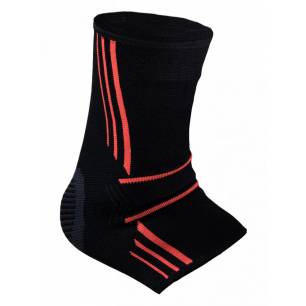
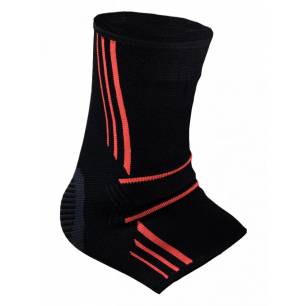
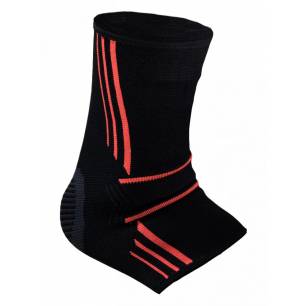
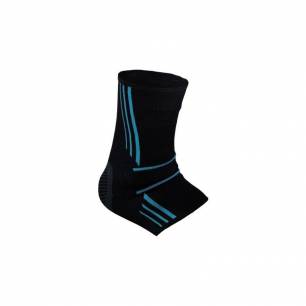
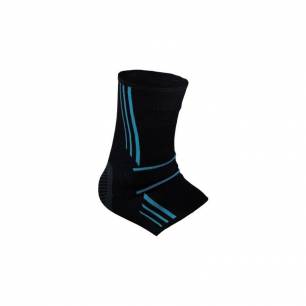
- Compression supports - elastic supports shaped like a short sock or sleeve. They fit closely around the ankle, restrict movement very little and fit easily inside footwear. Suitable for walking and everyday activity.
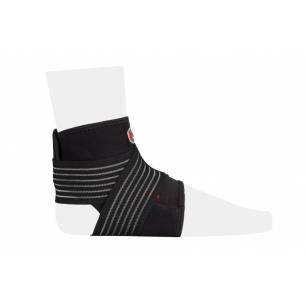
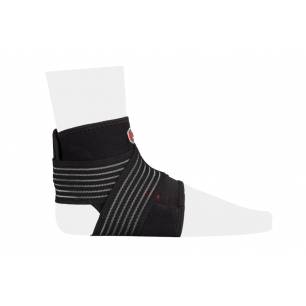
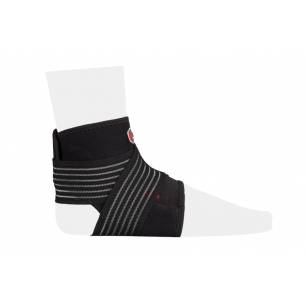
- Neoprene supports with hook-and-loop straps - often secured in a figure-eight pattern around the foot and ankle. The fit can be adjusted easily, while neoprene helps retain warmth.
- Lace-up supports - firmer supports that lace up like shoes. They provide stronger lateral support and are popular in court and team sports.
- Orthopaedic supports and braces - may contain plastic or metal stabilisers. They are used after injuries or for ankle conditions and should be selected with a doctor.
How to choose an ankle support
- Purpose. For walking, standing work and light training, a soft compression support is usually sufficient. For hiking and sports with jumping or quick direction changes, strap or lace-up models are commonly chosen.
- Size. Some manufacturers size products by ankle circumference, while others use shoe size. Always check the size chart for the specific model.
- Footwear. Ankle supports are worn inside shoes, so thickness matters. A firmer lace-up model may require roomier footwear.
- Ease of putting it on. If pulling a tight sleeve over the foot is difficult, choose a hook-and-loop model that can be fastened around the ankle instead.
Frequently asked questions
Which ankle support should I choose?
Choose according to your activity. A lightweight compression support is convenient for walking and everyday use. For hiking over uneven terrain or sports with jumping and quick direction changes, a hook-and-loop or lace-up support can provide firmer lateral support. If you are unsure, an adjustable model is often a practical place to start.
When should an ankle support be worn?
An ankle support is generally worn during activity, such as walking, training, sport or work that involves spending a lot of time on your feet. There is usually no need to wear it continuously throughout the day.
Can I wear an ankle support after a sprain?
After a sprain, strong impact or if the ankle is painful and swollen, seek medical advice first. Return to activity according to professional guidance, as an orthopaedic brace rather than a standard sports support may be needed.
For help choosing the correct size and putting the support on properly, visit the SportFit Help Centre. Other wraps and supports can be found in the Wraps and Supports category.