



Sweeteners
Zero-calorie sweeteners: erythritol for baking, stevia and drops for drinks. Sweetness without sugar or glucose spikes - for dieting, keto and everyday use.
View Left Column
8 products
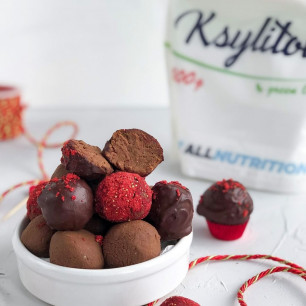
What sweeteners are
Sweeteners are substances that deliver a sweet taste with no sugar and few to zero calories. Some come from plants and fruit, like stevia and erythritol; others are made from sugar itself, like sucralose. What unites them is a glycemic index at or near zero - sweetness without the glucose and insulin spike. That's why sugar substitutes have become a staple for anyone cutting sugar: during weight loss, on keto, for blood sugar management, or simply to loosen the grip of a sweet tooth. A spoonful of sugar is 20 empty kcal, and most people drink five or six cups of tea or coffee a day. Over a year, that small habit adds up to kilograms.
Choosing a sweetener for the job
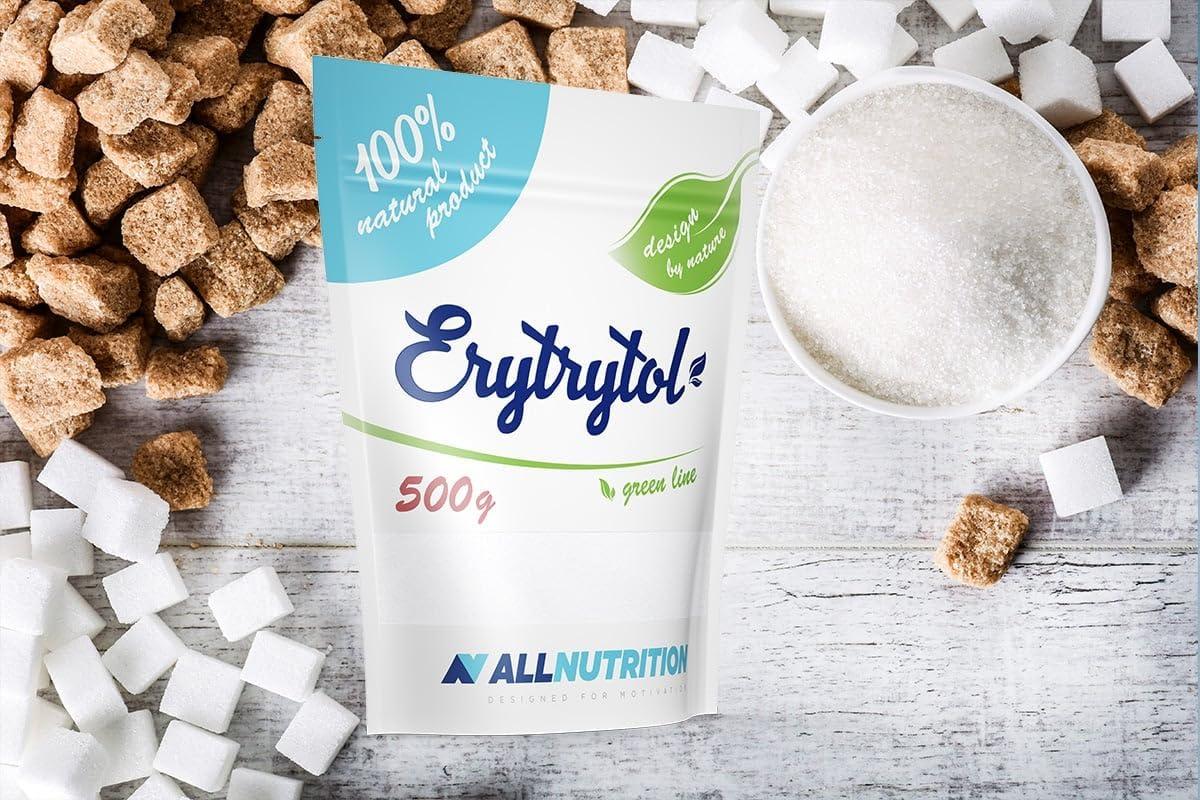
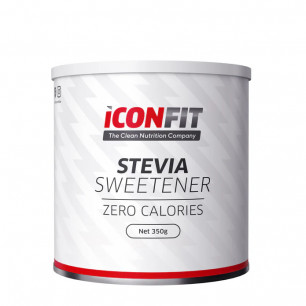
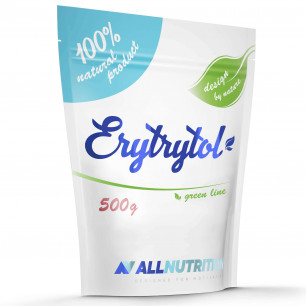
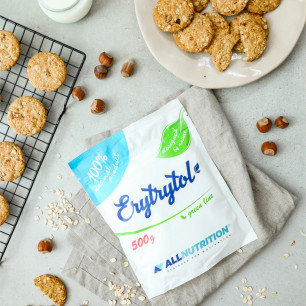
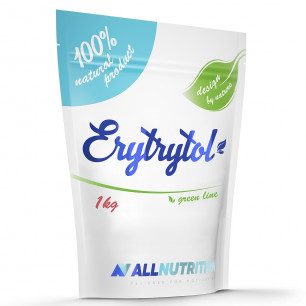
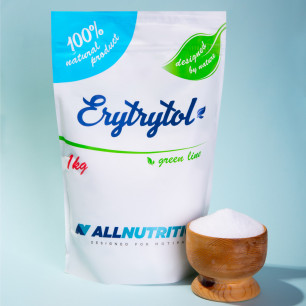
For baking, erythritol is the most convenient: it looks and behaves like regular sugar, measures by the spoon, gives dough volume and survives heat. Its sweetness sits at roughly 70% of sugar's, so you use slightly more. For tea, coffee and drinks, liquid sweetener drops and stevia are the practical picks: a couple of drops or a pinch per cup, and one bottle lasts months. For sauces and hot dishes, sucralose works well - it's heat-stable and doesn't turn bitter. If you want the most natural option, that's stevia, a plant-leaf extract hundreds of times sweeter than sugar; its one quirk is a light herbal note that not everyone loves, which is why manufacturers often blend stevia with erythritol - one supplies clean sweetness and texture, the other brings the power.
Is any of this actually safe
Every second customer asks, and fairly so - the internet has no shortage of sweetener horror stories. The reality is calmer: erythritol, stevia and sucralose are approved by the European regulator EFSA and the American FDA, each substance has an established acceptable daily intake, and normal kitchen use doesn't come close to it. There is one practical nuance with sugar alcohols, erythritol included: eat a lot in one sitting and your stomach may protest, simply because the body can't absorb it all at once. Sensible move - start any new sweetener with small portions. If you have diabetes, are pregnant or manage a chronic condition, discuss your choice with your doctor: not because the product is dangerous, but because diet in those situations deserves an individual approach.
Erythritol vs stevia: the short version
Erythritol is for people who want a one-to-one stand-in for sugar: crystals, neutral taste with a slight cooling touch, ideal in baking and desserts. Stevia is for those who prize natural origin and economy: microscopic doses, zero calories, but a distinctive aftertaste. Can't decide? Take a blend - it's the most common choice among our customers and, on balance of properties, the most trouble-free way to start.
Why buy sweeteners from a sports nutrition store
Honest answer: the same substance here is usually purer and cheaper per kilo than small supermarket packs. The 500-1000 g bags are made for people who genuinely cook sugar-free every day - porridge, baking, cheesecakes, homemade desserts. And sweeteners pair naturally with the rest of the basket: protein powder, sugar-free toppings, pancake mixes - one order covers the entire sugar-free sweet side of your diet.
What is the safest sweetener?
Based on current regulatory data, erythritol and stevia are among the most studied and least controversial options: zero calories, zero glycemic index, natural origin. The one rule that applies to every sweetener equally is moderation.
Can I use sweeteners with diabetes?
Zero-GI sweeteners such as erythritol, stevia and sucralose don't raise blood glucose and are generally permitted. The specific choice with diabetes should still be agreed with your doctor.
What can replace sugar in baking?
Erythritol - it's the only popular sweetener that gives dough volume and texture close to sugar's and doesn't break down under heat. Keep in mind it's about a third less sweet, so adjust the amount.
Why does erythritol feel cool in the mouth?
That's its natural property: as it dissolves, erythritol absorbs heat, producing a light menthol-like effect. In baking and drinks it's barely noticeable; eaten pure, it's more distinct.
How much sweetener per day is fine?
Each substance has its own acceptable intake - for erythritol, up to 1 g per kg of body weight daily is the usual reference. Normal cooking never approaches those figures, but starting small is still wise.
Do sweeteners cause weight gain?
Not by themselves - they carry zero or near-zero calories. Weight gain comes from an overall calorie surplus, and swapping sugar for a sweetener is precisely one way to remove that surplus.