



Magnesium with B6
Magnesium with B6 is one of the most popular mineral and vitamin combinations. Magnesium and vitamin B6 both contribute to the reduction of tiredness and fatigue, normal energy-yielding metabolism and normal functioning of the nervous system. The range includes magnesium with vitamin B6 in capsules, tablets and powder, using different forms of both magnesium and B6. Before buying, check how much magnesium and vitamin B6 the recommended daily serving provides.
View Left Column
19 products
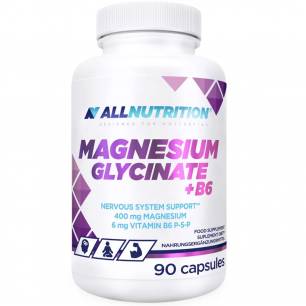


€17.96
-10%
with promo code
SPORTOBER10




€19.90
-10%
with promo code
SPORTOBER10
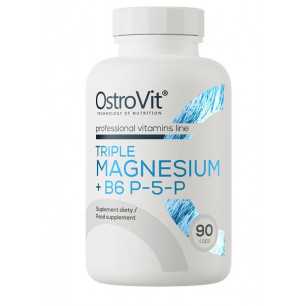
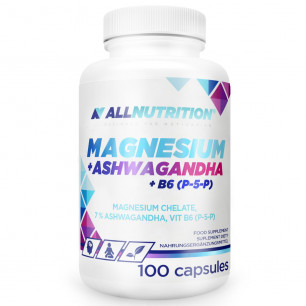
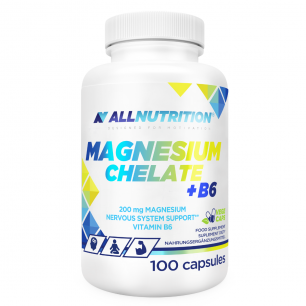
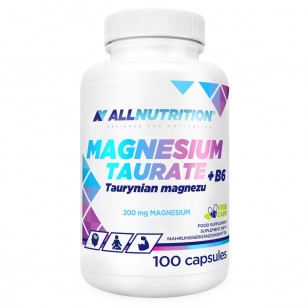



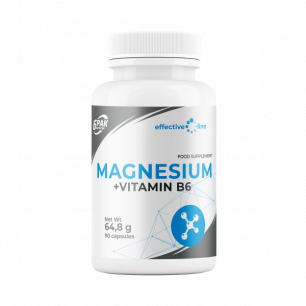



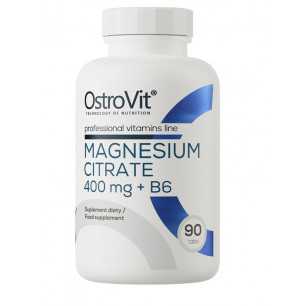
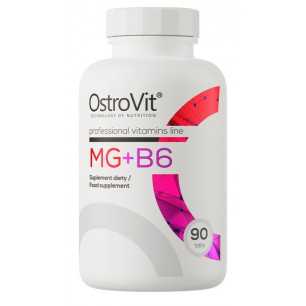
Why are magnesium and vitamin B6 combined?
Magnesium and vitamin B6 share several authorised EU health claims. Both contribute to the reduction of tiredness and fatigue, normal energy-yielding metabolism, normal functioning of the nervous system and normal psychological function. This is why they are often combined in one formula - it can be more convenient than taking two separate supplements.
Does B6 improve magnesium absorption?
This is a common claim, but there is insufficient evidence to support it and there is no authorised EU health claim stating that vitamin B6 improves magnesium absorption. Magnesium with B6 should therefore be chosen because you want both nutrients, rather than for supposedly better magnesium absorption. If you already obtain vitamin B6 from another supplement, magnesium without B6 may be more suitable.
Pyridoxine or P-5-P: which form of B6 is used?
In magnesium B6 supplements, vitamin B6 is commonly found in two main forms:
- Pyridoxine hydrochloride - the classic and most widely used form. The body converts it into the active form.
- P-5-P (pyridoxal-5-phosphate) - the active form in which vitamin B6 functions in the body.
Both are sources of vitamin B6. The form is listed in the ingredients, but the amount of B6 per serving is generally more important when comparing products.
How much vitamin B6 is in a serving and why does it matter?
Long-term intake of high doses of vitamin B6 can cause disturbances in nerve sensation. In 2023, EFSA established a tolerable upper intake level for adults of 12 mg of vitamin B6 per day from all sources.
Vitamin B6 is also frequently found in multivitamins, B-complex supplements, sports products and energy formulas. If you use these together with magnesium B6, add up the B6 amounts shown on all labels. If the total becomes high, magnesium without additional B6 may be a better choice.
Frequently asked questions
Which magnesium B6 is best?
There is no single best product for everyone. A practical comparison is based on three points: the amount of elemental magnesium in the daily serving, the amount of vitamin B6 including other supplements you already take, and the format you find easiest to use - capsules, tablets or powder. The forms of magnesium and B6 are listed in the ingredients.
What is magnesium B6 taken for?
To supplement magnesium and vitamin B6 intake when dietary intake is insufficient. Both nutrients contribute to the reduction of tiredness and fatigue, normal energy-yielding metabolism and normal functioning of the nervous system.
How should magnesium B6 be taken?
Take it with food and according to the manufacturer's directions. If the daily serving contains several capsules or tablets, it can be divided into two doses.
Can magnesium B6 be taken every day and for how long?
Yes, within the manufacturer's recommended daily serving. There is no single mandatory course length - follow the instructions on the product. Long-term supplementation in people with chronic conditions or alongside regular medication should be discussed with a doctor.
For more information about medicines that may interact with magnesium and situations where medical advice is recommended, see the page about magnesium and its forms.