



Glycine
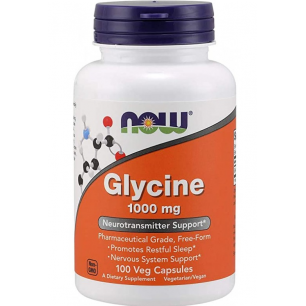
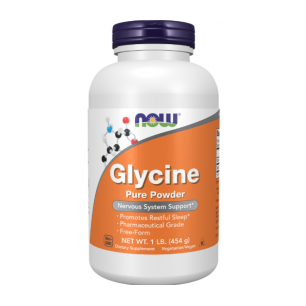
Glycine is the simplest amino acid: its molecule is smaller than that of any other amino acid. The body produces glycine itself and also obtains it from protein-rich foods. Supplements come in different forms, from small dissolvable tablets to powder that can be mixed into a glass of water. This category includes glycine capsules, tablets and powders in different strengths, including glycine forte and glycine 1000 mg products. Before buying, compare the amount of glycine per serving and any additional ingredients.
7 products



What is glycine?
Glycine, also known as aminoacetic acid, is a non-essential amino acid, meaning the body can synthesise it. Glycine is also obtained from meat, fish, dairy products, legumes and foods rich in gelatine. It is present in many proteins in the body - for example, roughly every third amino acid in collagen is glycine - and it is involved in the formation of creatine and glutathione.
Glycine has a mildly sweet taste, so the powder is easy to mix into water or other drinks.
Does glycine have proven benefits?
Glycine is often promoted for stress, sleep and memory. These effects are being studied, but there are no authorised EU health claims for glycine supplements. For that reason, we do not promise a specific effect and instead explain what glycine is and how to choose a suitable product.
Glycine forms and dosages
- Dissolvable tablets - usually contain a smaller amount, often around 100 mg. They are placed under the tongue or between the gum and cheek until dissolved.
- Capsules - commonly 500-1000 mg. A convenient option when you want a measured dose without flavour.
- Glycine powder - the most flexible format: the amount can be measured with a scoop and mixed into water, tea or another drink.
- Combination formulas - glycine together with B vitamins, magnesium or other ingredients.
How to choose glycine
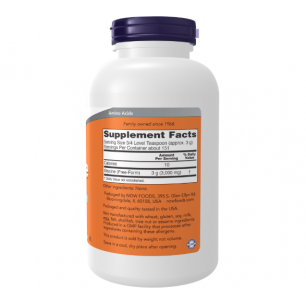
- Amount per serving. Dosages vary considerably, from about 100 mg per tablet to several grams per serving of powder. Compare the amount of glycine in the daily serving.
- Format. Tablets and capsules are convenient, while powder allows more flexible dosing and often a lower price per gram.
- Ingredients. If you only want glycine, choose a product without additional active ingredients. For a combination formula, check what else it contains.
Frequently asked questions
What is glycine forte?
“Forte” usually means that the product contains more glycine per serving than a standard version or that glycine is combined with other ingredients such as B vitamins. Check the label for the exact composition.
Are glycine and magnesium glycinate the same thing?
No. Glycine is an amino acid. Magnesium glycinate, also called magnesium bisglycinate, is a form of magnesium in which the mineral is bound to glycine. If you are looking for magnesium, visit the Magnesium category.
Is glycine allowed in the EU?
Yes, glycine is sold as a food supplement in the EU. In some other countries, dissolvable glycine tablets may be registered as medicines, so sales and labelling rules can differ.
Who should speak to a doctor?
Consult a doctor during pregnancy or breastfeeding, with kidney or liver disease, or when taking medication, particularly medicines that affect the nervous system. High doses of glycine may occasionally cause nausea or digestive discomfort.