



Alpha-lipoic acid
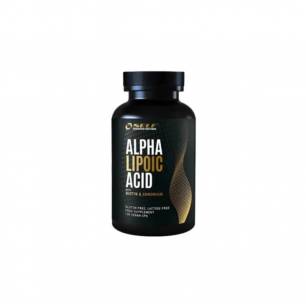
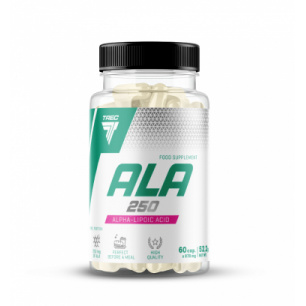
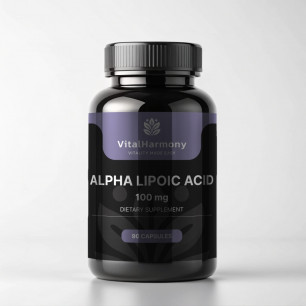
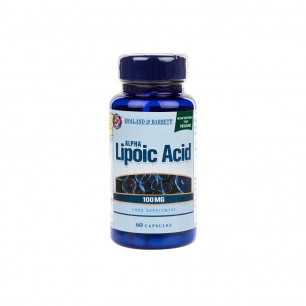
Alpha-lipoic acid (ALA, thioctic acid) is a sulphur-containing compound that the body also produces in small amounts. The range includes alpha-lipoic acid supplements in capsules and tablets from 100 to 600 mg. Before buying, check two things: the amount per capsule or tablet and the form - standard R/S alpha-lipoic acid or R-alpha-lipoic acid.
7 products




What is alpha-lipoic acid?
Alpha-lipoic acid is an organic sulphur-containing compound. In the body it forms part of mitochondrial enzyme complexes involved in metabolism. The human body produces small amounts itself, and small quantities are also obtained from food.
The compound is soluble in both water and fat and is classed chemically as an antioxidant. Another name is thioctic acid, while English-language sources and product labels commonly use the abbreviation ALA.
Does alpha-lipoic acid have proven health benefits?
Online, alpha-lipoic acid is often discussed in relation to the liver, blood sugar, weight loss and the nervous system. It is important to distinguish between medical research and food supplements.
Alpha-lipoic acid has been studied in medicine, and in some countries high-dose thioctic acid is registered as a medicine for specific conditions. Such treatment is prescribed by a doctor. A food supplement is not a medicine.
There are no authorised EU health claims for alpha-lipoic acid in food supplements. For this reason, specific health effects should not be promised. The useful comparison is instead the form, serving size and product composition.
Standard alpha-lipoic acid or R-alpha-lipoic acid
The alpha-lipoic acid molecule occurs in two mirror-image forms: R and S.
- R-form - the form naturally produced in the body and found in food.
- Standard alpha-lipoic acid in most supplements - usually a roughly equal mixture of the R and S forms.
Supplements containing R-alpha-lipoic acid are usually more expensive and often use a lower dose. The form is stated in the ingredients: “alpha-lipoic acid” without further specification normally refers to the mixture, while the R-form is labelled separately as R-ALA or R-lipoic acid.
Dosage: 100, 300 or 600 mg
Supplements commonly provide 100, 200, 300 or 600 mg per capsule or tablet. A higher amount per capsule means fewer capsules may be needed, but it also gives less flexibility when adjusting the serving. If you are starting for the first time, a lower-strength product may be easier to use. Always follow the manufacturer's recommended daily serving.
How to take alpha-lipoic acid
- On an empty stomach. Food can reduce absorption, so many manufacturers recommend taking it around 30 minutes before a meal.
- Separately from minerals. Iron, magnesium, calcium supplements and dairy products are often recommended to be taken several hours apart.
- Do not exceed the serving. Higher amounts may cause nausea or stomach discomfort.
Frequently asked questions
What is alpha-lipoic acid taken for?
It is used as a supplemental source of a compound that the body also produces in small amounts. There are no authorised EU health claims for alpha-lipoic acid food supplements. If you are expecting a specific health effect, discuss its use with a doctor.
Does alpha-lipoic acid help with weight loss?
No. Alpha-lipoic acid is not a weight-loss product and there are no authorised claims that it reduces body weight.
Which foods contain alpha-lipoic acid?
It is found in organ meats such as liver, kidney and heart, as well as red meat. Plant sources include spinach, broccoli and Brussels sprouts. The amounts found in food are very small compared with those provided by a supplement capsule.
Who should speak to a doctor before taking it?
People with diabetes, because alpha-lipoic acid may affect glucose levels and interact with glucose-lowering medicines. Medical advice is also appropriate during pregnancy and breastfeeding, with thyroid, liver or kidney conditions, and when taking medicines regularly. Children should not use the supplement without medical advice.
Other products in this group can be found in the Antioxidants category.
This information is for general reference and does not replace medical advice.