Vitamins and minerals
Vitamins and minerals matched to your goal: vitamin D for northern winters, magnesium for training, complexes for women, men and kids. 330+ clean-label products.
355 products
What vitamins and minerals do, and why supplement at all
Vitamins and minerals are micronutrients your body can't produce in sufficient amounts on its own, yet nothing runs without them - not metabolism, not the nervous system, not immunity. In an ideal world, food covers everything. In practice, diets are rarely ideal: winter means less fresh produce, weight loss cuts out whole food groups, and hard training increases the turnover of certain minerals. Supplements don't replace food and don't treat disease - they close specific gaps. The more precisely you know your gap, the more useful the purchase.
Vitamin D: the Northern European deficiency

If you had to pick one supplement from this entire category, for anyone living in the Baltics or Nordics it would almost always be vitamin D. Your skin makes it from sunlight, and at these latitudes sunlight is critically scarce from October through April - during those months most people run low, something national nutrition guidelines across Northern Europe openly acknowledge. The signs are easy to blame on "just winter": fatigue, drowsiness, one cold after another. Dosing is best guided by a 25(OH)D blood test - that way you take exactly what your body needs rather than guessing.
Choose by goal, not by advertising
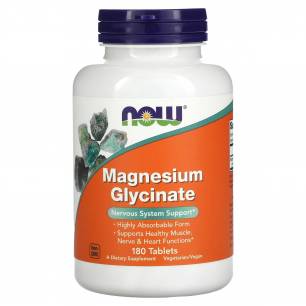
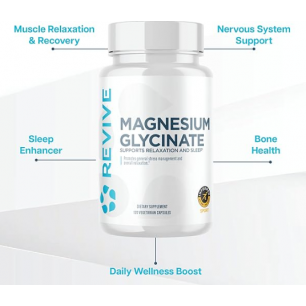
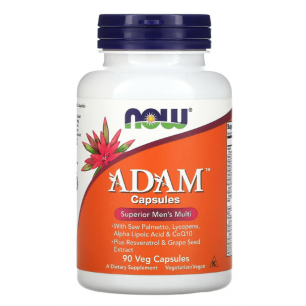
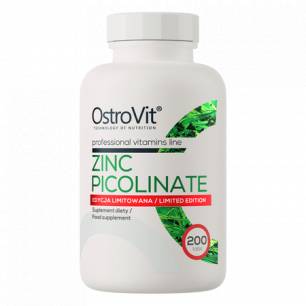
For general upkeep with no specific complaints or test results, a quality multivitamin is the sensible start - a little insurance across the board. If you train regularly, look at magnesium: it's involved in muscle and nerve function and leaves the body with sweat; night-time calf cramps and a twitching eyelid are its classic calling cards. Women more often need iron, folic acid and skin-and-hair complexes; men - zinc and magnesium; kids - vitamin D and omega-3 in formats a child will actually agree to take. Each of these needs has its own subcategory in the catalogue, so you don't have to sift through 330 products by hand.
What to check before buying
First, the form of the compound. Chelated minerals - magnesium or iron bisglycinate, for instance - absorb more gently and upset the stomach less often than oxides and sulfates. For vitamin D, look for D3; it outperforms D2. Second, dose versus the daily reference intake: more is not better, and fat-soluble vitamins A, D, E and K accumulate, making excess worse than mild shortage. Third, an honest formula - not a dozen ingredients in trace amounts added for label decoration. Fourth, compatibility: iron and calcium compete for absorption and are better taken hours apart, while vitamin D with a fatty meal is, on the contrary, a good match.
About tests and doctors - honestly, without lecturing
The most common mistake in this category is taking everything "just in case". Vitamins work where a deficiency exists, and a blood panel costs less than a shelf of useless jars. If you have a chronic condition, take medication, are pregnant or are choosing supplements for a child - a short conversation with a doctor first, then the basket. That's not boilerplate: some supplements genuinely interact with medicines, and a professional spots it faster than a search engine.
Which vitamins should I take in autumn and winter?
At northern latitudes, the baseline candidate is vitamin D3 - most people run short in winter. Beyond that, it depends: with persistent fatigue and frequent colds, it's worth checking iron and B12 levels too and letting the results decide.
Can I take vitamins continuously without breaks?
Depends on the compound. Vitamin D through winter and magnesium alongside hard training are commonly taken long-term, but high-dose fat-soluble vitamins shouldn't run unmonitored - they accumulate. The guardrails: doses within the daily reference intake and, ideally, a blood test once a year.
Multivitamin or single vitamins - which is better?
A multivitamin is daily insurance when the deficiency is unknown. Single compounds are the precision tool once a test has found the gap. A working setup many customers use: a base multivitamin plus separate D3 and magnesium at sensible doses.
When is the best time to take vitamins - morning or evening?
Fat-soluble ones (D, A, E, K) and omega-3 go with a meal containing fat, usually morning or midday. Many take magnesium in the evening - it supports relaxation. Iron goes separately from coffee, tea and calcium, which block its absorption.
Why don't I feel any effect from vitamins?
Three usual reasons: you weren't deficient in that particular compound, the form absorbs poorly, or the timing clashes with something else. Correcting a real deficiency typically shows in weeks, not days.
Are sports-store vitamins different from pharmacy ones?
The active compounds are the same. The differences are usually doses calculated for active people, better-absorbing forms, and price per serving - 90-120 capsule tubs work out cheaper than one-month pharmacy packs.