



Vitamins for women
Vitamins for women with iron, vitamin D and magnesium — for energy, beauty and hormonal balance support.
17 products

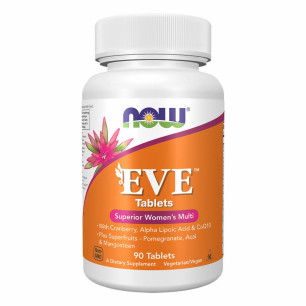
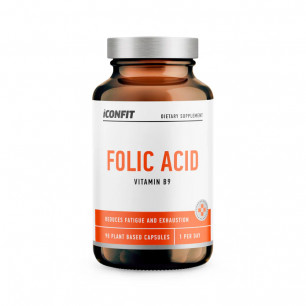
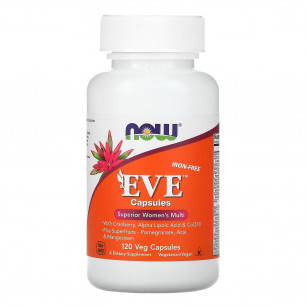
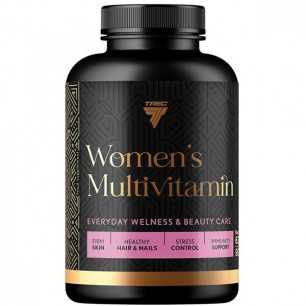

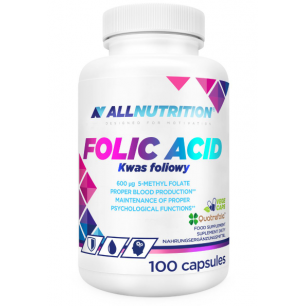

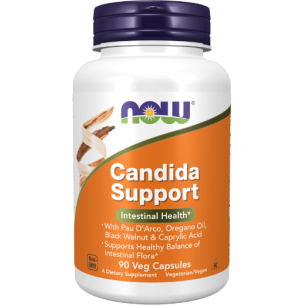
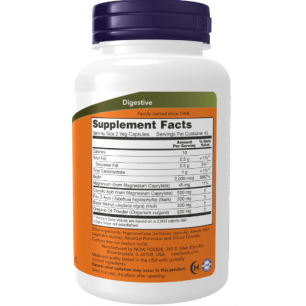
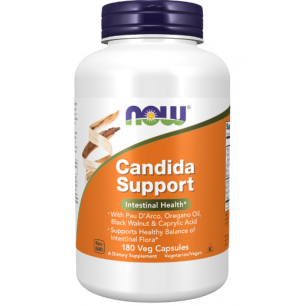

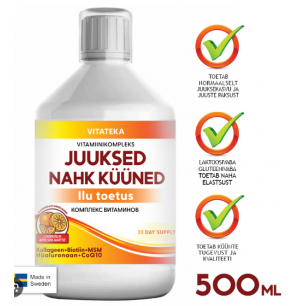
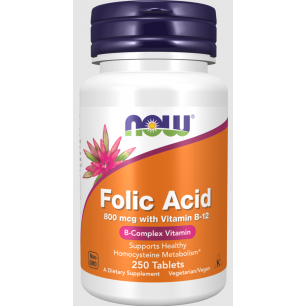
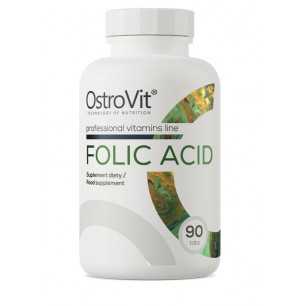
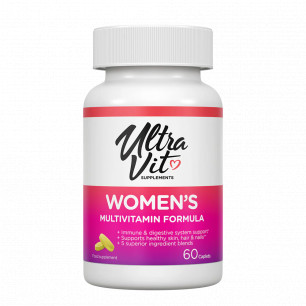
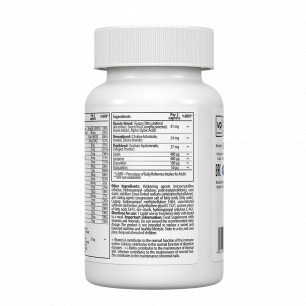
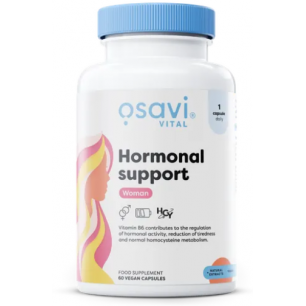
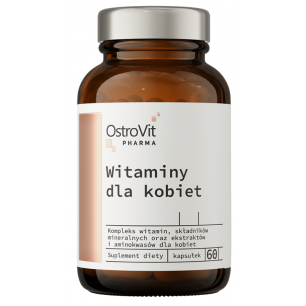
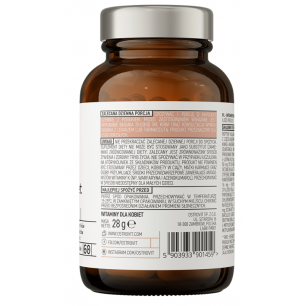
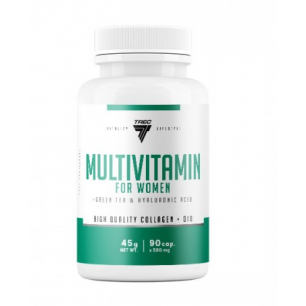
How to choose vitamins for women
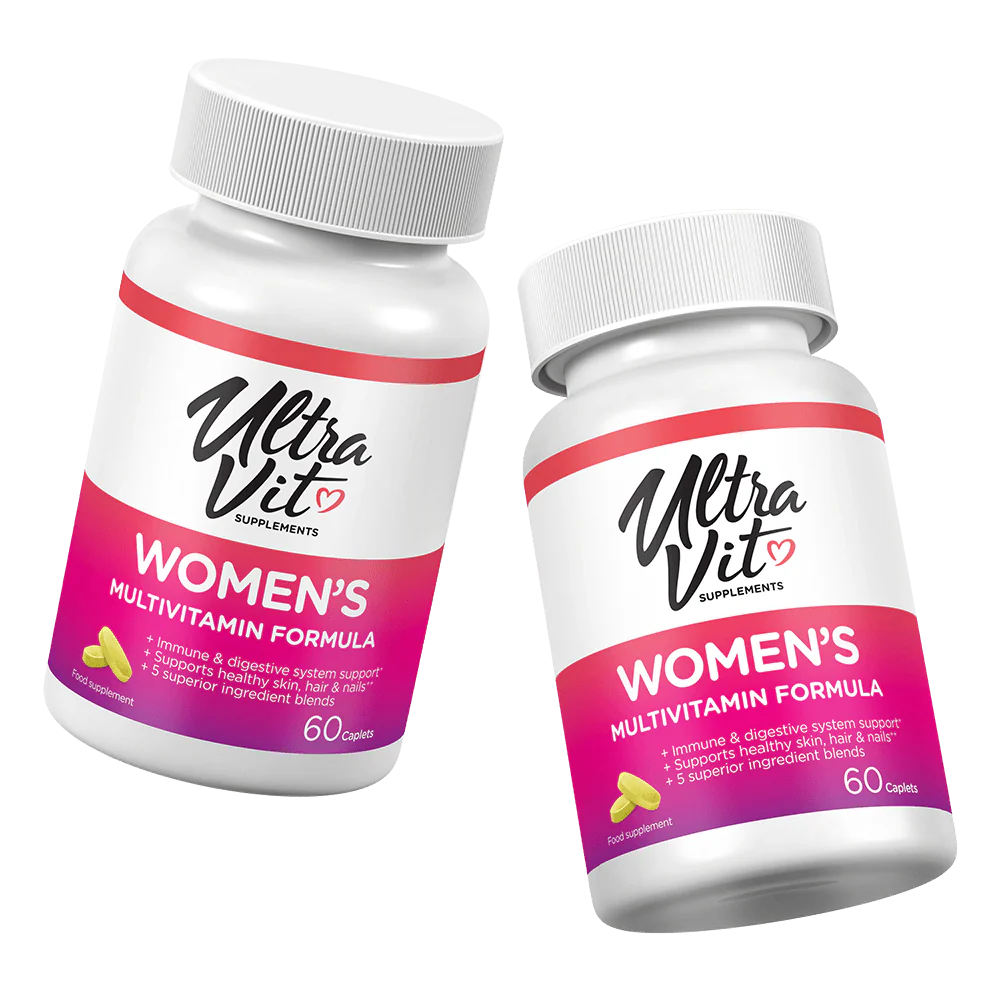
Women’s formulas differ from universal multivitamins not only by packaging: they usually contain a higher proportion of iron because of menstrual losses, added folic acid for reproductive health and more frequent ingredients for skin, hair and nails, such as biotin and collagen. The first thing to look at is the form of iron: chelated iron, or bisglycinate, is usually gentler than classic sulphate and less likely to cause digestive discomfort. The second point is vitamin D3 instead of D2: it is absorbed better and is especially important in regions with little sunlight. The third point is the presence of magnesium and calcium in a balanced ratio, because too much of one mineral can interfere with the absorption of another. A good complex states the exact percentage of the daily value for each nutrient, rather than a vague phrase such as "vitamin and mineral set".
Who vitamins for women are suitable for
Such complexes are relevant for those who monitor their energy levels during high workload or intensive training, because physical activity increases the need for magnesium and B vitamins. For women with irregular eating habits, dietary restrictions or a vegetarian diet, vitamins for women help cover iron and B12 deficiencies that are harder to get from food alone. With age, especially after 40, interest grows in nutrients for bone density — calcium, vitamin D and magnesium. This category is also useful for those who want to support the condition of skin, hair and nails systematically, rather than solving it with separate individual supplements.
Vitamins for women for energy, beauty and hormonal balance
For daily energy support, complexes with B vitamins and iron are most often chosen, as they take part in cellular metabolism and oxygen transport. For the beauty of skin, hair and nails, look for biotin, zinc and collagen in the formula. During periods of hormonal change, including menopause, women pay attention to formulas with calcium, vitamin D and plant ingredients traditionally used for gentle support during this period. The effect of vitamins for women is cumulative, so regular use throughout the course is more important than one high dose before an important event.
What to pay attention to when buying
Check the dosage of each component as a percentage of the daily value — this allows you to compare different complexes objectively, rather than by the total number of ingredients. Look at the form of iron and magnesium: chelated compounds are absorbed better than basic oxides and sulphates. Pay attention to the absence of excessive colourings, flavourings and unnecessary fillers in the formula. And do not choose vitamins for women only by the number of components in the formula — a balanced composition of 10–12 key nutrients often works better than an overloaded formula with dozens of ingredients in microdoses.
What are the most important vitamins for women?
Iron, vitamin D, magnesium and B vitamins are most often highlighted — they take part in energy metabolism, nervous system function and maintaining bone density.
Which vitamins can be taken without a doctor’s prescription?
In preventive dosages, vitamin D and magnesium are usually acceptable without consultation, while fat-soluble vitamins and iron are better chosen after blood tests, as excess amounts can accumulate in the body.
What should a woman take for low energy and fatigue?
B vitamins, iron and magnesium are most often considered, and with long-term fatigue it is sensible to first check ferritin and vitamin D levels with a doctor.
Which vitamins does a woman need after 40?
At this age, more attention is usually paid to calcium, vitamin D, magnesium and vitamin B12, which are linked to bone density and energy metabolism.
Can vitamins for women be taken every day?
The duration of use depends on the specific formula and goal, so follow the manufacturer’s instructions and consult a specialist for a long-term course.