



Vitamins for children
Vitamins for children include drops, chewable tablets and lozenges containing vitamins and minerals with age-specific directions. The range includes Carlson vitamin D for babies, OstroVit vitamin C with colostrum, chewable calcium, zinc and probiotic chewables . Before choosing, compare the format and amount with the child's age stated on the product label.
6 products
Updated: 25 August 2026.
How to choose vitamins for children
The choice of vitamins and supplements for a child depends on age, diet and individual circumstances. Healthy children with a varied diet do not always need additional vitamins, although certain nutrients may be considered in specific situations. Vitamin D, for example, may be relevant for babies, while restrictive or highly selective diets may lead a healthcare professional to consider iron, zinc, vitamin B12 or other nutrients.
It is advisable to speak to a paediatrician before starting any supplement for a child, particularly products containing iron, vitamin D or other nutrients where age-appropriate amounts are especially important.
At a glance
- The format should suit the child's age: drops are often convenient for babies and younger children, while chewable tablets and lozenges are intended for children able to chew them safely.
- The serving on the label is designed for a particular age range – do not use children's supplements outside the stated age range without professional advice.
- With iron and vitamin D, it is particularly important to follow the manufacturer's stated amount.
- Not every child needs additional vitamins – if unsure, discuss the choice with a paediatrician.
Comparison of products in the category
| Product | Main ingredient | Format | Feature |
|---|---|---|---|
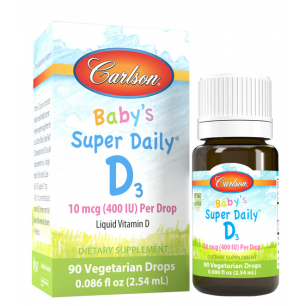
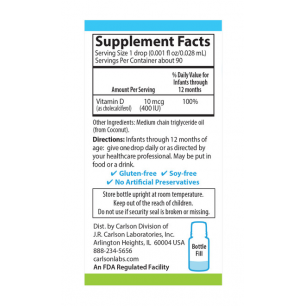
| Baby's Super Daily D3, 400 IU | Vitamin D3 | Drops, 10 ml | Liquid format with drop-by-drop dosing |
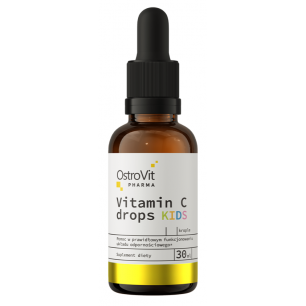
| Vitamin C KIDS, OstroVit | Vitamin C with colostrum | Drops, 30 ml | Liquid format for convenient measuring |
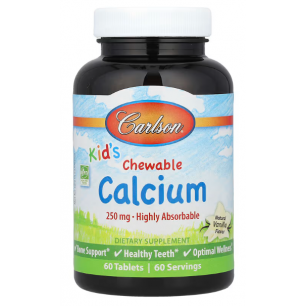
| Chewable Calcium for Children, Vanilla | Calcium | Chewable tablets, 250 mg | For children for whom a chewable format is appropriate |
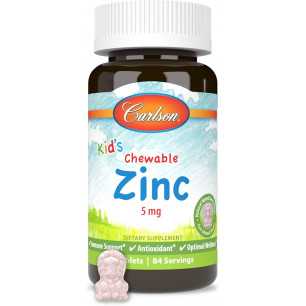
| Children's Chewable Zinc, Mixed Berry | Zinc | Chewable tablets, N84 | Berry flavour |
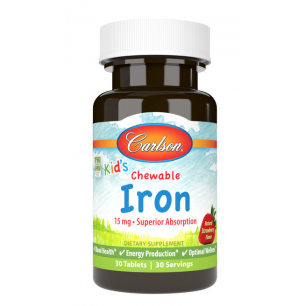
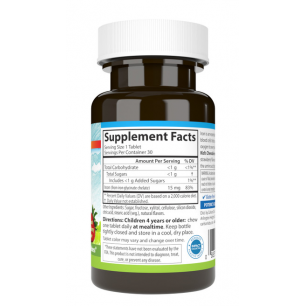
| Children's Chewable Iron, Strawberry | Iron, 15 mg | Chewable tablets, N60 | Age-appropriate amount requires particular attention |
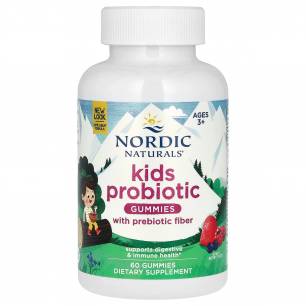
| Probiotic Gummies, Merry Berry Punch | Probiotic cultures | Chewable gummies, N60 | Convenient chewable format |
The table is intended for quick comparison of product format and composition and is not a dosing recommendation for an individual child.
Vitamin D for children
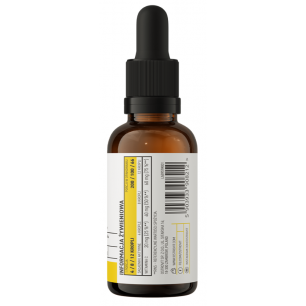
Vitamin D is needed for normal growth and development of bone in children and contributes to the normal function of the immune system. A liquid product such as Carlson Baby's Super Daily D3 can be measured by drops, which can be convenient for babies and younger children.
Always check the amount of vitamin D per drop or serving and the manufacturer's age recommendations.
Vitamin C for children
Vitamin C contributes to the normal function of the immune system and to the protection of cells from oxidative stress. Children's products are available in different formats, including liquids such as OstroVit Vitamin C KIDS with additional ingredients.
Before use, check the recommended age, amount of vitamin C per serving and the complete formula.
Chewable calcium and zinc
Calcium is needed for normal growth and development of bone in children, while zinc contributes to normal immune function and the maintenance of normal bones. Chewable tablets can be convenient for children who are able to chew such products safely.
The minimum age and serving size depend on the individual product, so follow the manufacturer's label.
Iron for children
Iron contributes to normal cognitive development of children and to the normal formation of red blood cells and haemoglobin. Supplements containing iron require particular care with the amount used.
Iron should not be given simply on the basis of non-specific symptoms or an assumed deficiency. The need for supplementation and the appropriate amount should be discussed with a paediatrician.
Probiotics for children
Probiotic products can contain different microbial strains and may vary considerably in composition. When choosing, check the specific strains, the amount of microorganisms, recommended age and storage conditions.
Chewable formats may be convenient for children for whom gummies or chewable tablets are suitable according to the manufacturer's instructions.
Does a child need vitamins in addition to food?
Many healthy children with a varied diet obtain the nutrients they need from food. Additional supplements may be considered depending on age, dietary pattern, restrictive diets, medical advice and other individual factors.
If a child uses several vitamin or mineral products at the same time, compare the formulas to avoid duplicating the same nutrients.
Delivery of children's vitamins
Orders are delivered across Estonia, Latvia, Lithuania and other European countries. The catalogue includes genuine products sourced from official suppliers.
Frequently asked questions about vitamins for children
Which vitamins should I choose for my child?
There is no single option that suits every child. The choice depends on age, diet and the specific need. Compare the formula, amount per serving and manufacturer's age guidance, and consult a paediatrician if you are unsure.
At what age can children take vitamins?
It depends on the individual product. Each supplement should state a recommended age and serving size on the label. Drops may be suitable for babies, while chewable products are generally intended for older children.
Does my child need a multivitamin if they eat well?
Not necessarily. Many children with a varied, balanced diet obtain sufficient nutrients from food. Whether an additional formula is appropriate depends on the diet and paediatric advice.
Can children take adult vitamins in a smaller dose?
This is not recommended without professional advice. Adult products may differ not only in the amount provided but also in ingredient forms, combinations and directions for use. It is better to choose a product that explicitly states the child's age range on the label.
This information is for general reference and does not replace advice from a paediatrician, particularly when choosing iron, vitamin D or supplements for younger children.