Healthy fats
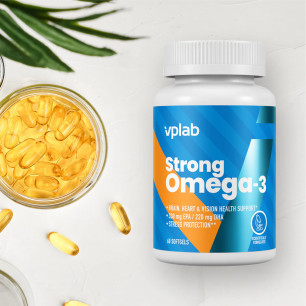
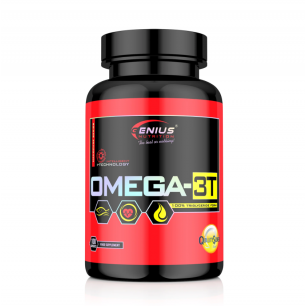
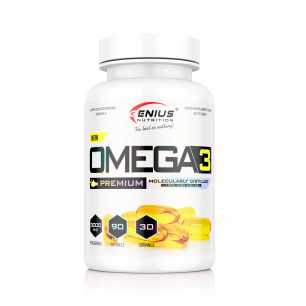
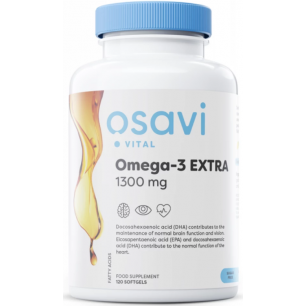
Healthy fats are a category of food supplements and oils containing different fatty acids and lipid-based ingredients. SportFit offers omega-3, fish oil, krill oil, MCT, evening primrose oil, cod liver oil, CLA and other products in capsules, liquids and powders.
55 products
ф
Healthy fats are a category of products containing fatty acids, oils and lipid-based ingredients used as part of the everyday diet. They include sources of omega-3 fatty acids as well as other oils and compounds such as MCT, evening primrose oil, CLA, caprylic acid and lecithin.
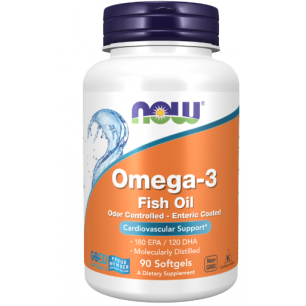
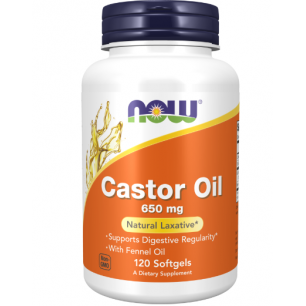
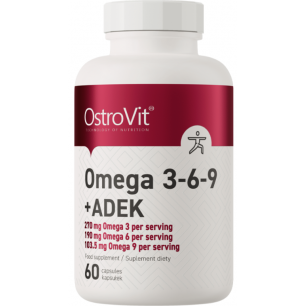
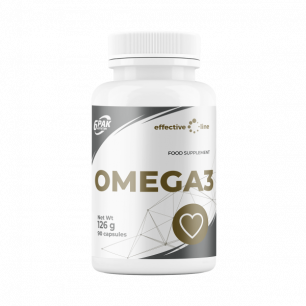
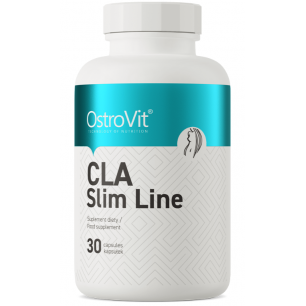
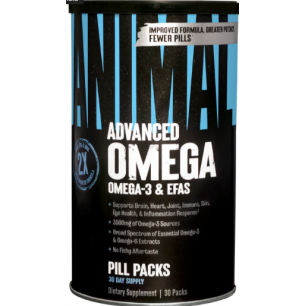
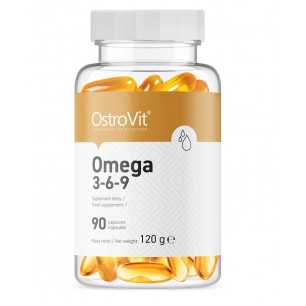
The SportFit range includes fish oil, krill oil, omega-3, omega 3-6-9, cod liver oil, MCT, evening primrose oil, castor oil capsules, CLA and other products. They differ considerably in source, fatty acid profile, format and the amount of active ingredients per serving.
What types of healthy fats and oils are available?
Not all products in this category are the same. Some are sources of long-chain omega-3 fatty acids, while others contain medium-chain triglycerides or specific plant oils.
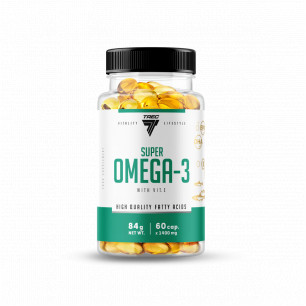
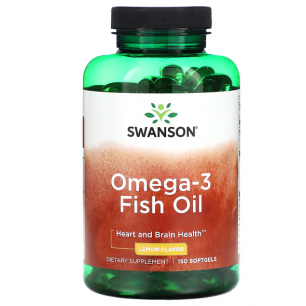
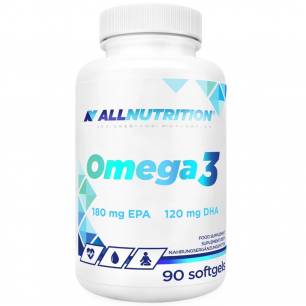
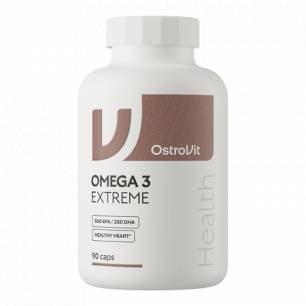
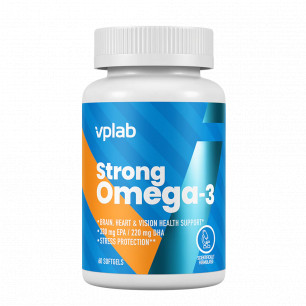
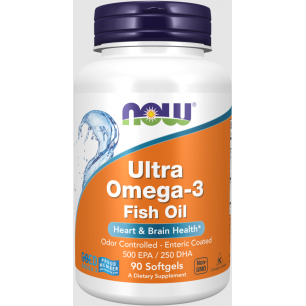
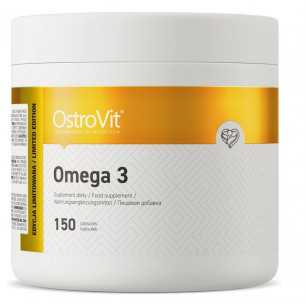
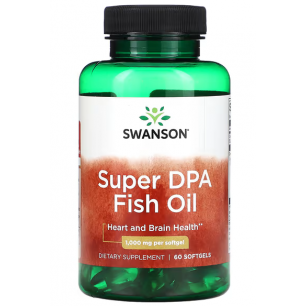
- Omega-3 and fish oil - products commonly compared by the amount of EPA and DHA in one serving.
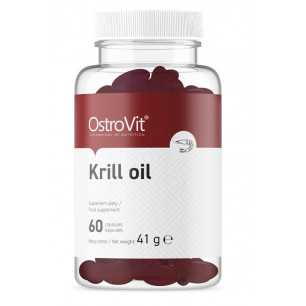
- Krill oil - a marine source of fatty acids, most commonly available as softgels.
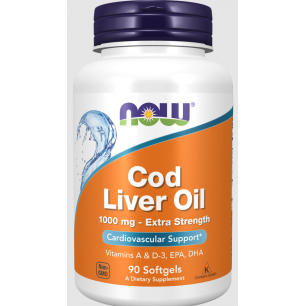
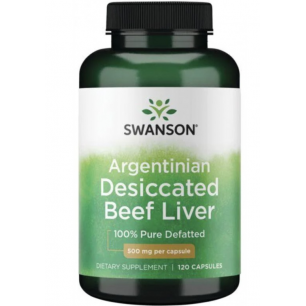
- Cod liver oil - differs from standard fish oil in its composition and may also contain fat-soluble vitamins.
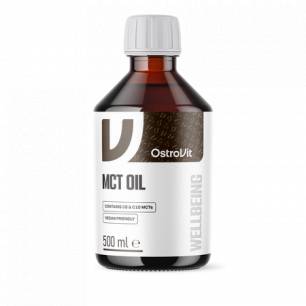
- MCT oil - a mixture of medium-chain triglycerides available in liquid and powder form.
- Evening primrose oil - a plant oil containing, among other fatty acids, gamma-linolenic acid or GLA.
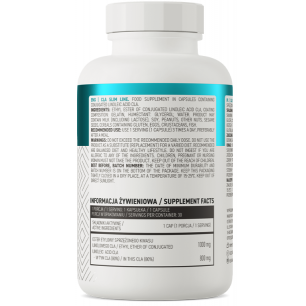
- CLA - conjugated linoleic acid, available in capsules, softgels and powders.
- Caprylic acid - a medium-chain fatty acid also available as a standalone supplement.
- Lecithin - a mixture of phospholipids available in capsules, granules or powder.
How to choose omega-3 and fish oil?
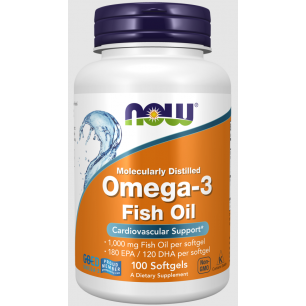
When choosing omega-3, it is more useful to look beyond the large “Fish Oil” label or the total weight of fish oil and check the actual amount of EPA and DHA in the recommended daily serving. Two products containing the same total amount of fish oil may provide very different amounts of these fatty acids.
It is also worth checking the source of the raw material, the number of capsules per serving and any additional ingredients such as vitamin D or vitamin E.
Krill oil or fish oil: what is the difference?
Krill oil and fish oil are different marine-derived products. Both may contain omega-3 fatty acids, but they differ in their source material and lipid form. They should therefore be compared by the amount of EPA and DHA per serving rather than only by the number of milligrams of oil.
If the omega-3 amount itself is important, use the ingredient table as the main reference. When choosing krill oil as a standalone product, also check the number of capsules and the manufacturer's recommended serving.
How is MCT oil different from omega-3?
MCT and omega-3 are different groups of fats. MCT stands for medium-chain triglycerides, whereas omega-3 refers to particular polyunsaturated fatty acids. MCT oil therefore cannot be considered a substitute for fish oil or krill oil.
When choosing MCT, check its source and composition, including the amount of caprylic acid C8 and capric acid C10 where the manufacturer lists these separately.
What is evening primrose oil?
Evening primrose oil is obtained from the seeds of Oenothera biennis. It contains linoleic acid and gamma-linolenic acid, or GLA. In food supplements, evening primrose oil is usually supplied in softgels with the amount of oil and GLA stated per serving.
When comparing products, it can be useful to check the GLA content where this is stated by the manufacturer rather than looking only at the total weight of the oil.
What is cod liver oil?
Cod liver oil is obtained from the liver of cod-family fish. It differs from standard fish oil not only in its source but also in its composition. These products may contain omega-3 fatty acids and fat-soluble vitamins.
If you also use other vitamin complexes, check the full formula to avoid unnecessarily duplicating the same vitamins across several supplements.
What is CLA?
CLA stands for conjugated linoleic acid. In food supplements it may be sold separately or included in combination products alongside other ingredients. CLA is available in capsules, softgels and powders.
When comparing products, check the amount of CLA in the recommended daily serving rather than only the total weight of the oil or the number of capsules in the pack.
Does castor oil in capsules count as a healthy fat?
Castor oil is a plant oil whose main fatty acid is ricinoleic acid. It may be available in capsule form as a supplement. However, castor oil should not be considered equivalent to omega-3, MCT or krill oil, because its fatty acid composition and intended product use are different.
Castor oil should only be used according to the manufacturer's directions. A food supplement should not be used independently as a method for “cleansing the intestines” or for other medical purposes.
How to compare healthy fat supplements?
It is better to focus on specific composition figures:
- EPA and DHA - for fish oil, omega-3 and krill oil;
- C8 and C10 - where these fractions are stated for MCT;
- GLA - for evening primrose oil;
- CLA per serving - for conjugated linoleic acid supplements;
- vitamins A and D - where present in cod liver oil;
- daily serving size - for accurately comparing different packs.
Do fats need to come only from supplements?
Food supplements do not replace ordinary foods. Dietary fats come from fish, nuts, seeds, plant oils, eggs and other foods. Supplements can be used as an additional source of specific fatty acids or oils where that format fits the diet.
If you are pregnant, have a chronic condition, regularly take medication or use several products containing fat-soluble vitamins, supplement selection should be discussed with a qualified professional.
Frequently asked questions about healthy fats
What counts as healthy fats in food supplements?
The healthy fats category includes omega-3, fish oil, krill oil, MCT, evening primrose oil, cod liver oil, CLA and other products. They contain different fatty acids and are not direct equivalents of one another. When choosing, check the specific source and the composition of one recommended serving.
Which is better: krill oil or omega-3 from fish oil?
Krill oil and fish oil are different sources of omega-3, so there is no universally better option. For a practical comparison, check the amount of EPA and DHA in one daily serving, the number of capsules, the source of the raw material and any additional ingredients.
How should omega-3 capsules be compared?
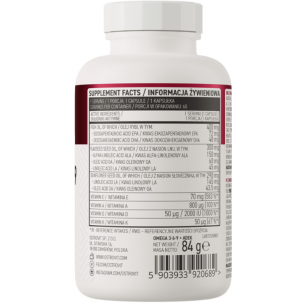
Omega-3 products are best compared by the amount of EPA and DHA in the recommended daily serving rather than by the total weight of fish oil. For example, a label stating 1000 mg Fish Oil does not mean that the capsule contains 1000 mg of EPA and DHA. The exact figures should be checked in the supplement facts table.
How is MCT oil different from ordinary vegetable oil?
MCT oil contains mainly medium-chain triglycerides, whereas ordinary cooking oils contain...