



Tapes
Tapes include elastic kinesiology and sports adhesive tapes for training and everyday activity. The range includes kinesiology tapes in different colours and sizes , including the popular 5 cm x 5 m format. Compare elasticity, material, adhesive type, width and roll length before choosing.
6 products
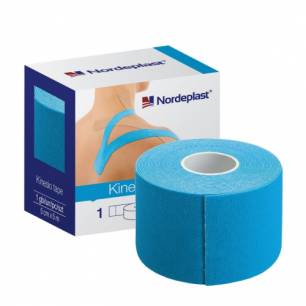
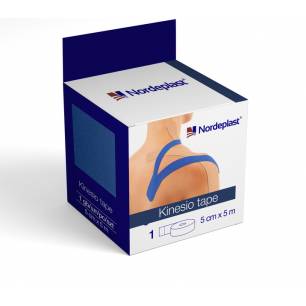
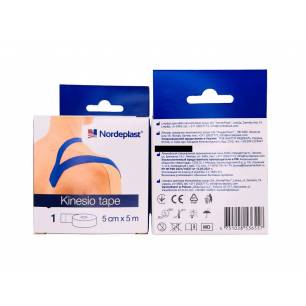
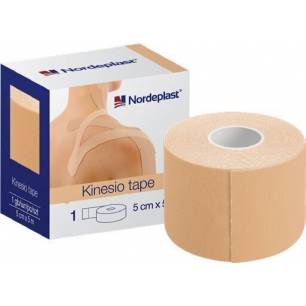
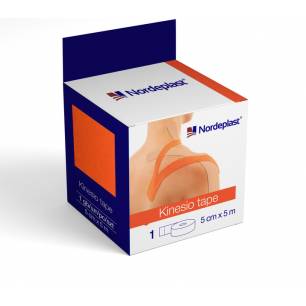
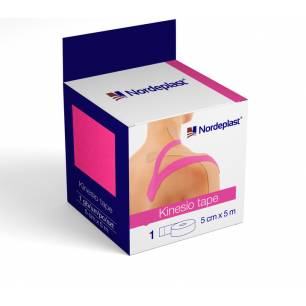
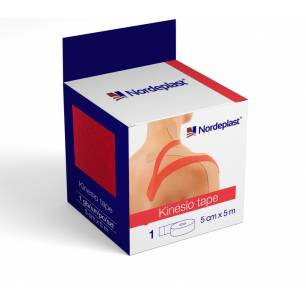
Kinesiology and sports tapes: what to choose
Sports and kinesiology tapes are adhesive tapes used during training, sport and everyday activity. Products vary in elasticity, material, width, roll length and adhesive construction. One of the most common options is kinesiology tape, an elastic tape designed to move with the body.
Colour and product name alone do not tell you how a tape will perform. When comparing products, look at the size of the roll, elasticity, backing material, adhesive and manufacturer's instructions.
At a glance
- Kinesiology tape is an elastic adhesive tape designed to move with the skin.
- Sports tape may be elastic or more rigid depending on the individual product.
- A 5 cm x 5 m roll is a versatile size for many common taping applications.
- Colour normally does not determine the functional properties of the tape.
- Check the material, adhesive and manufacturer directions before use.
Kinesiology tape
Kinesiology tape, sometimes called kinesio tape, is generally an elastic textile tape with an adhesive backing. Its stretch allows the material to adapt to movement, making it a common option for sport, fitness and everyday physical activity.
Materials vary between products. Cotton combined with elastic fibres is common, while some products use acrylic adhesive or are made without latex. Always check the specification of the individual tape.
What is sports tape?
Sports tape is a broader term. It may refer to elastic kinesiology tape or to less flexible athletic tapes designed for different taping techniques. Do not assume the properties from the product name alone: check the degree of stretch and intended use.
Choosing tape width and length
A common kinesiology tape size is 5 cm x 5 m. This width works for many standard taping applications. If permitted by the manufacturer's directions, the tape can also be cut lengthwise into narrower strips.
Roll length becomes more important with frequent use. Occasional taping may use relatively little material, while regular training can require several strips each time.
Material and adhesive
Check the backing material before purchase. Cotton tapes are generally soft and flexible, while elastic fibres provide stretch. Adhesive performance depends on skin preparation, movement, perspiration and exposure to water.
If you have sensitive skin or have previously reacted to adhesive dressings, test a small area before applying a larger piece.
Preparing the skin before taping
- Apply tape to clean, dry skin.
- Remove creams, oils and other greasy products before application.
- Rounded corners are less likely to catch on clothing.
- Do not apply tape to broken, irritated or inflamed skin.
- Follow the instructions supplied with the individual product.
Does kinesiology tape colour matter?
Kinesiology tape is available in beige, black, blue, pink and many other colours. For most products, colour is primarily a visual preference and does not change the main properties of the tape. Any material or specification differences between colours should be clearly stated by the manufacturer.
What to check before buying sports tape
- tape type - elastic kinesiology tape or another type of sports tape;
- roll width and length;
- backing material and stretch;
- adhesive composition and latex content where relevant;
- water resistance and stated wear time;
- manufacturer instructions and intended application.
Taping is not a substitute for diagnosing or treating an injury. Significant pain, swelling, restricted movement or a suspected injury should be assessed by a doctor or physiotherapist.
Frequently asked questions about kinesiology tape
What is the difference between kinesiology tape and regular sports tape?
Kinesiology tape is generally elastic and stretches with body movement. Sports tape is a broader category and can include both elastic and more rigid tapes. Check the individual product specification before choosing.
What size kinesiology tape should I choose?
A 5 cm x 5 m roll is one of the most versatile sizes for general taping. Narrower strips may be useful for smaller areas.
Can kinesiology tape get wet?
It depends on the individual product. Many tapes are designed to tolerate moisture, but adhesive performance varies. Follow the manufacturer's care instructions.
How long can kinesiology tape be worn?
Wear time depends on the material, adhesive and manufacturer's directions. Remove the tape if itching, burning, marked redness or other skin irritation occurs.
Do different tape colours have different effects?
In most cases, no. Colour is usually a visual preference rather than a functional difference unless the manufacturer states otherwise.
Can I apply kinesiology tape myself?
Simple taping patterns can be applied according to the manufacturer's instructions. For an injury, pain or a more complex area, it is better to ask a qualified professional about the correct technique.
This information is for general reference and does not replace medical or physiotherapy advice in cases of injury, pain or restricted movement.