Important notice: some products have been removed from sale. Read return information

Sleep Supplements

Sleep supplements are chosen according to the problem: melatonin for disrupted routine and long time to fall asleep, magnesium and GABA for evening tension, glycine and herbs for calm deep sleep. They work gently, without the effect of sleeping pills.

How sleep supplements work

Sleep supplements do not switch off consciousness like sleeping pills. They work more gently: they help the nervous system move from daytime mode into night mode. Some ingredients give the brain a signal that night has arrived, others reduce stimulation and muscle tension, while others serve as raw material for the body’s own sleep hormones. This leads to a practical conclusion: a supplement should be chosen not by popularity, but by your own problem. Long time to fall asleep, night awakenings and evening anxiety are addressed by different ingredients.

What to choose for your problem

sleep supplements melatonin magnesium and glycine for insomnia

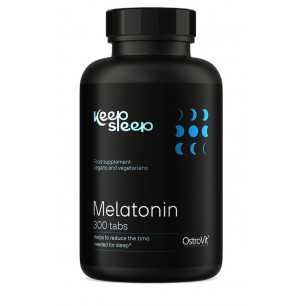
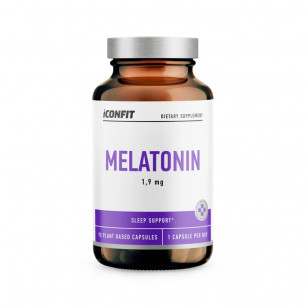
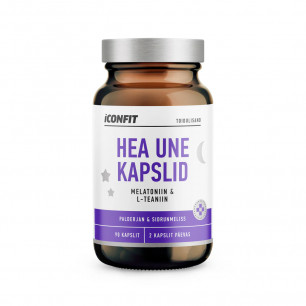
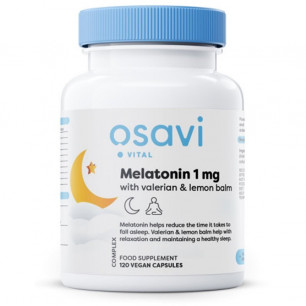
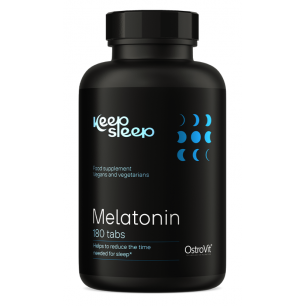
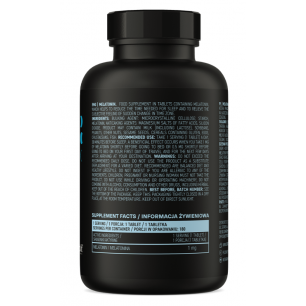
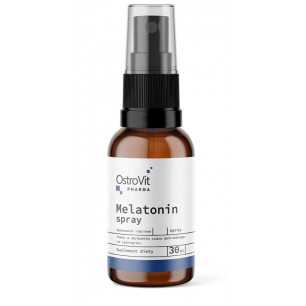
It takes a long time to fall asleep. The first candidate is melatonin. This is a hormone that the brain produces in darkness and that starts the process of falling asleep. Taking it 30-60 minutes before bed helps shift bedtime, restore routine after changing time zones and get through the bright summer nights familiar to everyone living in Estonia and Finland. Standard supplement doses range from 1 to 5 mg, and it is sensible to start with the lowest one.

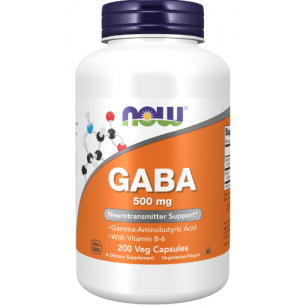
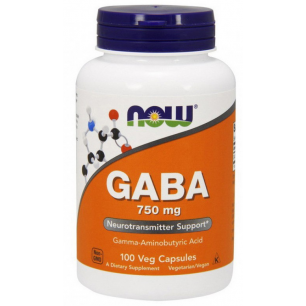
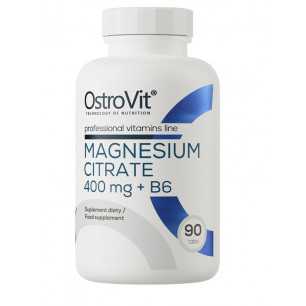
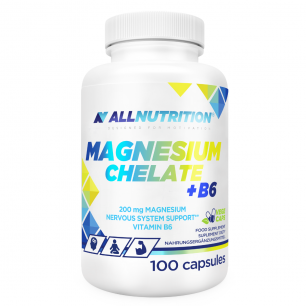
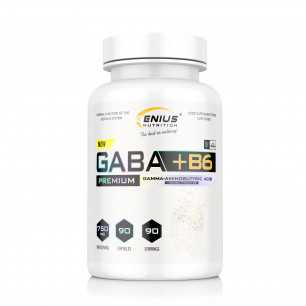
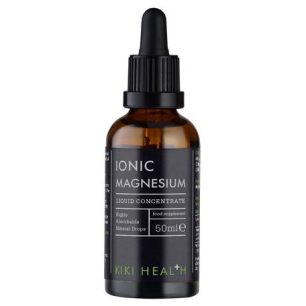
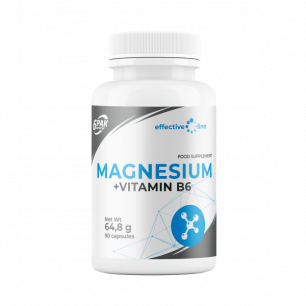
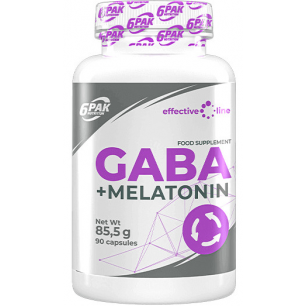
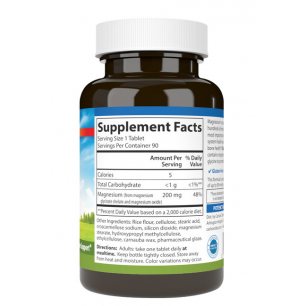
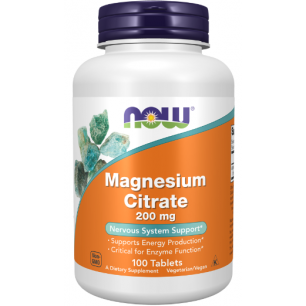
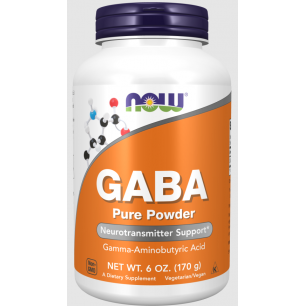
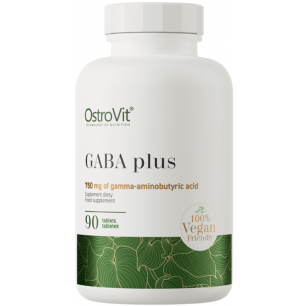
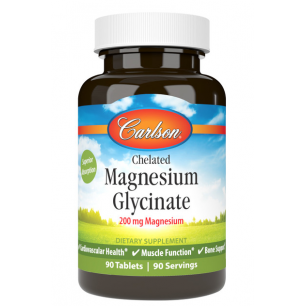
Tension and anxious thoughts in the evening. Here magnesium and GABA are useful. Magnesium relaxes muscles and takes part in nervous system function; for evening use, bisglycinate is usually chosen because it absorbs gently and does not have the laxative effect that citrate can have in larger doses. GABA is gamma-aminobutyric acid, the brain’s main inhibitory neurotransmitter: it reduces stimulation and helps switch from work rhythm to evening rhythm. It is taken both on its own and as part of sleep complexes.
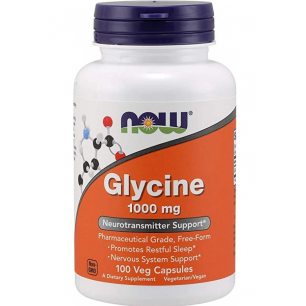
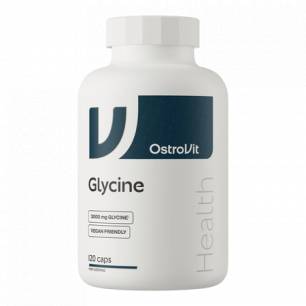
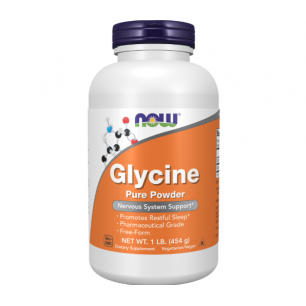
Light sleep and frequent awakenings. Glycine and L-theanine support sleep quality and depth. Glycine is taken before bed for calmer falling asleep and steadier sleep. Theanine, an amino acid from green tea, reduces stress levels without daytime sleepiness, so it is used both in the evening and on stressful days.

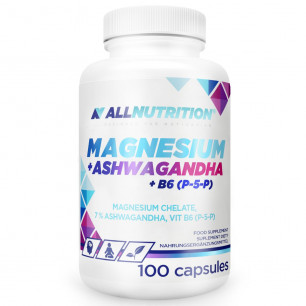
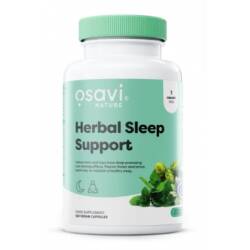
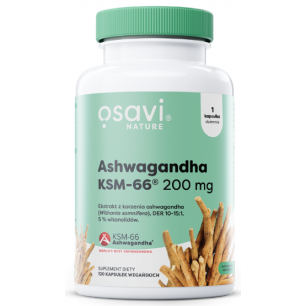
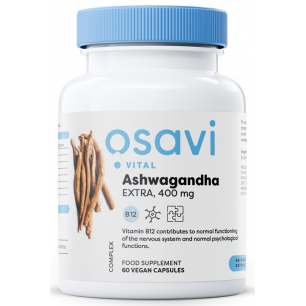
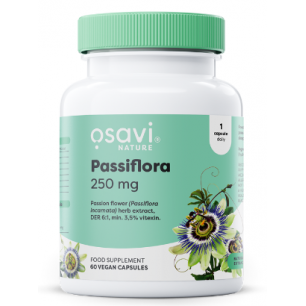
Stress interferes with recovery. Plant extracts and adaptogens: ashwagandha, valerian, passionflower, lemon balm. Ashwagandha has been studied in the context of reducing cortisol, the stress hormone, and is often chosen by people with a high workload at work and in the gym. Herbal extracts act gently, and their effect develops with course use rather than from the first capsule.

Heavy training and slow recovery. Athletes are familiar with the ZMA complex: zinc, magnesium and vitamin B6. It is taken in the evening because deep sleep is the time when the body restores muscles and produces hormones.

Why sleep suffers more often in Northern Europe

Human circadian rhythms are set by light. In the Baltic states and Finland, daylight jumps from six hours in winter to eighteen in summer, and the internal clock does not always keep up with these changes. In winter, this is joined by vitamin D deficiency, which also takes part in sleep regulation. This explains the typical complaints of people in the region: in summer it is hard to fall asleep because of the light, while in winter it is hard to wake up and the whole day feels sleepy. Melatonin in summer and checking vitamin D levels in winter are a reasonable starting point for our latitudes.

What to know before buying

Sleep supplements give the best result together with sleep hygiene, not instead of it. Caffeine six hours before bed, bright screens in bed and an irregular schedule can outweigh the effect of any capsule. Start with one ingredient and the lowest dose to understand the body’s reaction, and assess the effect after one or two weeks, not after the first night. If insomnia lasts for months, is accompanied by snoring with pauses in breathing, or strongly affects your daytime condition, you need a doctor: chronic sleep disturbance can have causes that supplements do not solve. Pregnant and breastfeeding women, and people taking medicines, should consult before starting.

What is better for sleep: melatonin or magnesium?

They solve different tasks. Melatonin helps when the routine is disrupted: late falling asleep, flights, white nights. Magnesium works when tension and anxiety prevent relaxation. When the picture is mixed, they are often taken together, and this combination is acceptable.

Which magnesium should I choose for sleep?

Bisglycinate. This form is bound to glycine, which also has a calming effect, absorbs well and does not irritate the intestines. It is taken one to two hours before sleep.

Is melatonin addictive?

Melatonin is not a sleeping pill and has not shown physical dependence in studies. The body does not stop producing its own hormone because of taking the supplement. Still, it is a tool for adjusting routine, not a permanent replacement for a normal sleep schedule.

What is GABA taken for?

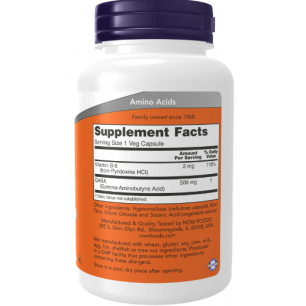
GABA is taken to reduce evening stimulation, relax and make falling asleep easier. This substance works as an inhibitory signal in the nervous system. In supplements, it is used on its own or in complexes together with magnesium, glycine and herbs.

Can sleep supplements be taken every day?

Magnesium, glycine and theanine are usually suitable for longer-term use. Melatonin is more often used in courses or situationally: when the routine is disrupted, during flights or bright nights. Herbal extracts are taken in courses according to the recommendation on the packaging. If the need for supplements does not disappear for months, the reason behind the sleep problem should be looked for with a doctor.

How long does it take for a sleep supplement to work?

Melatonin works the same evening, 30-60 minutes after taking it. Magnesium, glycine and herbal extracts need from several days to a couple of weeks of regular use. Ashwagandha shows its effect over a longer period, from two to four weeks.