



Healthy sweets
healthy sweets, sugar free sweets, protein sweets, healthy desserts, buy healthy sweets, healthy sweets from shops




View Left Column
558 products
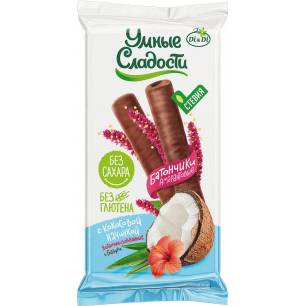
€1.30
-13%
with promo code
BOO13
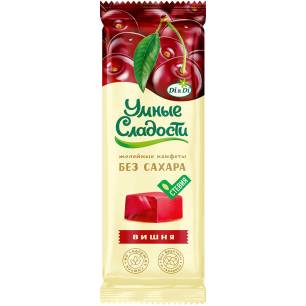
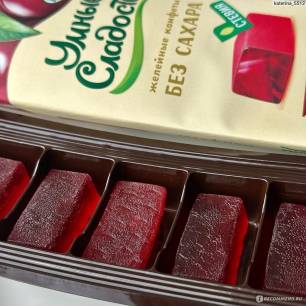
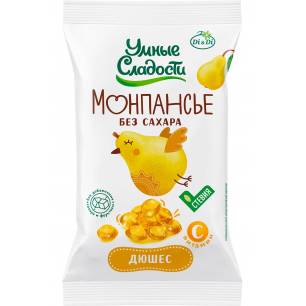

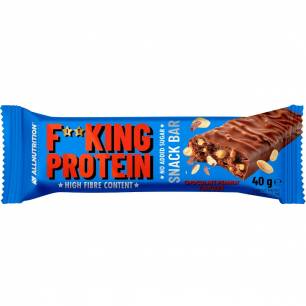
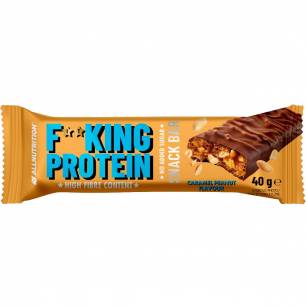
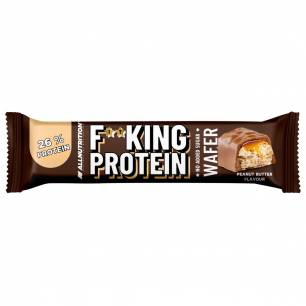
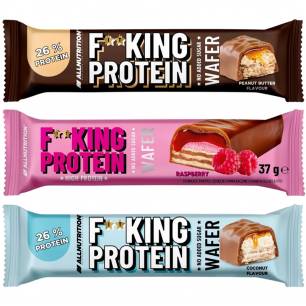
€2.90
-13%
with promo code
BOO13
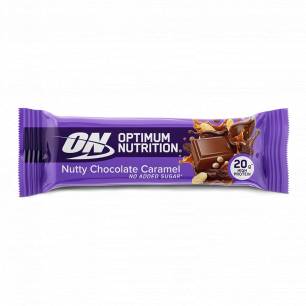
What are healthy sweets and better-for-you desserts?
Healthy sweets is a broad term for desserts that differ from traditional confectionery, chocolate and baked goods in their ingredients or nutritional profile. They may include products with no added sugar, higher protein content or added fibre, as well as sweets made with alternative sweeteners.
Terms such as “healthy sweets” or “better-for-you desserts” are not official food categories. When choosing a product, it is therefore more useful to look beyond the wording on the pack and compare the actual ingredients, calories, protein, sugars and serving size.
What types of healthy sweets can you choose?
Modern better-for-you desserts are no longer limited to dried fruit and dark chocolate. Familiar sweet formats are available with different recipes and nutritional profiles:
- protein sweets and protein chocolate;
- brownies and protein cakes;
- cookies and wafers;
- fruit snacks and pastila-style sweets;
- desserts with no added sugar;
- sweets with nuts, coconut or peanuts;
- products with higher protein or fibre content.
This variety is convenient when you want something sweet with coffee or tea, a dessert after a meal or a small snack while still paying attention to the product's composition.
How to choose healthy sweets in a shop
Do not rely only on words such as “fitness”, “protein”, “sugar free” or “healthy”. It is better to compare several pieces of information on the label.
Protein content
If you are specifically choosing a protein sweet, check how much protein is provided per serving and per 100 g. Two similar bars or desserts may differ considerably in their protein content.
Sugar content
“No added sugar” and “sugar free” are not the same thing. A product with no added sugar may still contain naturally occurring sugars from its ingredients. Some sweets use sweeteners instead of sugar, so it is always worth reading the complete ingredient list.
Calories and serving size
When comparing two desserts, first check the nutritional values per 100 g and then look at the actual weight of one serving. A small dessert with a relatively high calorie value per 100 g may still contain fewer calories per serving than a larger bar with a lower energy value per 100 g.
Ingredients
Nuts, cocoa, coconut, dairy and plant proteins, fruit ingredients and fibre affect both flavour and nutritional value. Two sweets with a similar calorie content can therefore contain very different amounts of protein, fat, carbohydrates and fibre.
Sugar-free sweets and sweets with no added sugar
Sugar-free sweets are particularly popular with people who want to reduce the amount of conventional sugar in their diet. However, the absence of sugar does not automatically make a product low in calories.
In chocolate, nut-based sweets and creamy desserts, a significant proportion of the energy may come from cocoa butter, nuts, coconut or other fat-containing ingredients. It is therefore useful to consider sugars, calories, protein and serving size together.
Protein sweets: when are they convenient?
Protein sweets, brownies, chocolate and other desserts combine a familiar sweet taste with an additional source of protein. They can be a convenient option for people who monitor their protein intake, exercise regularly or simply want an alternative to a traditional dessert.
However, the word “protein” does not automatically make every product suitable for everyone. Compare the protein, sugars, fat and total energy value.
What can you choose with tea instead of ordinary sweets?
If you want something sweet, there is no need to avoid desserts completely. You can choose according to your preferences: a protein cookie with coffee, chocolate with no added sugar, a brownie, higher-protein confectionery or a fruit snack.
The main advantage of a broad range of better-for-you sweets is choice: flavour, format, protein content, sugar level and serving size can all be selected to suit your own diet.
Frequently asked questions about healthy sweets
Can protein or fitness bars contain more calories than ordinary sweets?
Yes, they can. A bar containing nuts, chocolate or peanut butter can be fairly calorie-dense. However, calorie content is not the only characteristic worth considering. A protein or fitness bar may contain more protein and fibre and less added sugar than a standard chocolate bar. This may make it a better fit for someone who wants to monitor not only calories but also the overall nutritional profile. It is therefore more useful to compare specific products by calories, protein, sugars, fibre and serving size rather than assuming every better-for-you sweet is low in calories.
How are healthy sweets different from ordinary sweets?
The main difference is usually the recipe. Better-for-you desserts may contain more protein or fibre, less added sugar or alternative sweeteners. There is no universal standard for what counts as a “healthy sweet”, so compare the nutritional information of individual products.
Are all sugar-free sweets low in calories?
No. Replacing sugar with a sweetener does not automatically make a product low in calories. Chocolate or nut-based desserts, for example, may still contain a significant amount of fat. Check the energy value per 100 g and per serving.
Which should I choose: an ordinary sweet or a protein dessert?
It depends on what you want from the product. If you simply want a small dessert, taste and serving size may be the most important factors. If you also want additional protein or less added sugar, a protein sweet or a dessert with no added sugar may be a more suitable option.