Energy
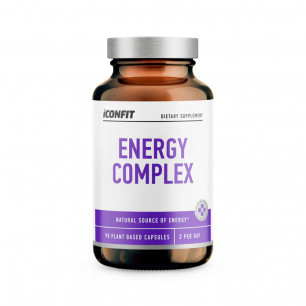
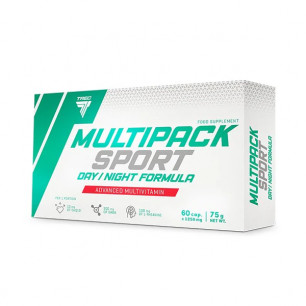
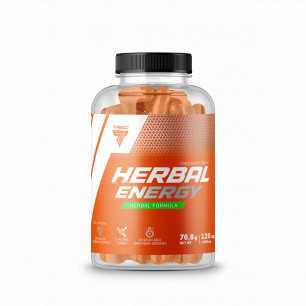
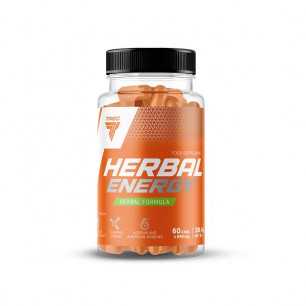
Energy & vitality brings together supplements containing caffeine, botanical extracts and adaptogens such as ginseng, Lion's Mane, shilajit and rhodiola, as well as L-carnitine, tyrosine and vitamin-mineral formulas. The range includes OstroVit, TREC Nutrition, NUTREND, Swanson, NOW Foods and other brands. Compare active ingredients, amounts per serving and stimulant content before choosing.
152 products
Updated: 25 August 2026.
Energy supplements: what types are available?
The Energy category brings together several different types of food supplements, including caffeine products, botanical extracts and adaptogens, amino acids, L-carnitine and vitamins and minerals. These groups differ in composition and intended use, so it is better to compare the specific active ingredients rather than relying only on the word “energy” on the pack.
At a glance
- Caffeine is a stimulant, so both the amount per serving and total intake from all sources should be taken into account.
- Ginseng, Lion's Mane, shilajit, rhodiola and ashwagandha are botanical or naturally derived ingredients used in specialised supplement formulas.
- Some vitamins and minerals, including magnesium, vitamin C and several B vitamins, may carry authorised EU claims relating to normal energy-yielding metabolism or the reduction of tiredness and fatigue when the relevant conditions are met.
- Persistent or unexplained tiredness should be discussed with a doctor rather than simply masked with supplements.
Caffeine and stimulant ingredients
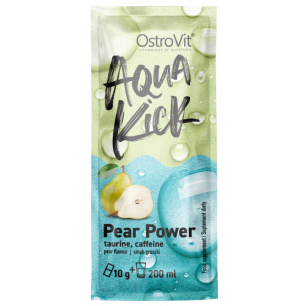
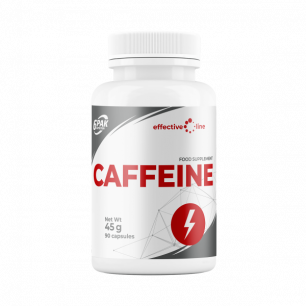
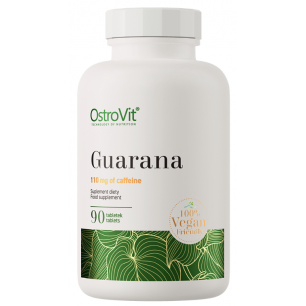
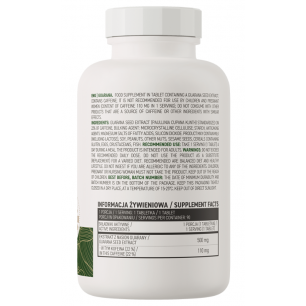
Caffeine is available in capsules, tablets, powders and multi-ingredient formulas. When comparing products, check the amount of caffeine in the recommended serving and include other dietary sources such as coffee, tea, energy drinks and pre-workout products.
The category may also contain other stimulant ingredients and specialised multi-ingredient products. Always check the complete formula and manufacturer warnings before use.
Adaptogens and botanical ingredients
The category may contain products based on various botanical extracts and naturally derived ingredients:
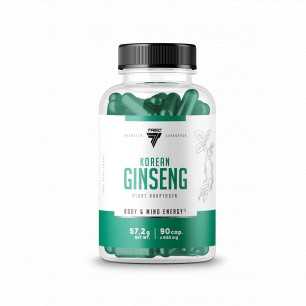
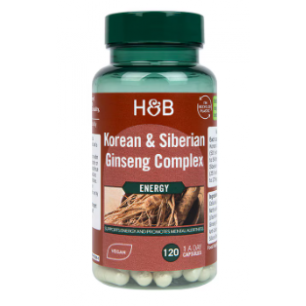
- Ginseng – available as a standalone extract and in combination formulas.
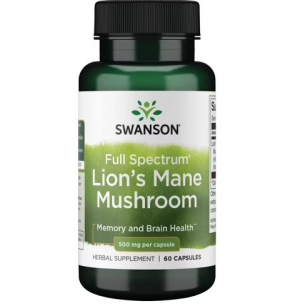
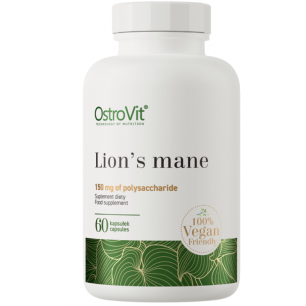
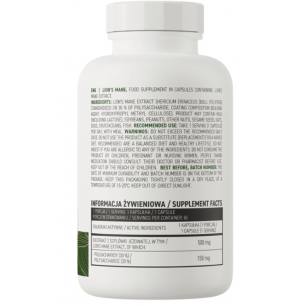
- Lion's Mane – a mushroom-derived ingredient used in a variety of food supplements.
- Shilajit – a mineral-organic ingredient.
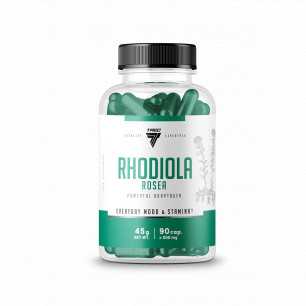
- Rhodiola rosea – a botanical extract.
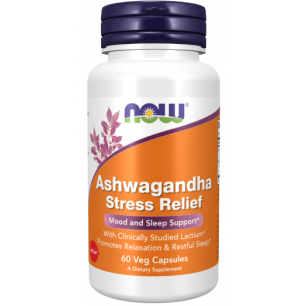
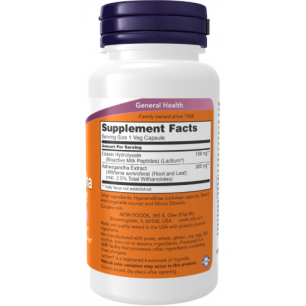
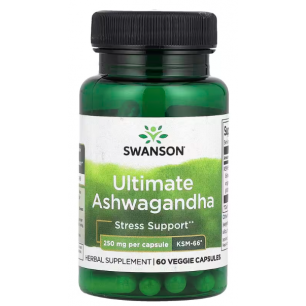
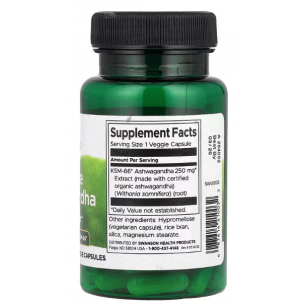
- Ashwagandha – a popular botanical ingredient available in capsules, gummies and other formats.
For botanical extracts, compare the exact raw material, extract standardisation, amount per serving and manufacturer directions rather than assuming that all products containing the same plant are equivalent.
Amino acids and L-carnitine
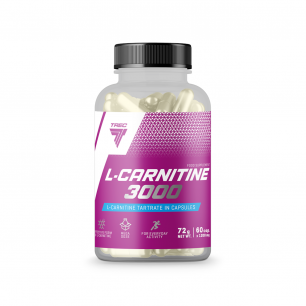
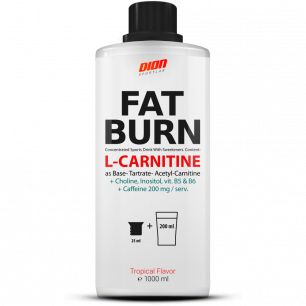
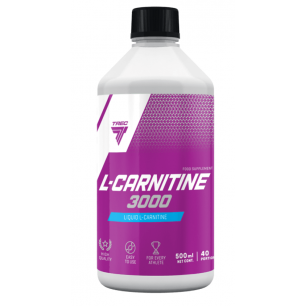
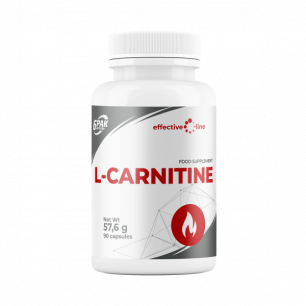
L-carnitine and L-tyrosine are available both as standalone products and as ingredients in multi-component formulas. Compare the amount per serving, recommended daily serving and any additional active ingredients.
Vitamins and minerals for energy metabolism
Some vitamins and minerals have authorised EU claims related to normal energy-yielding metabolism and tiredness when the conditions of use are met:
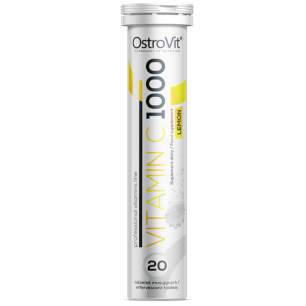
- Vitamin C contributes to normal energy-yielding metabolism and to the reduction of tiredness and fatigue.
- Iron contributes to normal energy-yielding metabolism and normal oxygen transport in the body.
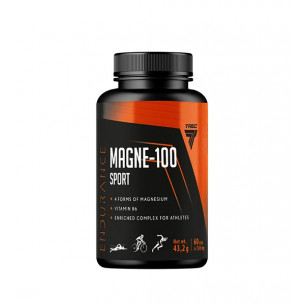
- Magnesium contributes to normal energy-yielding metabolism and to the reduction of tiredness and fatigue.
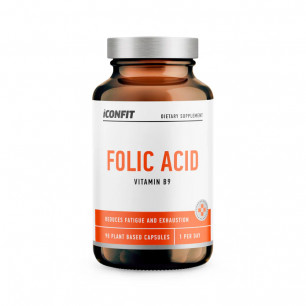
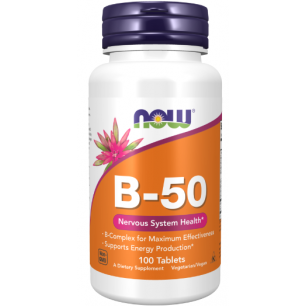
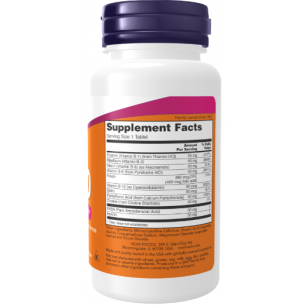
- Several B vitamins contribute to normal energy-yielding metabolism and/or the reduction of tiredness and fatigue.
These functions should not be equated with the immediate stimulant effect of caffeine. Vitamins and minerals are dietary nutrients and do not replace sufficient sleep, recovery or medical assessment of persistent fatigue.
Thermogenic and multi-ingredient formulas
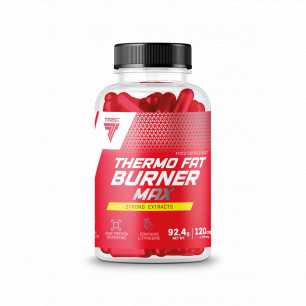
Some multi-ingredient products combine caffeine with other components. Check the full formula carefully because caffeine may also be consumed from other supplements or beverages during the same day.
How to choose a supplement from the Energy category
- Decide whether you want a caffeine-containing or stimulant-free product.
- Check caffeine and other active ingredients per serving.
- For botanical extracts, compare their form, standardisation and amount.
- Check whether the same ingredients are already present in other supplements you use.
- Do not combine several caffeine sources without considering total intake.
Frequently asked questions
Which vitamins are linked to reduced tiredness?
Authorised EU claims relating to the reduction of tiredness and fatigue exist for nutrients including magnesium, vitamin C and several B vitamins when the conditions of use are met. Persistent or unexplained fatigue should be discussed with a doctor.
How are botanical adaptogens different from caffeine?
They are different groups of ingredients. Caffeine is a stimulant, whereas botanical extracts have a different chemical composition and should not automatically be treated as a direct alternative to caffeine. Compare the specific extract, amount and manufacturer's directions.
Can caffeine capsules be taken with coffee or energy drinks?
Total caffeine intake from all sources during the day should be taken into account. Combining several caffeine-containing products can substantially increase overall intake.
What should I do if energy supplements do not help persistent tiredness?
Persistent or unexplained fatigue can have many causes. If it continues despite adequate sleep, nutrition and recovery, consult a doctor rather than increasing the amount of stimulant supplements.
This information is for general reference and does not replace medical advice, particularly in cases of persistent or unexplained fatigue, cardiovascular conditions or regular medication use.