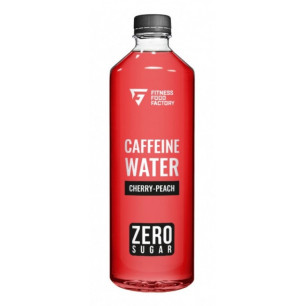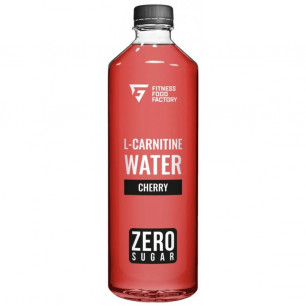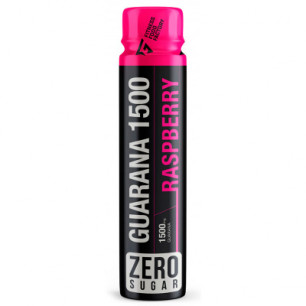
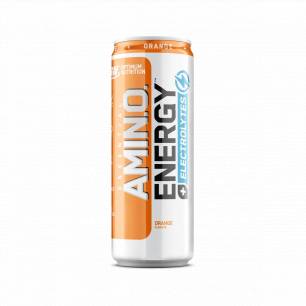
€2.60
-13%
with promo code
BOO13
+Deposit:
€0.10
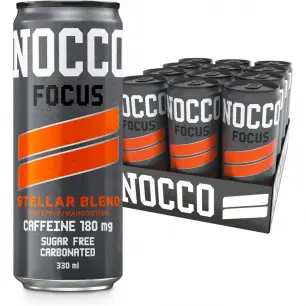
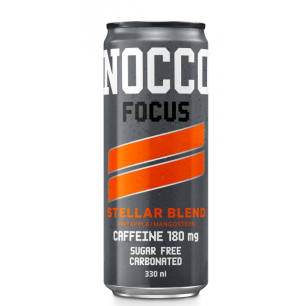
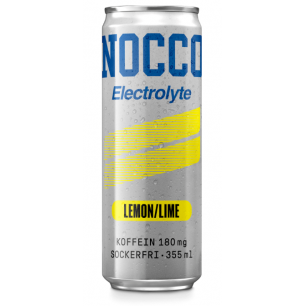
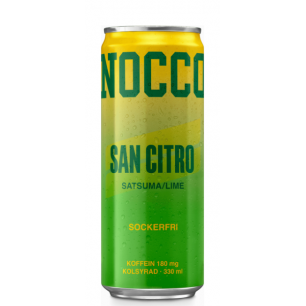
Sugar-free energy drinks: caffeine, BCAAs, carnitine and vitamins at zero calories. 90 flavours for training, work and the road.
95 products
Energy drinks from the petrol station and energy drinks from a sports nutrition store share a shelf label, not much else. The classic can is caffeine plus 25-40 g of sugar - alertness bundled with empty calories and a glucose spike. Fitness energy drinks are built differently: the caffeine and stimulating compounds stay, the sugar goes, and a can lands at zero or near-zero calories. In place of syrup you'll typically find BCAAs, L-carnitine, taurine, B vitamins and caffeine sourced from green coffee or guarana. And the flavours stopped tasting like medicine years ago - mango, forest berries, cola, citrus, dozens of options that drink like regular soda.
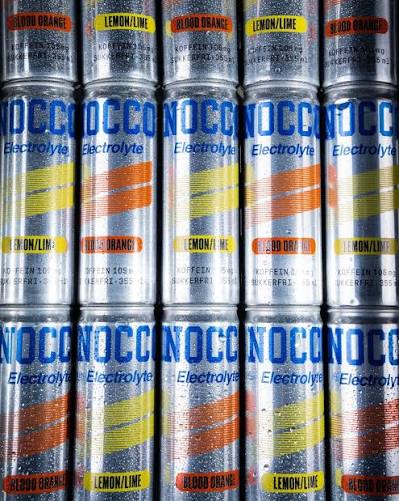
Before training, look at cans with 150-180 mg of caffeine plus BCAAs or carnitine - a drink like that stands in for a light pre-workout if powdered boosters feel too aggressive for you. For the office or studying, moderate caffeine makes more sense: 80-105 mg per can, roughly a cup of coffee, focus without the jitters. Calorie counters have it easiest here - nearly the whole category is sugar-free, so a can fits even a strict deficit, which you can't say about the supermarket classics. And if caffeine after lunch ruins your sleep, there are vitamin-based drinks with a gentler lift sitting in the same range.
Being straight with you: an energy drink replaces neither sleep nor breakfast. It's a situational tool. A morning session after a short night, a long drive, a deadline, the back half of a shift - moments where a sugar-free can beats a chocolate bar or a third coffee. The widely accepted guideline for adults is up to 400 mg of caffeine daily from all sources combined, coffee and tea included, and one can a day sits comfortably inside that. Energy drinks aren't for minors, pregnant women or anyone sensitive to caffeine - standard guidance, and we stand by it.
Three lines tell you everything. Caffeine in milligrams decides whether it's a gym can or a desk can. Sugar and calories - a proper fitness energy drink shows zero or close to it in both. Then the functional extras: BCAAs earn their keep around training, carnitine is the usual pick for cardio and cutting phases, B vitamins are the all-purpose tonus support. Per-can prices run slightly above supermarket brands, but multipacks change the maths - the unit price drops noticeably, and cans keep for months.
A question we get constantly. Coffee is the cheapest caffeine going, but there are no functional additives and sensitive people get the crash. Pre-workout delivers maximum output in the gym, but it's a whole ritual with a shaker and an intensity not everyone wants. A sugar-free energy drink is the middle path: open, drink, working in 20-30 minutes, tastes good, zero prep. Plenty of our customers keep both at home - pre-workout for heavy days, a can for everything else.
Typically 80-180 mg depending on the brand and formula - the exact figure is always printed on the can. For scale, an espresso runs about 60-80 mg.
One sugar-free can a day fits within accepted caffeine guidelines for a healthy adult. That said, if you can't function without it daily, the fix is probably your sleep, not a bigger dose.
Usually 0-5 kcal per can. Sweetness comes from sweeteners, so these drinks slot into weight loss and macro counting without a second thought.
Yes, it's a solid setup: a can with 150+ mg of caffeine and BCAAs 20-30 minutes before the gym gives a noticeable lift. The effect is smoother than powder, which many people actually prefer.
Energy drinks aren't recommended for minors - that's the position of manufacturers and regulators, and several European countries restrict sales by age. For adults, moderation is the whole rulebook.