



Cardiovascular system
The cardiovascular system includes the heart and blood vessels. This category includes food supplements containing ingredients such as coenzyme Q10, rutin, policosanol, resveratrol, niacin, bergamot extract, diosmin, magnesium and potassium . When choosing a product, compare the specific ingredients, their form and the amount in the recommended serving.
View Left Column
158 products
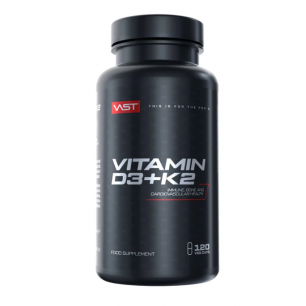
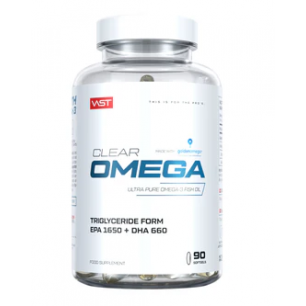
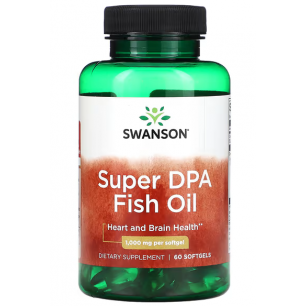
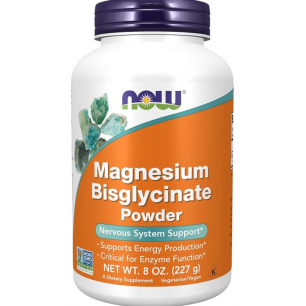
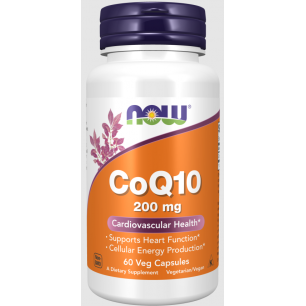
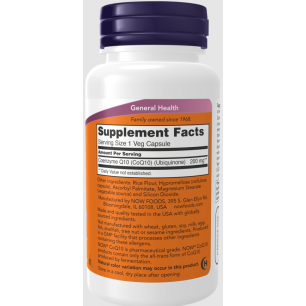
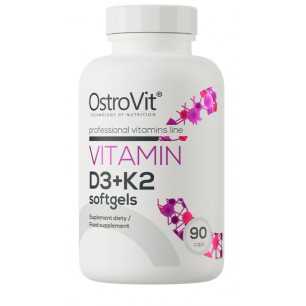
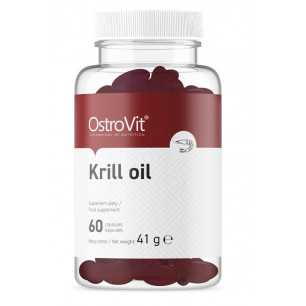
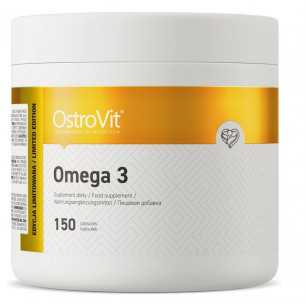
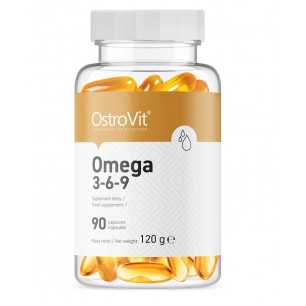
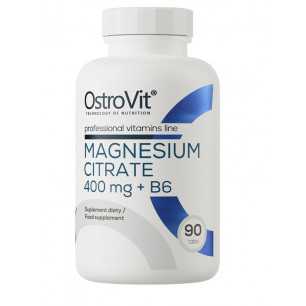
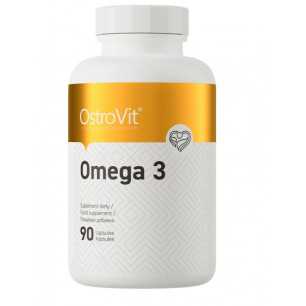
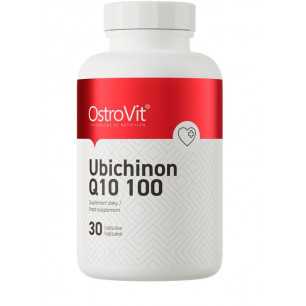
The cardiovascular system consists of the heart and blood vessels through which blood circulates. Food supplements associated with this category can contain very different substances, including vitamins, minerals, plant extracts, flavonoids, amino acids and coenzymes.
Common ingredients include coenzyme Q10, rutin, policosanol, resveratrol, niacin, bergamot extract, diosmin, hesperidin, magnesium, potassium and taurine. These substances are not equivalents of one another, so products should be chosen according to their specific formula rather than only the category name.
Which supplements are included in the cardiovascular category?
The range may include both standalone ingredients and multi-ingredient formulas. Common groups include:
- Coenzyme Q10 - a fat-soluble compound available in food supplements in different strengths and forms.
- Rutin - a plant-derived flavonoid that may be used alone or in combination with other ingredients.
- Policosanol - a mixture of long-chain aliphatic alcohols of plant origin.
- Resveratrol - a polyphenolic compound available as a standalone supplement and in combination formulas.
- Niacin - vitamin B3, available in different forms and amounts.
- Bergamot extract - a plant extract whose composition depends on the raw material and the manufacturer's standardisation.
- Diosmin and hesperidin - flavonoid compounds often used together.
- Magnesium and potassium - minerals that may be used separately or in combination products, including aspartate forms.
How to choose a supplement in this category?
Start by identifying the specific ingredient you are looking for. For example, Q10, policosanol, rutin and niacin are very different substances and should not be treated as interchangeable products.
When comparing products, check:
- the exact ingredient name;
- the form of the substance, where stated by the manufacturer;
- the amount in the recommended daily serving;
- standardisation of plant extracts;
- additional ingredients in combination formulas;
- serving size and number of servings per pack.
What is coenzyme Q10?
Coenzyme Q10, or CoQ10, is a compound that occurs naturally in the body. Food supplements are available in different Q10 forms, and the label commonly states the amount in milligrams, such as 100 mg or 200 mg.
When comparing products, consider not only the number of milligrams but also the form of the substance, the recommended serving size and any additional ingredients.
What is policosanol?
Policosanol is not a single chemical substance but a mixture of long-chain aliphatic alcohols. Different plant materials may be used as sources for its production.
Policosanol products can differ in the amount per serving and in their overall formula. Searches for “policosanol alternatives” are therefore better approached by comparing the specific composition of products rather than looking for a direct substitute.
What is rutin?
Rutin is a plant-derived flavonoid. In food supplements it may be available as a standalone ingredient, for example at 450 mg, or as part of a combination formula.
When comparing products, check the amount of rutin per serving and any additional ingredients rather than only the number of tablets or capsules in the pack.
What is niacin?
Niacin is vitamin B3. Different forms of vitamin B3 may be used in supplements, so products carrying the same Niacin label are not necessarily identical in composition.
Particular care should be taken with higher-strength products, such as 500 mg. Do not automatically apply the directions for one product to another. Follow the instructions for the specific product, and if using high amounts or taking medication at the same time, seek advice from a qualified professional.
What is bergamot extract?
Bergamot extract is obtained from Citrus bergamia. Supplements may use a standardised extract, while the concentration and profile of plant compounds depend on the raw material and production method.
When choosing a product, check the amount of extract per serving and any standardisation information provided by the manufacturer.
Are resveratrol and Q10 the same thing?
No. Resveratrol and coenzyme Q10 are different compounds. Resveratrol is a plant-derived polyphenol, while Q10 is a separate fat-soluble compound. It is therefore not meaningful to compare them solely by the number of milligrams.
What are magnesium and potassium aspartates?
Magnesium aspartate and potassium aspartate are mineral forms in which magnesium or potassium is bound to aspartic acid. Combination products may contain both minerals at the same time.
When comparing such supplements, check the amount of elemental magnesium and potassium where the manufacturer provides these figures rather than only the total weight of the compound.
Can I choose a supplement simply because it says “for the heart”?
No. This category brings together many different substances and does not mean that every product has the same effect or is suitable for everyone. Food supplements do not replace diagnosis, prescribed medication or treatment for cardiovascular disease.
If you have a cardiovascular condition, blood pressure or heart rhythm problems, or take anticoagulants, blood pressure medicines or other medication, supplement selection should be discussed with a doctor.
Frequently asked questions about cardiovascular supplements
Which vitamins and supplements are found in the heart and circulation category?
This category may include coenzyme Q10, niacin, magnesium, potassium, rutin, resveratrol, policosanol, plant extracts and multi-ingredient formulas. These are different substances, so there is no single universally “best complex”. Products should be chosen according to their composition and individual needs.
What is policosanol in simple terms?
Policosanol is a mixture of several long-chain alcohols obtained from plant material. In food supplements it may be sold separately or alongside other ingredients. Products can differ in their raw material source, amount of policosanol and the manufacturer's recommended serving.
How is rutin different from resveratrol?
Rutin and resveratrol are different plant-derived compounds. Rutin is a flavonoid, while resveratrol is a polyphenolic compound with a different structure. They are not interchangeable ingredients, so supplement selection should be based on the specific product formula.
Can I take niacin 500 mg on my own?
A high amount of vitamin B3 requires particular care. Different forms of niacin may have different characteristics, and large amounts may cause unwanted reactions. Do not choose a dosing routine solely from search results: follow the product instructions and seek professional advice when appropriate.