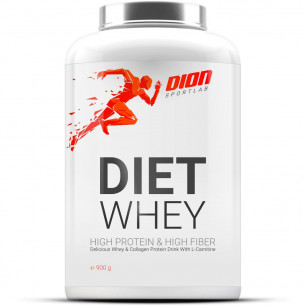
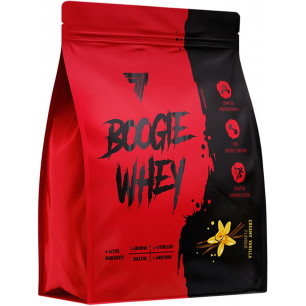
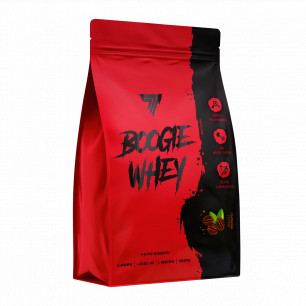
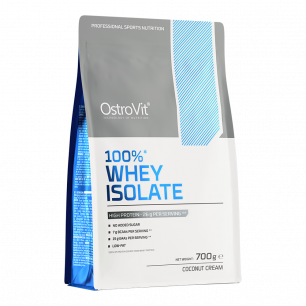
Protein
Protein powder matched to your goal: whey, isolate, casein, beef, vegan and lactose-free. We help you pick the right type and flavour with confidence.
337 products
What is protein powder
Protein powder is concentrated protein extracted from milk, eggs, beef or plants and dried into powder form. In practice it is simply food in a convenient format: one serving delivers 20-30 g of protein - roughly the same as a chicken breast, without the cooking. Your body uses protein as the building material for muscle, and it also supports tissue repair after exercise, immune function, and the condition of skin and hair. People take protein powder to reach their daily protein target when regular meals fall short: during intensive training, weight loss, busy work weeks or on a plant-based diet. It is not a pharmaceutical and not "chemicals" - protein powder is sold as a regular food product and needs no prescription.
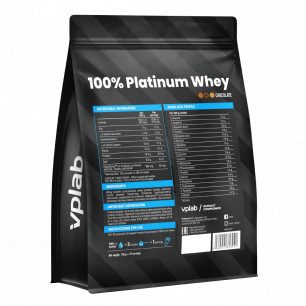
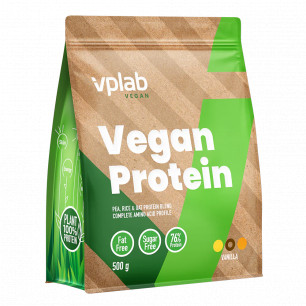
How to choose protein powder: a quick guide

Choosing is easier than it looks: find your goal below and the right type follows naturally.
For building muscle
The default pick is whey concentrate: it digests quickly, contains the full spectrum of essential amino acids and stays affordable for daily use. Have a shake after training or between meals to reach 1.6-2 g of protein per kg of body weight per day.
For weight loss and cutting
Go for an isolate or a diet formula: maximum protein, minimal carbs, fat and calories. In a calorie deficit, protein protects your muscle mass and keeps you full for longer, so a shake makes a genuinely useful replacement for a sugary snack.
If dairy upsets your stomach
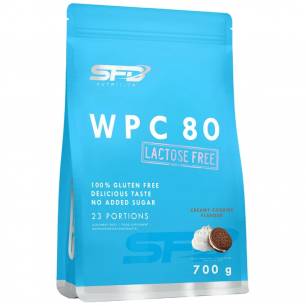
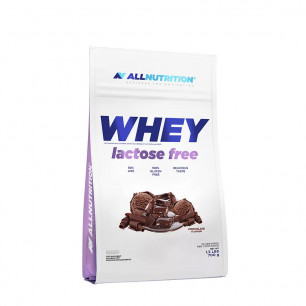
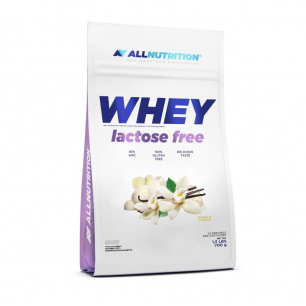
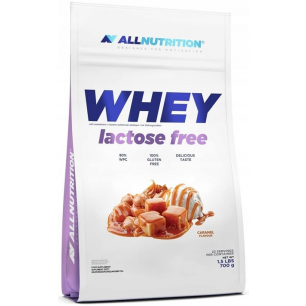
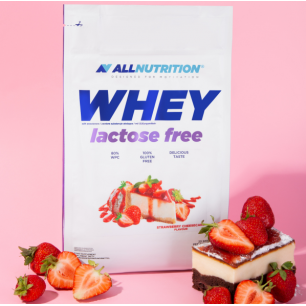
Bloating after a regular shake is almost always a reaction to lactose, not to protein itself. The fix is lactose-free protein powder, an isolate (only trace lactose), a hydrolysate or beef protein. Lactose intolerance is widespread across Northern Europe, so it pays to get this right from the first purchase.
For evening use
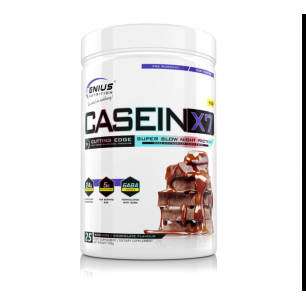
Casein digests over 6-8 hours and releases amino acids gradually while you sleep - a smart option before bed or during long gaps between meals.
For plant-based diets
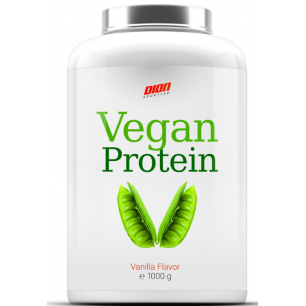
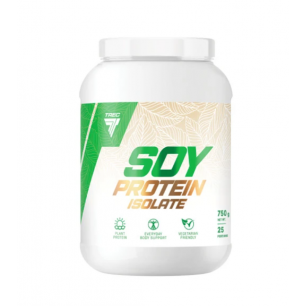
Vegan protein from pea, rice, hemp or their blends covers your protein needs without animal products. Blends beat single-source powders thanks to a more complete amino acid profile.
Protein types explained simply
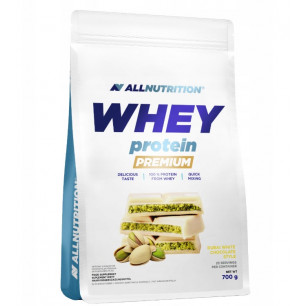
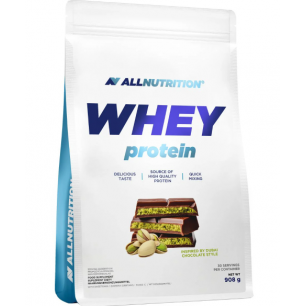
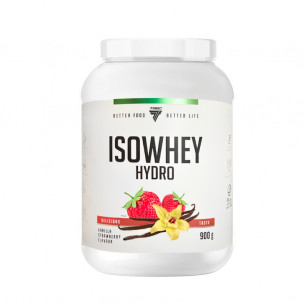
Whey concentrate (WPC) is the popular classic: 70-80% protein, fast absorption and the widest choice of flavours. Whey isolate (WPI) is filtered further: around 90% protein with almost no lactose, fat or sugar. Hydrolysate is partially pre-digested, absorbs fastest and tends to be gentlest on the stomach. Casein is the slow milk protein for overnight recovery. Egg and beef protein are complete dairy-free alternatives. Plant blends suit vegans and anyone allergic to milk or eggs. If in doubt, start with whey - it is the all-round protein powder for most goals, and you can always move to specialised formulas later.
Which flavour to pick so you don't regret it
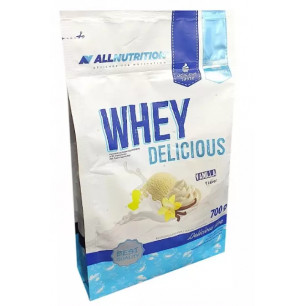
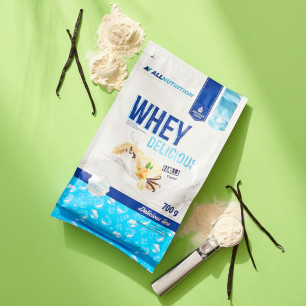
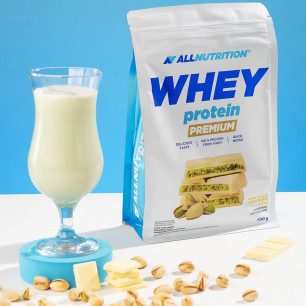
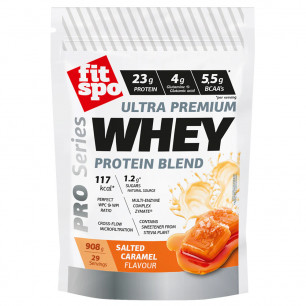
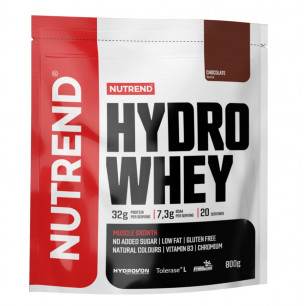
Every beginner's fear: buying a full tub and not being able to finish it. The safe start is chocolate or vanilla - hard to get wrong and easy to mix with water, milk, oats or baking. If you want something more indulgent, the catalogue has milkshake-grade flavours: chocolate peanut butter, banana split, crème brûlée, salted caramel, strawberry milkshake and chocolate mint. Prefer no sweeteners at all? Choose an unflavoured natural version - neutral and perfect for porridge, smoothies and pancakes. A practical money-saver: items marked "damaged packaging" are the same product with an intact inner bag at a lower price - an easy, low-risk way to test a new flavour.
Is protein powder safe?
For a healthy person, protein powder within your daily protein allowance is safe, and you can drink it every day, rest days included - muscle actually grows during recovery. Research does not support claims that quality protein harms healthy kidneys; caution applies only if you already have kidney or digestive conditions - in that case, talk to a doctor before adding supplements. Stomach discomfort usually points to lactose and disappears after switching to an isolate or lactose-free formula. And remember: a shake tops up your diet, it does not replace real meals.
What to check before buying
Compare protein per 100 g rather than label slogans: a decent concentrate sits at 70-80%, an isolate higher. Check the sweetener type, lactose content and allergens. On size: a 700 g - 1 kg tub costs less per serving and lasts about a month of daily use, while a small pack is handy for flavour testing. Keep an eye on new arrivals and bundles - building your supplement stack in sets works out cheaper.
Which protein powder should a beginner buy first?
Whey concentrate in chocolate or vanilla is the most predictable start. If milk sometimes causes discomfort, go straight for an isolate or a lactose-free option.
How many protein shakes a day is fine?
Usually 1-2 servings: after training, between meals or instead of a sweet snack. What matters is your total daily protein, not exact timing.
Can I take protein powder without working out?
Yes, if your diet is genuinely low in protein. Without exercise, though, surplus calories are stored as fat rather than muscle, so watch your daily total.
Does protein powder make you gain weight?
Weight gain comes from a calorie surplus, not from protein itself. In a deficit, protein actually makes dieting easier: it preserves muscle and curbs sugar cravings.
What is the difference between whey concentrate and isolate?
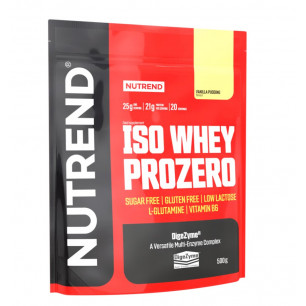
Isolate is filtered further: more protein per serving, almost no lactose or fat. It costs more but suits sensitive stomachs and cutting phases better.
How do I know a protein powder doesn't suit me?
Watch for bloating, heaviness or breakouts. Lactose is the usual culprit: try an isolate, lactose-free, beef or plant-based formula instead.