Antioxidants
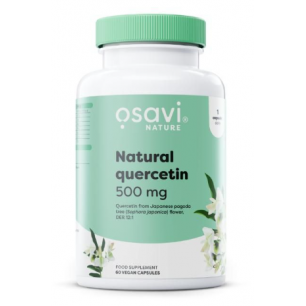
Antioxidants are substances involved in protecting cellular components from oxidative processes. The SportFit range includes quercetin, coenzyme Q10, astaxanthin, resveratrol, alpha lipoic acid (ALA), NAC and other individual ingredients and combination formulas.
80 products
Antioxidants are substances capable of interacting with free radicals and contributing to the control of oxidative processes. Antioxidant compounds occur naturally in foods and are also used as individual ingredients in food supplements.
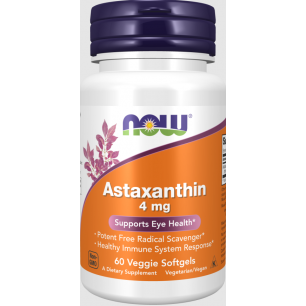
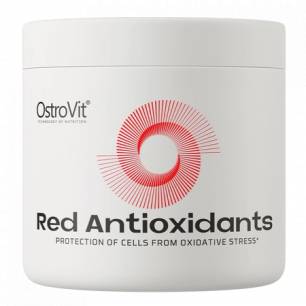
At SportFit you can compare quercetin, coenzyme Q10, astaxanthin, resveratrol, alpha lipoic acid (ALA), NAC and other products. They differ in their source, form, amount per serving and additional ingredients, so it is better to choose a supplement based on the full formula rather than only the name of the ingredient.
What are antioxidants in simple terms?
Oxidative reactions are constantly taking place in the body. These processes produce reactive compounds, including free radicals. Antioxidants can interact with these compounds and contribute to the control of oxidative processes.
Many different substances have antioxidant properties. These include certain vitamins, carotenoids, polyphenols and other compounds. Some come from everyday foods, while others are available in concentrated form in food supplements.
Which antioxidants are available in supplements?
This category includes ingredients with different structures and origins, so there is no single universal “best antioxidant”. When choosing a product, it is important to understand which specific substance it contains and in what amount.
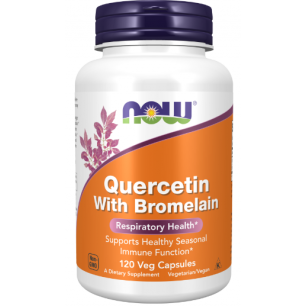
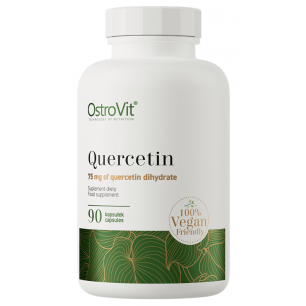
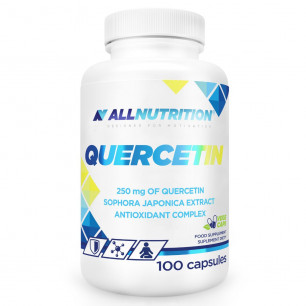
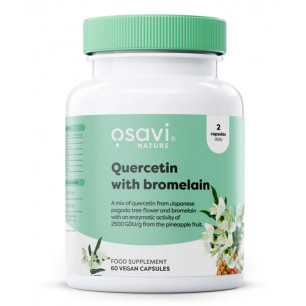
- Quercetin - a plant-derived flavonoid available as a standalone supplement and in combination formulas.
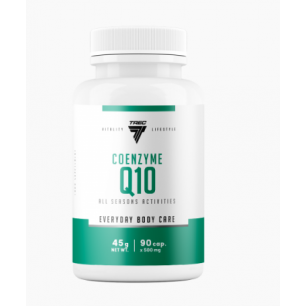
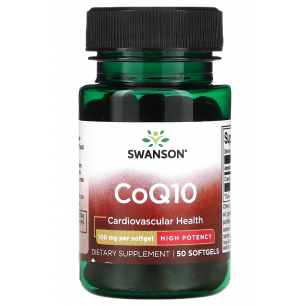
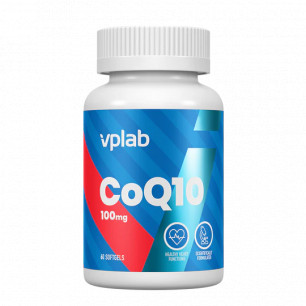
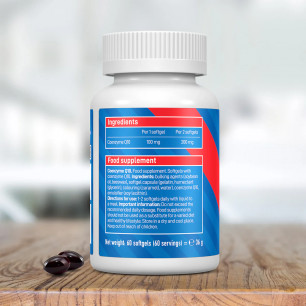
- Coenzyme Q10 - a fat-soluble compound available in several supplemental forms, including ubiquinone.
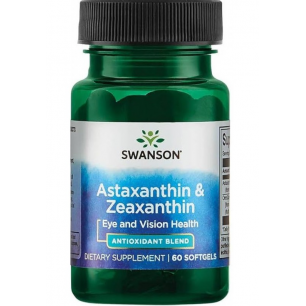
- Astaxanthin - a carotenoid most commonly available in capsules and softgels.
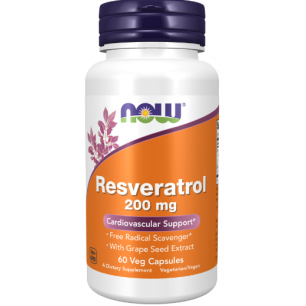
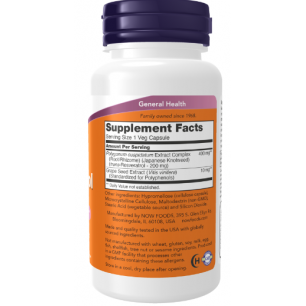
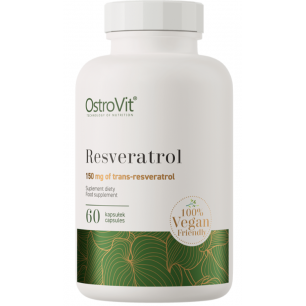
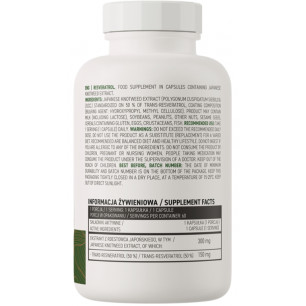
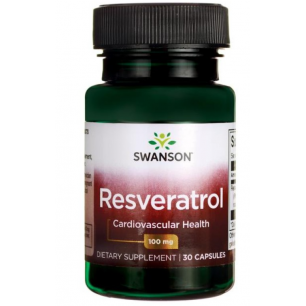
- Resveratrol - a plant-derived polyphenolic compound available in both standalone and combination supplements.
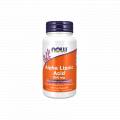
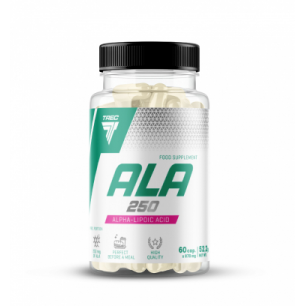
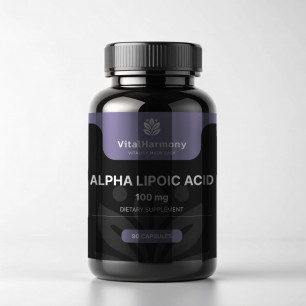
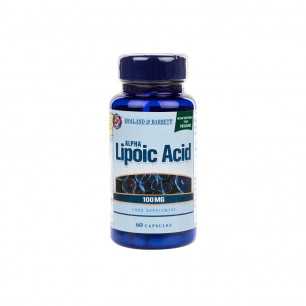
- Alpha lipoic acid - also referred to as ALA and usually listed in milligrams per capsule or recommended daily serving.
- NAC - N-acetyl-L-cysteine, a derivative of the amino acid cysteine, available both separately and in combination formulas.
How to choose an antioxidant supplement?
Start with the specific ingredient and then compare products within that group. For example, when choosing coenzyme Q10, look not only for the Q10 label but also at the form of the substance and the amount per serving. The same applies to quercetin, astaxanthin, ALA and resveratrol: compare the stated amount and the full formula.
- Amount of the active ingredient - compare products based on the recommended daily serving.
- Form of the substance - some compounds are available in different forms, such as ubiquinone for coenzyme Q10.
- Additional ingredients - combination formulas may contain vitamins, minerals, plant extracts or other antioxidant compounds.
- Product format - capsules, softgels, tablets and powders differ in convenience of use.
- Compatibility with other supplements - check whether the same ingredients are duplicated across several products.
Quercetin, Q10, astaxanthin or resveratrol: what is the difference?
Quercetin, coenzyme Q10, astaxanthin and resveratrol are different substances. Quercetin is a flavonoid, astaxanthin is a carotenoid, resveratrol is a polyphenol, while coenzyme Q10 is a separate fat-soluble compound. For this reason, they cannot be meaningfully compared only by the number of milligrams shown on the label.
The choice of ingredient depends on your diet, the supplements you already use and the characteristics of the product itself. If you are looking for several compounds at once, you may consider a combination formula, but in that case it is particularly important to check the amount of each ingredient.
What is ALA and how is it different from other antioxidants?
ALA in this category usually refers to alpha lipoic acid. It is a distinct compound commonly listed on supplement labels as Alpha Lipoic Acid or ALA. Products differ mainly in the amount provided per capsule or recommended daily serving.
What are coenzyme Q10 and ubiquinone?
Coenzyme Q10 is the general name of the compound, while ubiquinone is one of its forms. Product labels may use the terms CoQ10, Coenzyme Q10 or Ubiquinone. When comparing products, check the form of the ingredient and the amount per serving, as the brand name or number of capsules does not indicate the actual concentration.
Is lecithin an antioxidant?
Lecithin is a mixture of phospholipids and is used as a food ingredient and food supplement. It is sometimes grouped with antioxidant-related products in search results, but lecithin should not be used as the main reference point for this category. When choosing lecithin, it is more useful to compare its source, such as soya or sunflower, the amount and the product format.
What should I consider before taking antioxidants?
A higher dose does not automatically mean a better choice. Antioxidant supplements do not replace a varied diet containing vegetables, fruit, berries and other sources of nutrients. If you take medication, are being treated for a chronic condition, are pregnant or use several concentrated supplements at the same time, it is advisable to discuss product selection with a qualified professional beforehand.
Frequently asked questions about antioxidants
What are antioxidants in simple language?
Antioxidants are substances that can interact with free radicals and contribute to the control of oxidative processes. Antioxidant compounds include several different groups of substances, such as certain vitamins, carotenoids and polyphenols. They may come from ordinary foods or be included in food supplements.
What is the best antioxidant?
There is no single best antioxidant because this group includes substances with very different chemical structures. Quercetin, coenzyme Q10, astaxanthin, resveratrol and alpha lipoic acid are not direct equivalents of one another. It is better to choose a product based on the specific ingredient, its formula and the amount per serving.
How is coenzyme Q10 different from astaxanthin and quercetin?
Coenzyme Q10, astaxanthin and quercetin belong to different groups of compounds. Q10 is a fat-soluble coenzyme, astaxanthin is a carotenoid and quercetin is a flavonoid. They therefore cannot be correctly compared only by their dosage in milligrams. The form and composition of each product should be considered separately.
Can I take several antioxidants at the same time?
Several antioxidant compounds may be included in one combination formula or used in separate supplements, but it is worth checking the dosages and any duplicated ingredients before combining them. If you regularly take medication, have a chronic condition or use high doses of individual substances, compatibility is best discussed with a qualified professional beforehand.