



Sport and body care
Sport and body care: mats, resistance bands and training equipment, joint supports, liquid chalk for grip, plus Kuznetsov and Lyapko applicators for muscle recovery.


431 products
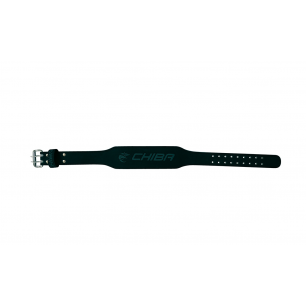
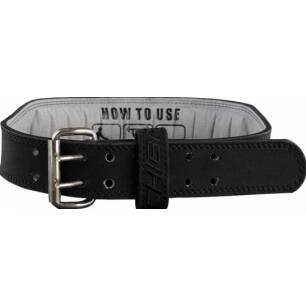
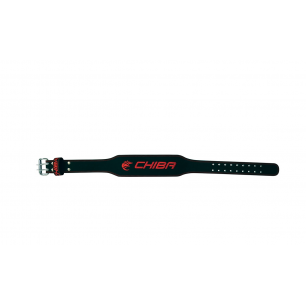
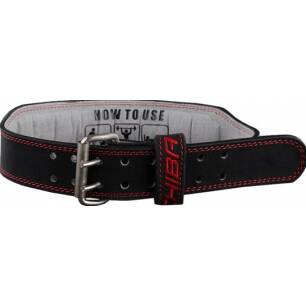
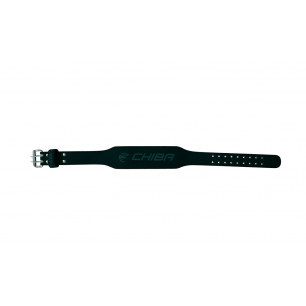
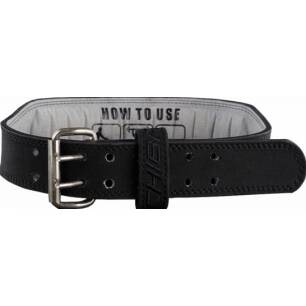
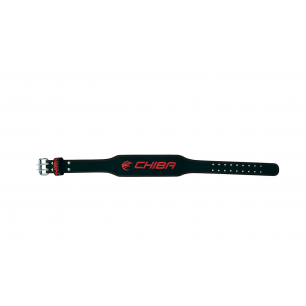
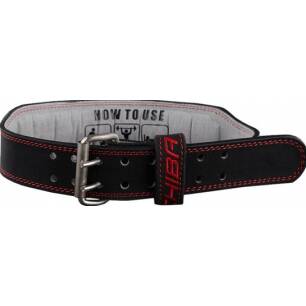
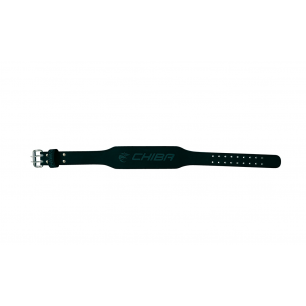
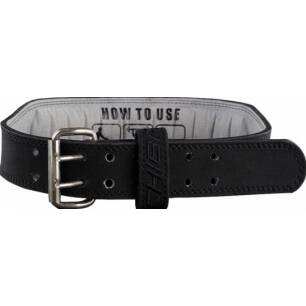
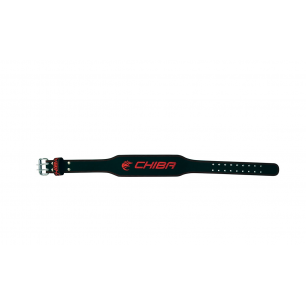
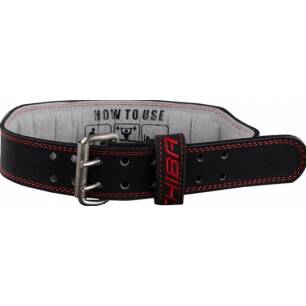
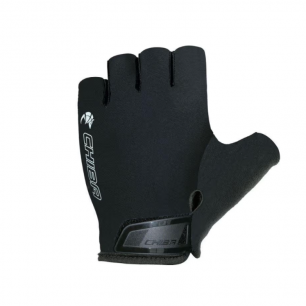
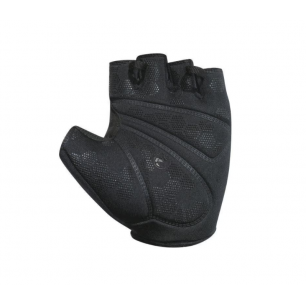
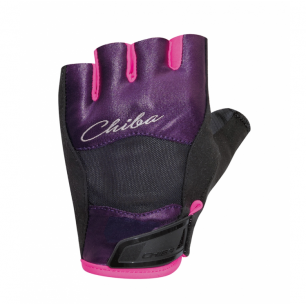
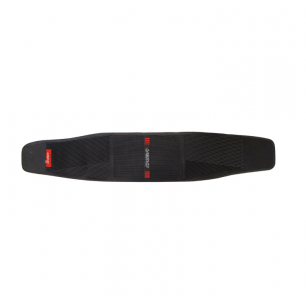
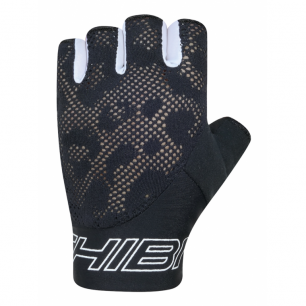
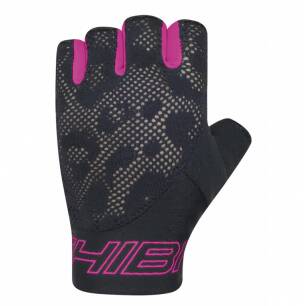
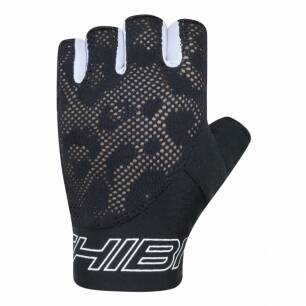
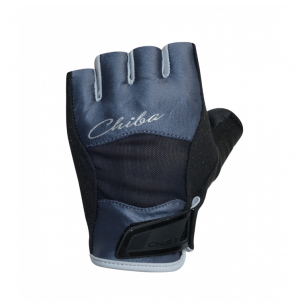
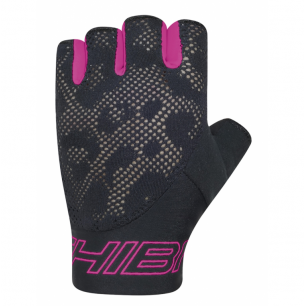
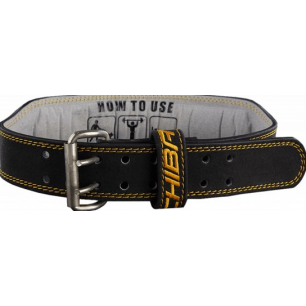
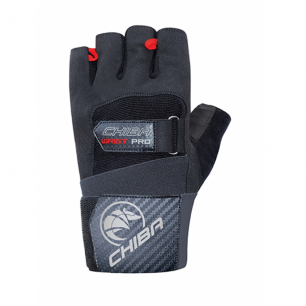
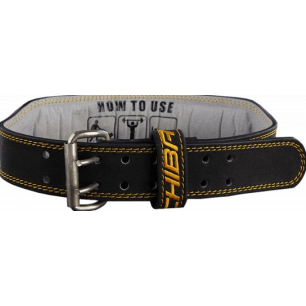
What is included in the "Sport and body care" category
This category brings together everything needed around the workout itself: training equipment, grip and joint protection products, as well as items for muscle recovery and relaxation after physical load. Sport and body care work together here - a good workout needs the right equipment, and full recovery afterwards is just as important for results as the training load itself.
Training equipment
Fitness and yoga mats differ in thickness: thicker mats are softer for the joints when working on the floor, while thinner mats are more stable for strength exercises and stretching. Resistance bands and loops with different load levels are used for warm-up, stretching and exercises for the glutes and thighs - light ones are suitable for warming up, medium and heavy ones for strength work. Gym balls are used for balance, back stretching and some abdominal exercises. Weights, dumbbells and skipping ropes complement home workouts when there is no access to a gym with a full set of equipment.
Protection and support during training
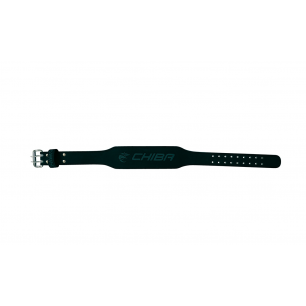
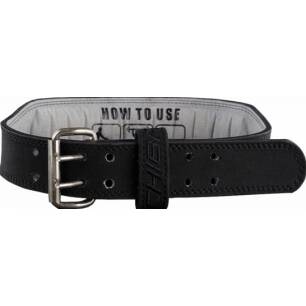
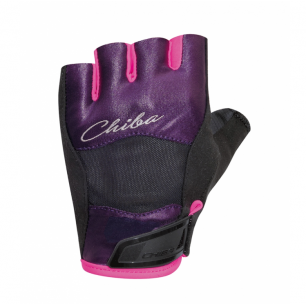
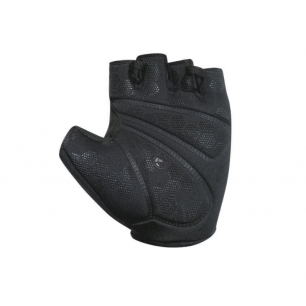
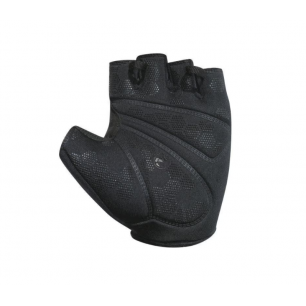
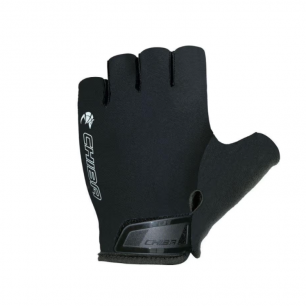
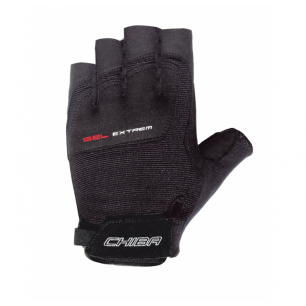
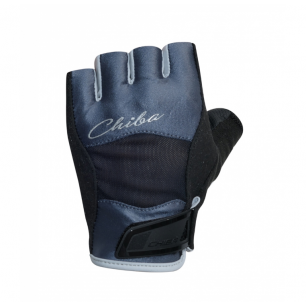
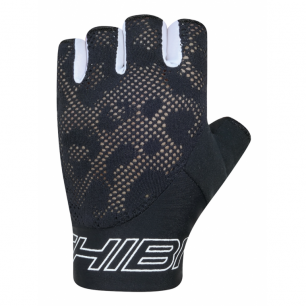
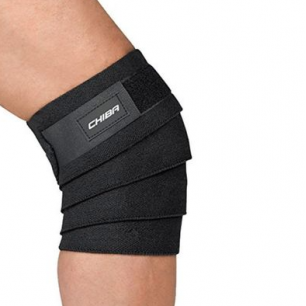
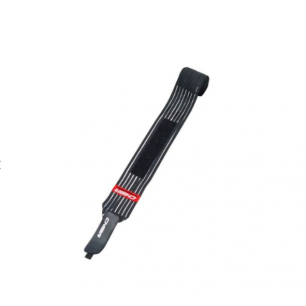
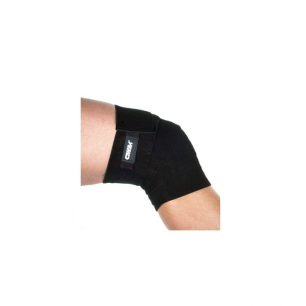
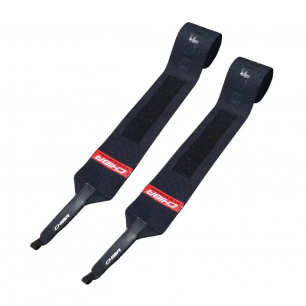
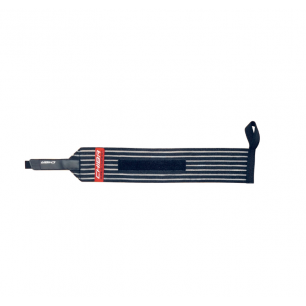
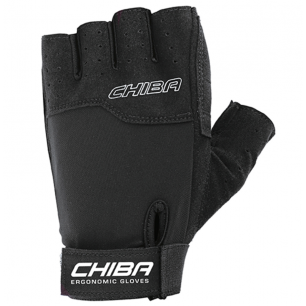
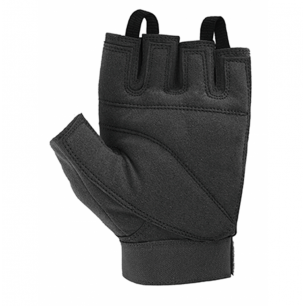
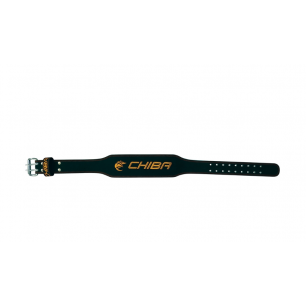
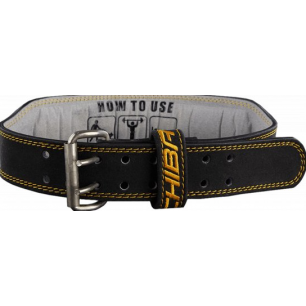
Neoprene supports for the wrist, knee and ankle are used for additional joint fixation during intensive loads or after minor past injuries. Size matters here: a support that is too loose will not provide the necessary support, while one that is too tight will compress and interfere with circulation, so it is worth following the size chart of the specific manufacturer. Lifting straps and pull-up bar grips take part of the load off the grip so that during strength exercises the target muscles get tired, not the fingers.
Magnesia and liquid chalk for grip
Liquid magnesia, or liquid chalk, is magnesium carbonate in liquid form, applied to the palms before training with weights, a pull-up bar or parallel bars. Unlike powder chalk, it does not create dust in the gym, dries quickly and leaves a thin layer that dries the hands and improves grip. The liquid form is often preferred specifically because it is dust-free, especially at home or in smaller gyms where powder settles on everything around.
Kuznetsov and Lyapko applicators for recovery
Body care after physical load is also part of the training process, and applicators have their own place here. The Kuznetsov applicator is a mat, roller, belt or pillow with plastic spikes that act on the skin and muscles when pressure is applied. It is a reflexology tool, a form of alternative medicine, not a medical device with proven clinical effectiveness, so it should be treated as a way to relax muscles after training, not as treatment.
Massage rollers and muscle rollers
Massage rollers work differently from applicators: the muscle is rolled over the surface of the roller rather than pressed point by point. This type of massage, known as myofascial release, is used after training to relieve tension in large muscle groups - thighs, back and calves.
Which fitness mat should I choose?
For yoga and stretching, a thinner and denser mat with good grip on the floor is suitable; for strength exercises on the floor and bodyweight work, a thicker mat is better to soften the load on the joints.
How is liquid chalk different from regular chalk?
Regular powder chalk spills and creates dust in the gym, while liquid chalk is applied to the hands like a gel, dries quickly and leaves a neater layer. The liquid form is more convenient to use at home and in small spaces.
What does the Kuznetsov applicator help with?
The applicator is traditionally used to relax back and neck muscles, relieve tension after a working day and as an element of post-workout recovery. It is a reflexology tool and should be viewed as a way to relax, not as a replacement for treatment of specific conditions.
How is the Lyapko applicator different from the Kuznetsov applicator?
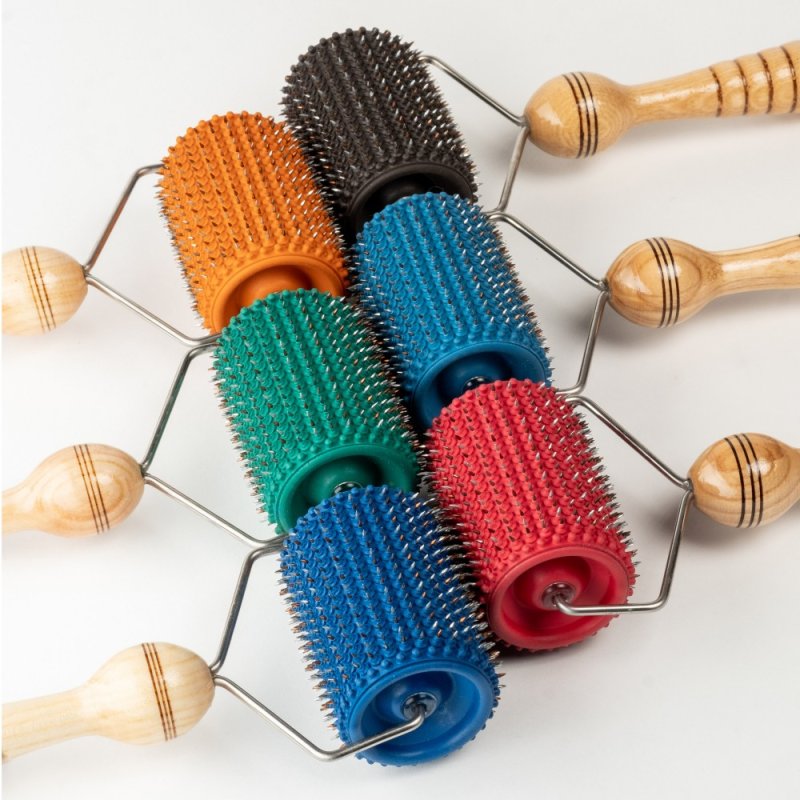
Lyapko uses metal needles made from different metals, which gives an additional weak galvanic effect, while Kuznetsov uses plastic spikes with a simpler mechanical effect. Lyapko usually feels more intense.
Can an applicator be used with a spinal hernia?
With a hernia and other serious spinal conditions, using an applicator must be discussed with a doctor in advance, as pressure on the affected area may be undesirable.
How is a massage roller different from an applicator?
A roller works by rolling the muscle over its surface and helps relieve muscle tension after training. An applicator works statically, through point pressure from spikes or needles while lying in one place. These are different types of effect, and many people use both one after another.