Immune system
ф Plant extracts and supplements for seasonal support: oregano oil with carvacrol, propolis, echinacea, boswellia, colostrum and vitamin C. We explain what each component is for.
256 products
What really supports immunity and what does not
Immunity cannot be "boosted" with one tablet: it depends on sleep, nutrition, movement and stress levels. Supplements in this category have a more modest task - to support the body during the cold season, restore what is lost during frequent illnesses and add plant components to the diet that do not always end up on the plate. Below is a breakdown of specific ingredients that people most often search for and buy, with an honest explanation of what each one is suitable for.
Oregano oil and carvacrol

Carvacrol is the main active ingredient in oregano oil, and it is what determines the quality of the supplement: the higher the percentage of carvacrol in the capsule, the more concentrated the product. Oregano oil is traditionally used during the cold season as plant-based support for the body. Enteric-coated capsules are gentler than pure oil and do not leave a sharp aftertaste.
RESPICON and respiratory system complexes
RESPICON is a complex aimed at supporting the respiratory tract in the cold season. Such formulas usually combine several plant ingredients and vitamins in one capsule, so you do not have to buy five different tubs separately. They are suitable as a seasonal addition to the diet during periods when colds happen more often.
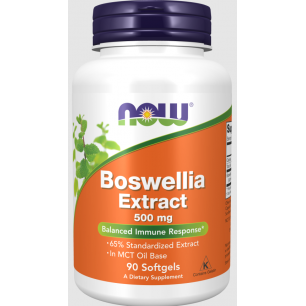
Boswellia
Boswellic acids, the active compounds in boswellia extract, are traditionally associated with supporting joints and the general condition of the body under load. This supplement is often taken in courses rather than as a one-off and is combined with other joint-supporting ingredients if support is needed not only for immunity.
Propolis, echinacea and elderberry
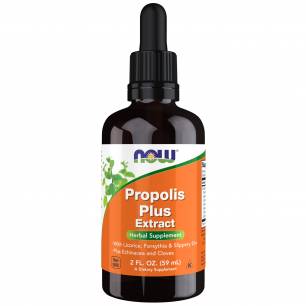
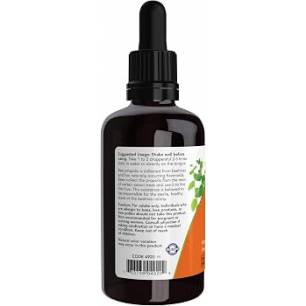
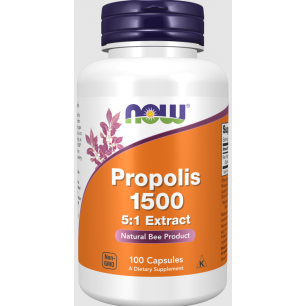
Propolis is a bee product with a rich composition, taken as an extract or drops, often during the cold season. Echinacea is one of the best-known plants in the seasonal support category and is available in capsules for those who prefer not to use tinctures. Elderberry is traditionally used as a source of plant antioxidants and is often found in complexes designed specifically for the cold season.
Pau d'Arco, cat's claw and cordyceps
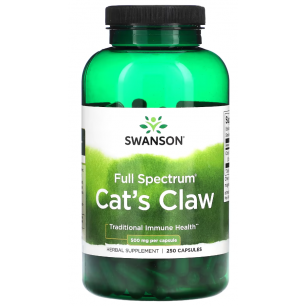
Pau d'Arco is a bark extract from a South American tree that has become noticeably more searched for in Europe in recent years; it is a plant supplement with a long tradition of use in phytotherapy. Cat's claw is another South American extract in a similar niche: it is chosen by people interested in plant supplements of less standard origin. Cordyceps is a mushroom that, in sports nutrition and health supplements, is associated with overall tone and endurance, not only directly with immunity.
Colostrum, lactoferrin and vitamin C
Colostrum contains a natural set of immunoglobulins and is often chosen as a general-purpose supplement. Lactoferrin is a protein with a similar niche that is sometimes combined with colostrum in one intake plan. Vitamin C remains a basic and the most studied component of the category: deficiency can easily occur in winter when the diet contains few fresh vegetables and fruits, and forms with bioflavonoids (hesperidin, rutin) are gentler on the stomach than pure ascorbic acid.
How to choose and what to look at
For plant extracts, the concentration of the active ingredient matters more than the total capsule weight: for oregano oil, this is the percentage of carvacrol; for boswellia, the content of boswellic acids. Complex products such as RESPICON or ADEK are convenient if you do not want to assemble a formula from separate tubs, but for a targeted task, one concentrated ingredient is more reasonable than a diluted blend. Plant supplements are usually taken in courses, not continuously, and the effect is assessed not after one intake, but after several weeks of use. In case of chronic conditions, medication use, pregnancy or breastfeeding, plant extracts should be discussed with a doctor: some of them, including oregano oil and propolis, may interact with medicines or cause allergies.
What is carvacrol and what is it for?
Carvacrol is the main active ingredient of oregano essential oil. Its percentage in the formula determines the strength of the supplement, so on an oregano oil label it is worth looking first at this number, not at the total capsule size.
How should oregano oil be taken?
Oregano oil capsules are usually taken with food to reduce the load on the stomach. The course of use is stated on the specific manufacturer’s packaging, and the recommended dosage should not be exceeded.
What is boswellia for?
Boswellia extract is traditionally associated with supporting joints and the general condition of the body. It is taken in courses, often together with other supplements for joints and ligaments.
How are colostrum and lactoferrin different?
Both products are obtained from dairy raw materials and both contain immune components. Colostrum is a more complex product with a broad composition, while lactoferrin is a specific protein with a narrower role. They can be taken separately or together.
Can plant extracts be taken for a long time?
Most plant supplements, including echinacea and oregano oil, are taken in courses of several weeks followed by a break, not continuously. This is stated in the instructions for the specific product, and it is worth following them.
Which vitamin C should I choose: regular or with bioflavonoids?
Forms with hesperidin and rutin are gentler on the stomach and are less likely to cause discomfort during long-term use than pure ascorbic acid in a high dosage. The difference in immune support between forms is small, but the difference in tolerability is noticeable.