Digestive system
Digestive supplements: probiotics, enzymes, inulin, psyllium, lecithin, chlorella and slippery elm for comfort after meals and regular bowel function.
168 products
What digestive supplements are for
The digestive system handles a difficult task every day: breaking down food, taking useful nutrients from it and removing the rest. Disruptions happen often and for very ordinary reasons: irregular eating, too little fibre in the diet, antibiotics, stress or a change in diet. Digestive supplements do not treat gastrointestinal diseases, but they can help support the process in common everyday situations: heaviness after meals, irregular bowel movements, discomfort after fatty food, or a lack of beneficial bacteria after a course of antibiotics.
Probiotics and enzymes: support for digestion

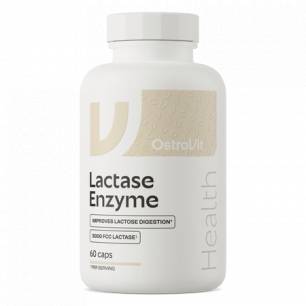
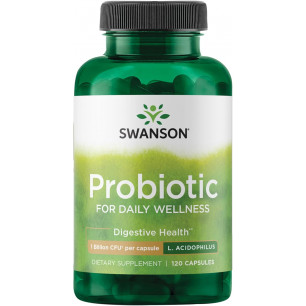
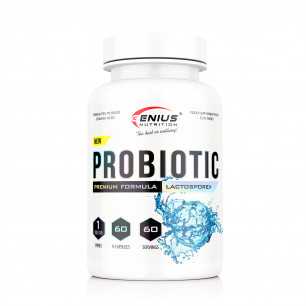
Probiotics, such as Lactobacillus acidophilus, Lactospore or Saccharomyces Boulardii, contain live bacteria that colonise the intestines and support the balance of the microbiome. They are often taken after a course of antibiotics or when bowel movements are frequently disrupted. Digestive enzymes, for example the Digezyme complex, help break down proteins, fats and carbohydrates when the body does not produce enough of its own enzymes, and are especially useful for heaviness after a large meal. Probiotics and enzymes are often combined in one product to support digestion from two sides at once.
Fibre and prebiotics for regularity
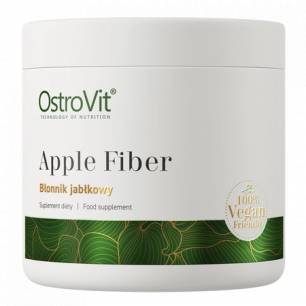
Inulin is a plant fibre from chicory root that serves as food for beneficial gut bacteria and gently supports regular bowel movements. It is sold as a powder that can be added to drinks or food. Psyllium, the husk of plantain seeds, works in a similar way, but absorbs water better and suits those who want a stronger bulking effect. Slippery elm is traditionally used for gentle coating of the stomach lining, and it is one of the supplements people ask about most often when it comes to use: capsules are taken with enough water, separately from other medicines and supplements, so as not to reduce their absorption.
Lecithin, chlorella and spirulina: metabolic support
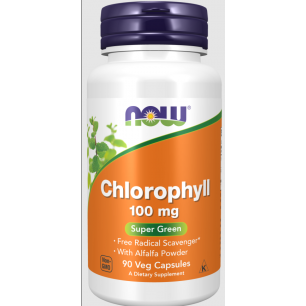
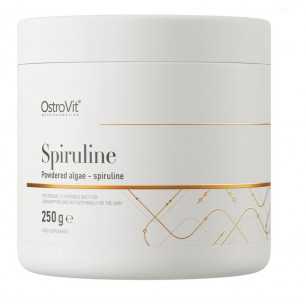
Lecithin takes part in fat metabolism and is often chosen by those who monitor liver function and metabolism in general. Chlorella and spirulina are algae with a rich composition, often included in the diet for chlorophyll, plant protein and general body support; chlorella is also associated with gentle removal of heavy metals, although this is more of an additional supporting effect than the main reason for use. These three supplements are often bought together with fibre as part of an overall approach to diet, rather than as a separate solution to one problem.
Additional supplements for comfort after meals
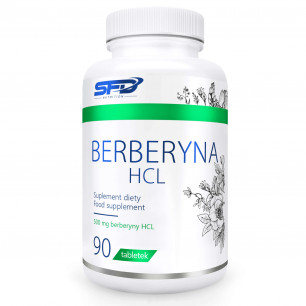
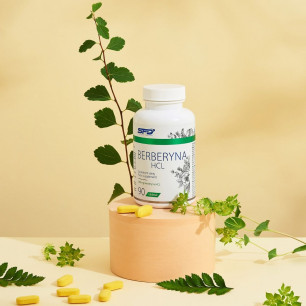
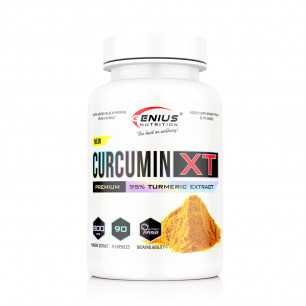
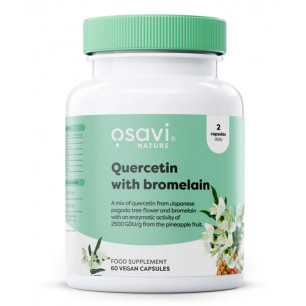
Betaine HCl with pepsin supports normal stomach acidity and helps digest protein foods. Bromelain and papain are enzymes from pineapple and papaya that are traditionally used to ease heaviness after eating. Activated charcoal is a simple and familiar option for occasional use during abdominal discomfort. Turmeric and berberine are more often considered in the context of general digestive and metabolic support, rather than as a quick solution for a specific symptom.
How to choose and how to take
Start with one supplement for a specific situation, not with a whole set at once: this makes it easier to understand what actually works. Powders such as inulin or psyllium should be taken with enough water, otherwise fibre can have the opposite effect - bloating instead of relief. Probiotics are best taken in courses according to the instructions on the packaging, not as a one-off. Chitosan and other supplements that affect fat absorption should be taken separately from meals, according to the scheme stated on the label. If abdominal discomfort repeats regularly, is accompanied by pain, weight changes or lasts longer than a few weeks, this is a reason to see a doctor rather than choose supplements on your own.
How should slippery elm be taken?
Slippery elm capsules are taken with a full glass of water, usually before meals. Because slippery elm can coat and slow absorption, it should be taken separately from medicines and other supplements, with a gap of one to two hours.
What is inulin for?
Inulin is a dietary fibre that feeds beneficial gut bacteria and supports more regular bowel movements. It can be added to drinks, yoghurt or porridge, starting with a small serving so the intestines can get used to the fibre.
What is lecithin good for?
Lecithin takes part in fat metabolism and is also a component of cell membranes. It is often chosen as a supplement for general liver and digestive support as part of a broader approach.
Can probiotics and enzymes be taken together?
Yes, this is a common combination: probiotics support the gut microbiome, while enzymes help break down food during digestion. Many complex products already combine both components.
What should I do about bloating after meals?
Regular bloating is often connected with diet, eating speed or a lack of enzymes and probiotics. In addition to reviewing your diet and meal routine, you can consider digestive enzymes and probiotics, and with frequent or strong symptoms, consult a doctor to find the cause.
How long should digestive supplements be taken?
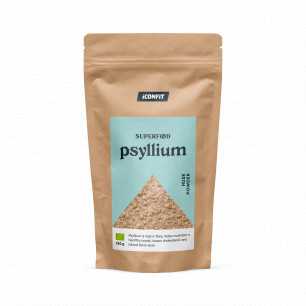
Probiotics and fibre are usually taken in courses from several weeks to a couple of months, assessing the result by how you feel. Enzymes and individual supplements such as bromelain are more often used situationally, together with food, rather than continuously.